

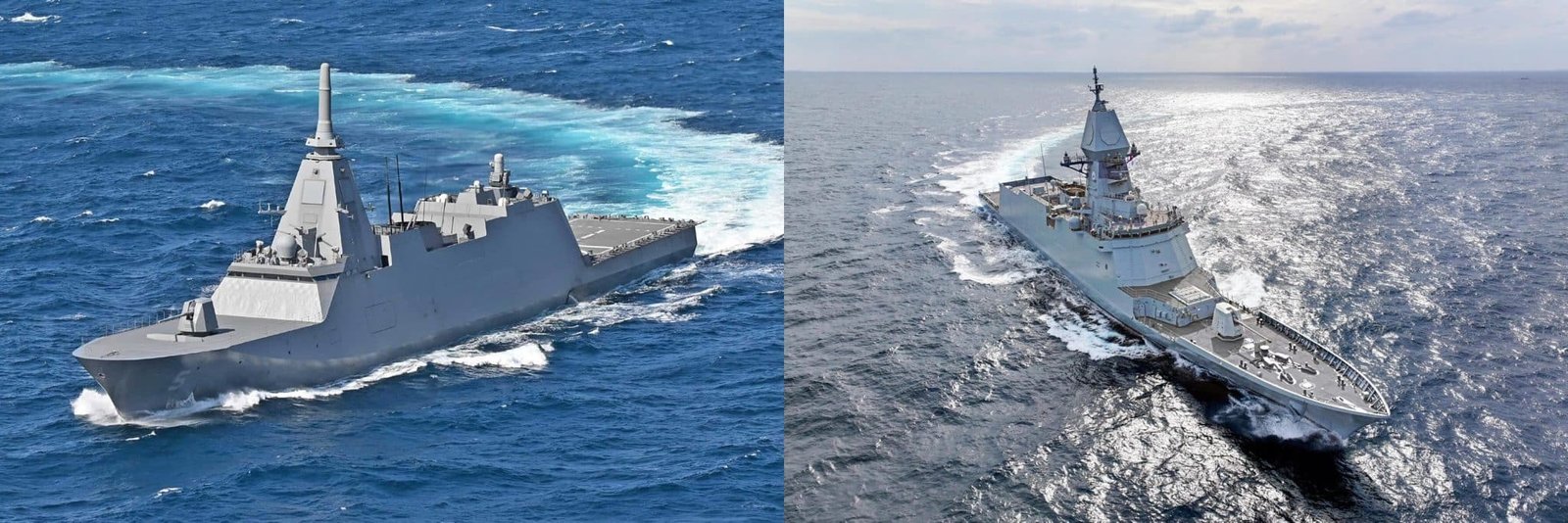
A new White House Presidential Memorandum invites international shipbuilders to compete for a U.S. Navy convoy escort under the “Finland Model.”
In a dramatic policy shift aimed at overriding domestic industrial bottlenecks and accelerating fleet expansion, the White House has issued a sweeping Presidential Memorandum opening the door for allied international shipbuilders to design and construct surface combatants for the U.S. Navy.
The executive action, titled “Rebuilding the United States Navy and America’s Shipbuilding Industrial Base,” takes aim at severe backlogs, budget overruns, and capacity constraints across major American defense shipbuilding programs. To overcome these hurdles, the administration is establishing an international procurement path to fast-track modern warships into service.
The “Finland Model” for U.S. Surface Combatants
Central to the directive is the expansion of the so-called “Finland Model”—a framework pioneered during joint U.S.-Finnish icebreaker procurement programs. Under this approach, international shipyards are permitted to manufacture the initial vessels in a class overseas to rapidly deliver hull capacity. In exchange, foreign contractors must invest directly in the U.S. defense industrial base by acquiring majority stakes or establishing new shipbuilders stateside, transferring proprietary technologies, and shifting all follow-on construction to American soil.
The memorandum directs the Secretary of War, in consultation with the Secretary of the Navy, to deliver a comprehensive plan within 90 days for a new competitive acquisition program targeting light surface combatants.
The order specifically mandates an international competition for a multi-mission platform optimized for:
- Anti-Submarine Warfare (ASW)
- Anti-Surface Warfare (ASuW)
- Convoy Escort Duties
By leveraging established, parent-design warships already produced by allied nations, the U.S. government seeks to bypass lengthy domestic development cycles. Crucially, the memorandum prohibits naval authorities from imposing iterative custom design alterations on chosen platforms—a habit blamed for past procurement delays—without explicit executive oversight.
FINLAND MODEL PROCUREMENT PIPELINE
[ International Yard ] ──► Initial Builds (Vessels 1 & 2) ──► Rapid Fleet Entry
│
▼ (Tech Transfer & Capital Investment)
│
[ Domestic U.S. Yard ] ──► Mass Production (Vessels 3+) ──► U.S. Fleet Expansion
Overseas Options for Logistics and Sealift
The framework goes beyond surface combatants. The White House directive instructs maritime officials to apply the same international acquisition model to strategic auxiliary platforms, including Consolidated Cargo Replenishment at Sea (CONSOL) tankers and Roll-On/Roll-Off (Ro-Ro) military sealift vessels.
For global defense suppliers across Europe and Asia, the 90-day countdown creates an unprecedented window of opportunity. Warship designs from allied nations—particularly proven frigates and corvette-sized escorts built in Europe and Asia—are expected to figure heavily in upcoming industry bids.
If implemented, the directive will mark the first time in modern history that frontline U.S. Navy surface combatants are built in foreign shipyards, representing a historic recalculation of how Washington balances domestic protectionism against urgent naval readiness.
