

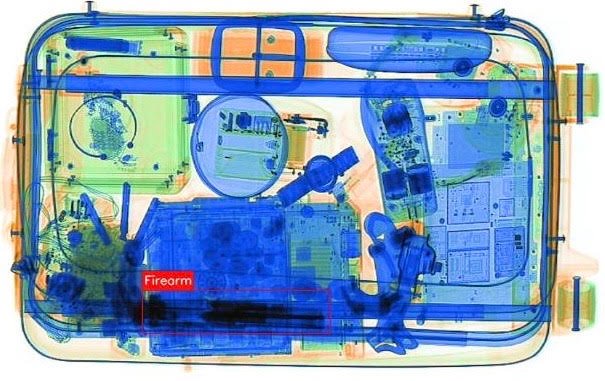
AI Enhances Existing X-Ray Equipment
The Israeli company NeuralGuard is enhancing existing X-ray systems used for security screening with artificial intelligence. The technology is designed to automatically detect threats in X-ray images, standardize image analysis, and at the same time increase throughput at security checkpoints. According to the company, the system is already being used at airports and security facilities in Israel and the United States.
At security checkpoints, X-ray images have traditionally relied heavily on human interpretation. According to NeuralGuard, fatigue, distraction, varying levels of experience, and inconsistent training among operators can affect the results.
The Israeli company has therefore developed an AI-based solution designed to complement existing X-ray equipment. The software automatically analyzes the images produced by the systems and is intended to provide more consistent and repeatable assessments.
“We add automated, AI-based threat detection to existing X-ray equipment,” said Raviv Pavel, CTO and co-founder of NeuralGuard, in an interview with Autonomy Global. Screening processes are connected through the Neural Screening Platform for centralized management, analysis, remote monitoring, and automation.
Up to 300 Percent Higher Throughput
According to NeuralGuard, existing customers have reported a 90 percent reduction in screening errors. At the same time, throughput at security checkpoints has reportedly increased by up to 300 percent. These figures come from statements made by the company or feedback from its customers and should therefore not be regarded as independently verified performance figures.
The centralized management system is also intended to give security managers a better overview and greater control over operations at different screening locations.
Use at Airports and Other Security Facilities
According to NeuralGuard, the technology is vendor-independent and can be used with X-ray systems from different manufacturers. This allows the AI to complement existing security technology without requiring the X-ray machines themselves to be completely replaced. These include Israel’s Ben Gurion and Ramon airports. In the United States, the technology is reportedly being used for personnel screening at airports including Denver, Orlando, Portland, and Oakland.
In addition, NeuralGuard says its technology is being used at more than 100 security checkpoints in Washington, D.C., including the Capitol complex. Other installations are reportedly located at U.S. law-enforcement and judicial facilities.
Analysis in Fractions of a Second
The AI is designed to analyze complex X-ray images within a very short period of time. According to experts, processing times are often below 0.2 seconds.
Another key feature is the automatic classification of objects. Combined with the analysis of multi-energy data, the technology is designed to distinguish harmless items such as electronic devices and toiletries from potential threats.
The goal is to reduce the number of false alarms while simultaneously speeding up the screening process. Particularly at busy checkpoints, faster image analysis could help reduce waiting times for passengers.
The technology therefore shifts part of the analysis from human operators to automated image processing. Its actual benefits, however, continue to depend on the X-ray systems being used, the specific screening procedures, and the AI’s performance across different types of image data.
Author: Arie Egozi, Israel Correspondent
Click here to read the latest issue of ESD.
