

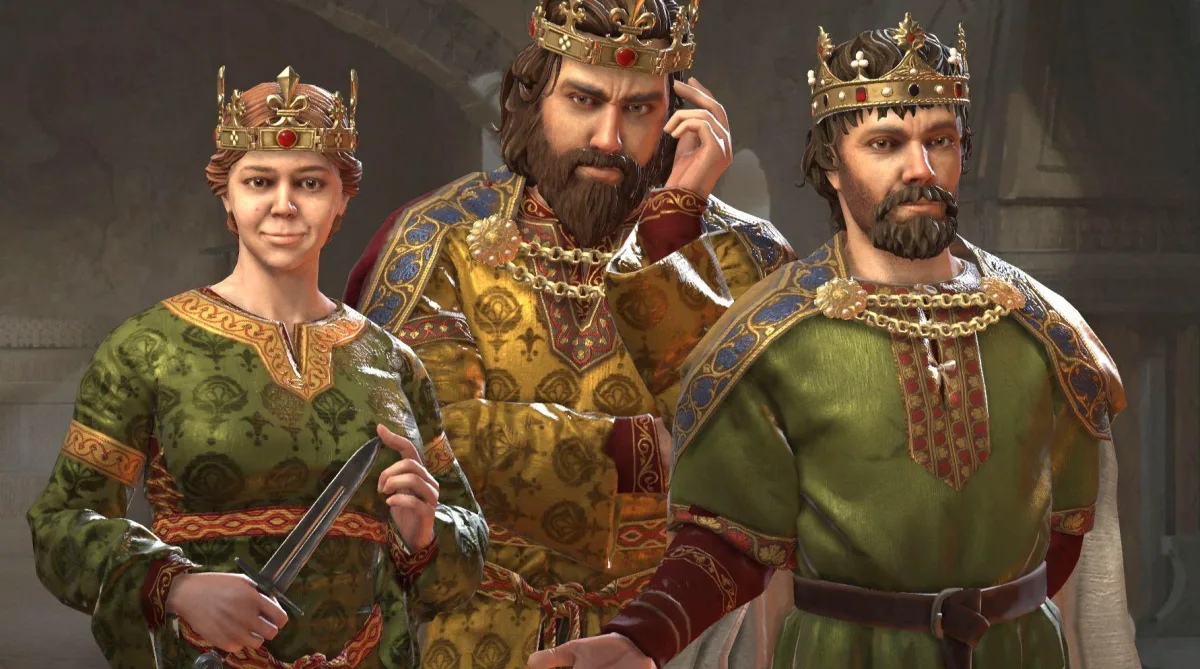
You conquer a duchy, survive a rebellion, and finally get the treasury looking respectable. Then your ruler dies. Your brother takes half the family property, your strongest ally stops answering, and a duke you barely remember announces that someone else should wear the crown. Congratulations on your inheritance. It comes with an argument.
For a new Crusader Kings III player, succession can feel like the game just confiscated hours of progress. You were building something, and now you’re cleaning up a family dispute with soldiers. It’s tempting to treat the whole thing as an obstacle to get past so the real strategy can start again.
Don’t. Succession decides what most of your work is worth. A conquest that looks brilliant today can leave your heir weaker tomorrow, and one small investment in the right county can outlast three wars. Whether you’ve thought about it or not, you’re setting up someone else’s opening position.
Start by opening the succession panel while your ruler is healthy. Waiting for the death notification turns planning into damage assessment. Check who your player heir is, which titles they get, and which go elsewhere, then check again after a birth, a death, a big conquest, or a new title (yesterday’s sensible arrangement can quietly turn into tomorrow’s disaster).
This guide covers a landed hereditary ruler on a partition law, which is the usual early-game setup. CK3 has governments and succession systems that work differently, so your own succession panel and title laws settle any doubt. The familiar problem is that several eligible children get a share of your titles. Your main heir carries on the campaign, but the others aren’t politely waiting for permission to own things.
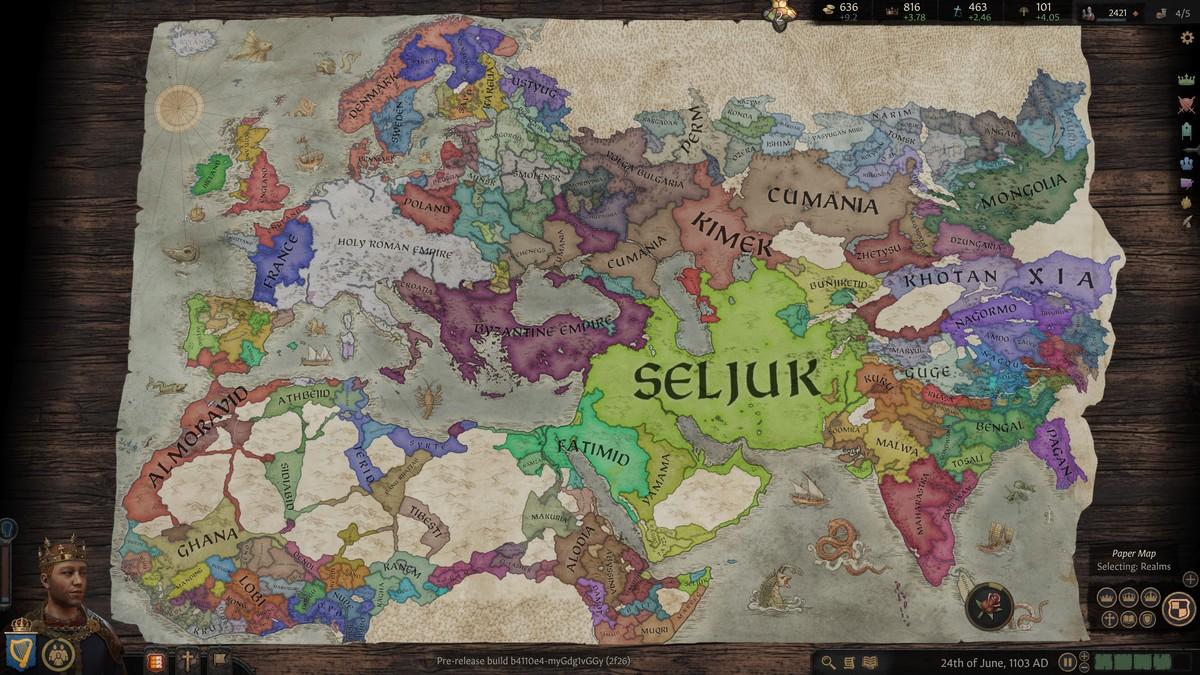
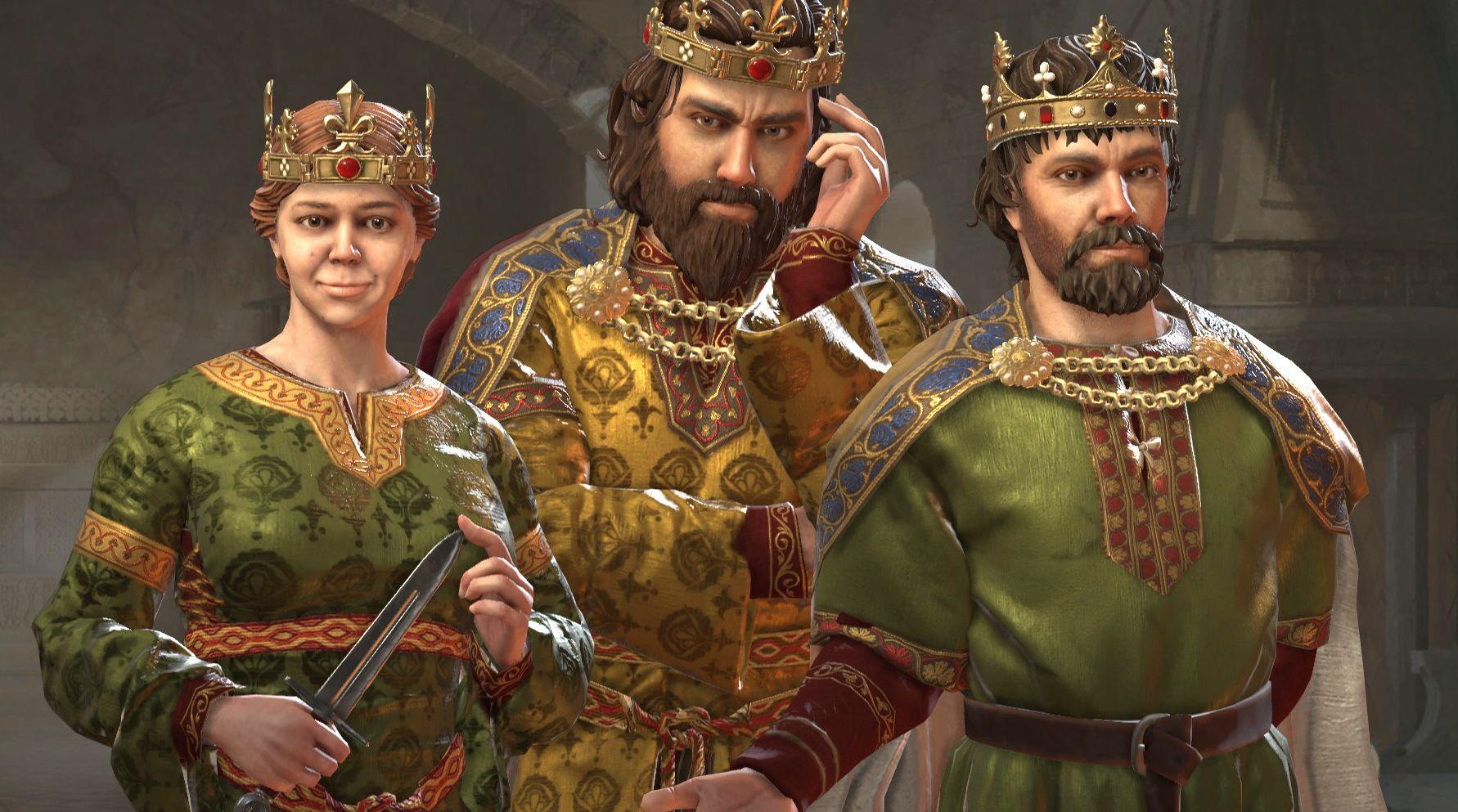
The distinction that matters is losing personal holdings versus having the realm itself split. If you’re a king and a younger child inherits a duchy under your kingdom, you can stay their liege. You’ve lost direct ownership, which hurts income and troops, but the land can still belong to your realm. If two children inherit separate kingdoms and neither is an emperor, that’s a much bigger problem. Equal rank leaves no room for one king to be the other’s vassal.
Confederate Partition adds a wrinkle, since it can create titles for younger heirs when the conditions are met. So leaving a second kingdom uncreated isn’t a dependable way to stop a split. Ordinary Partition doesn’t create those extra titles on succession, though titles you already hold can still be divided. Before the next war, ask whether the land you’re taking changes the inheritance. Sometimes the border you cross matters less than the title threshold you cross.
None of this means you should stop expanding the moment the family gets complicated. Expansion just needs a purpose. Are you taking land to strengthen the heir, to give another child a share, or to reach a higher title that can hold the realm together? Those are different plans. “The neighbor looked weak” is an opportunity, not a succession policy.
Say a king has two eligible sons. He can spend his last years chasing another crown or improving the holdings his primary heir will keep. The second crown might make a richer dynasty spread over two realms, or it might hand a newly crowned brother enough resources to become a dangerous rival. Neither outcome is automatically wrong. The mistake is buying one while expecting the other.
Personal holdings deserve special attention, because a big realm can hide a weak ruler. A king with a sprawl of vassals and a thin personal domain has impressive borders and not much freedom to act. Your heir needs income they can collect and troops they can count on while relationships are still unsettled. A crown doesn’t pay mercenaries just because it looks expensive.
Your capital is a sensible place to start thinking about lasting investment. Under the partition laws covered here, the player heir gets the realm capital. Still, look at where your other counties are expected to go instead of assuming a whole cluster stays together. Buildings stay attached to their holdings, so improving a county that goes to another heir strengthens that heir. That might be exactly what you want, just know whose future budget you’re funding.
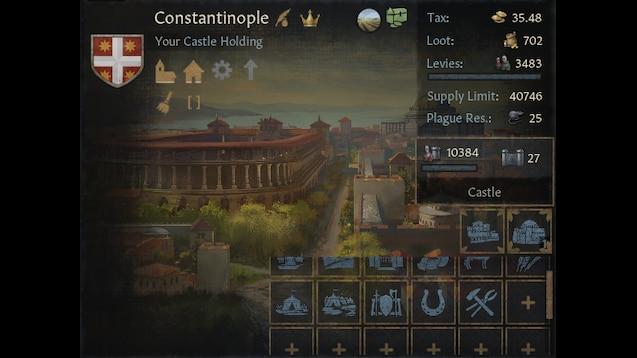
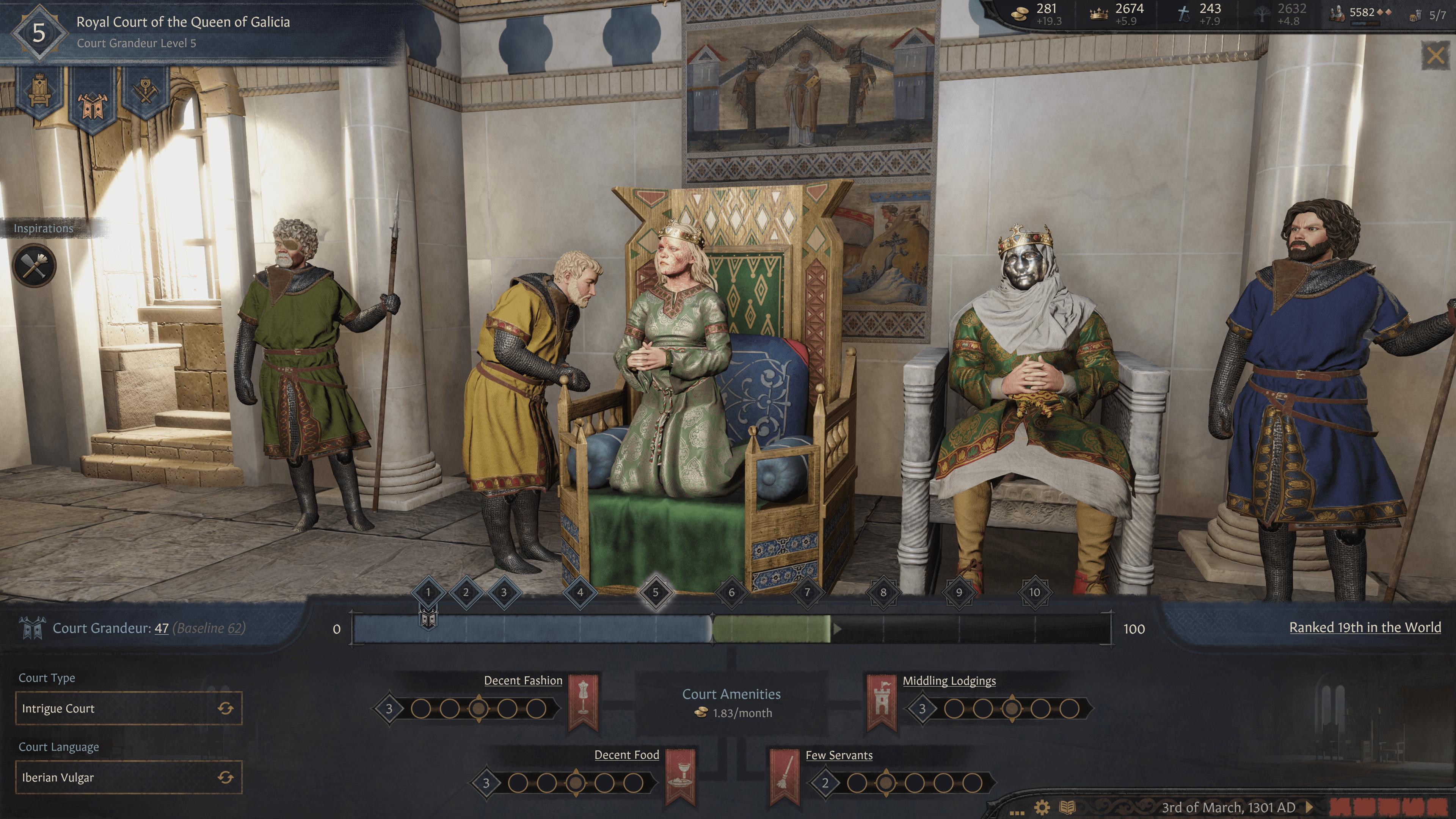
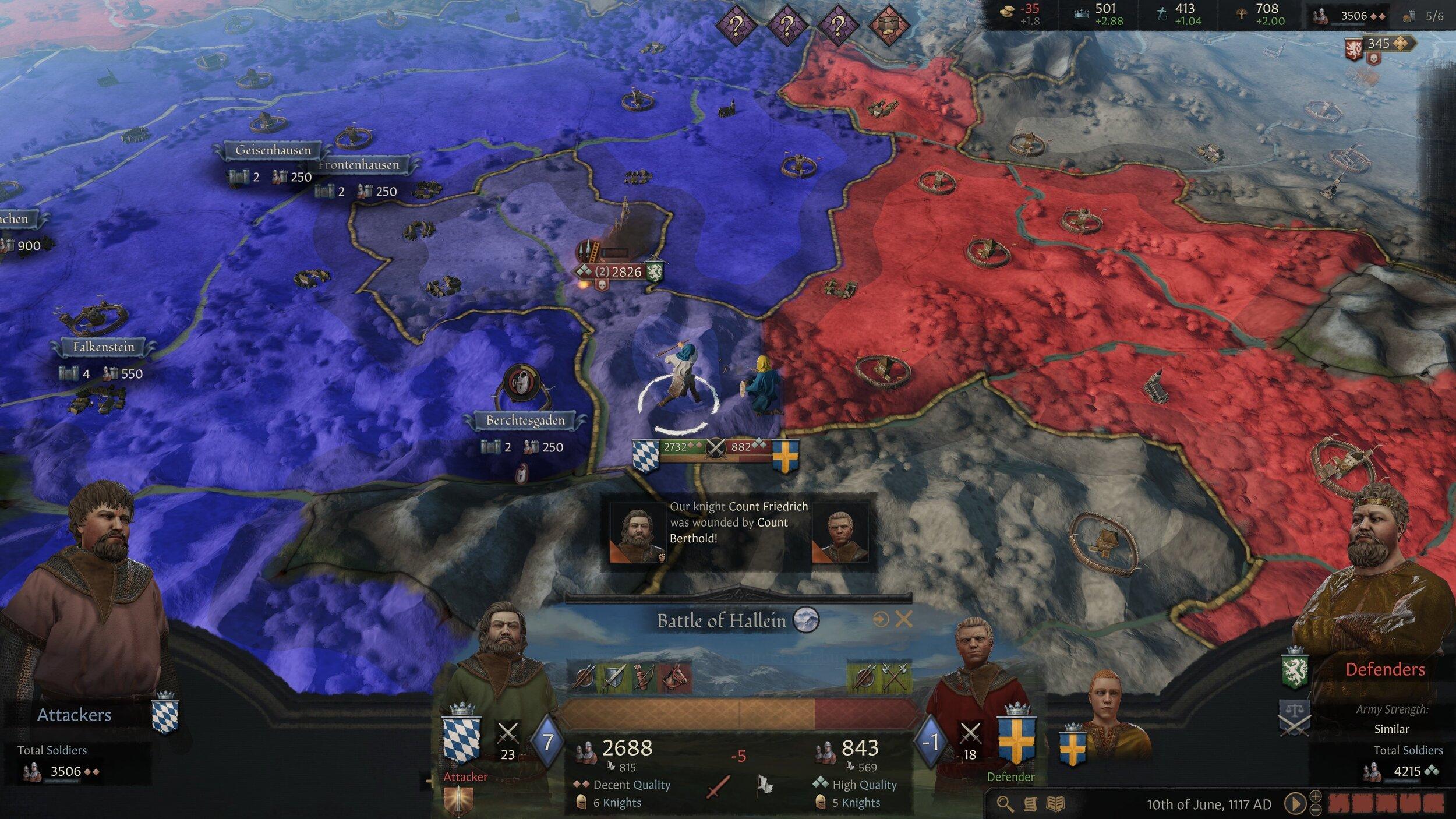
Money matters because it gives the new ruler choices. A treasury reserve can fund an emergency, win someone over, or keep the army going while income settles. Spend everything on one last improvement and you may leave a handsome castle and a ruler who can’t afford the crisis outside it. There’s no universal savings target. You just need enough breathing room for the problems your heir is likely to face.
Check your diplomacy too. Don’t assume your ruler’s alliances belong to their successor. Look at which family relationships could support alliances for the heir, and expect to rebuild some arrangements after the transition. An ally who helped the father conquer a kingdom may have little reason to help the child keep it.
The heir matters as a person too. Skills, traits, marriage, and existing relationships can change the opening years of the next reign, and a realm held together by an unusually capable ruler can be a bad fit for a successor with different strengths. Think about what you’re asking the heir to manage. If the answer is three wars, angry vassals, and an empty treasury, a better childhood education probably won’t fix the handover.
There are ways to manipulate succession, like granting titles in advance, changing laws when available, and removing particular people from eligibility through whatever options your circumstances allow. Each one deserves a closer look before you use it. Disinheritance carries costs and conditions, so it shouldn’t become a button you press whenever the family grows. And a beginner’s plan shouldn’t depend on reaching a succession law they can’t enact for generations.
You can also accept a division and prepare for what follows. A sibling’s realm might become an ally, a rival, or a later inheritance opportunity, and the dynasty can do fine even when your personal map shrinks. CK3 leaves room for that kind of campaign. If you want uninterrupted territorial consolidation, plan for that. If you’re enjoying a sprawling family story, some fragmentation may give you better material than another perfectly controlled century.
Right after succession, resist the urge to prove yourself with a new conquest. Stop and look at what you actually inherited: domain limit, finances, army, council, alliances, and factions. Fix the immediate weaknesses before adding obligations. The old ruler’s winning war plan can be a terrible opening move for someone who just lost half their direct holdings.
A handover check fits in three questions: Who inherits? What splits? What will the heir need right away? Answer them before your next big commitment and succession becomes something you can work with. Your current ruler still gets to be ambitious, reckless, generous, or vindictive. But when the crown passes, you’ll have given the next character a shot at something more interesting than twenty years of repairing your farewell present.

Semi-retired game designer and developer trying to use my experience to enhance the strategy and strategy adjacent gaming sector. Strategy game player for over 35 years. Game development experience in AAA, Indie, and Board.
