

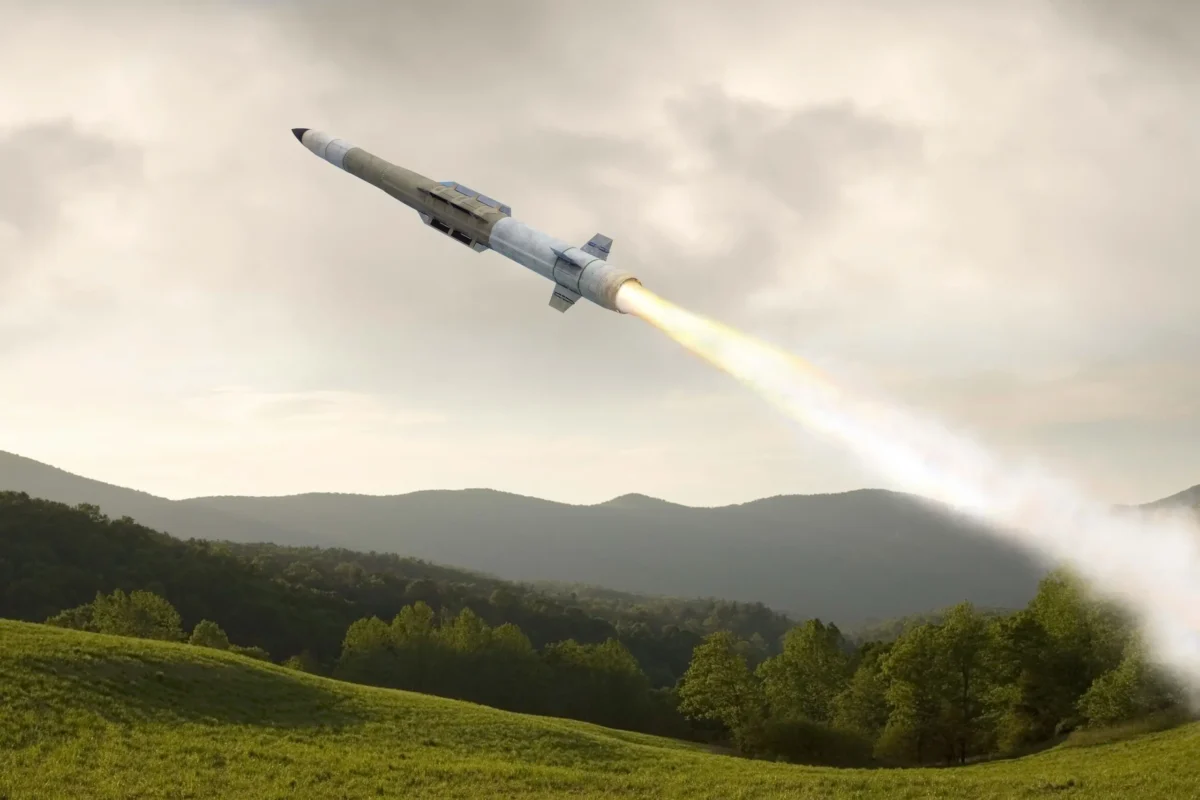
Defense Feeds, Washington, D.C. – The U.S. Army awards $53.9B PAC-3 MSE missile production contract, reinforcing long-term efforts to expand interceptor manufacturing for the Patriot air and missile defense system.
Awarded to Lockheed Martin, the contract supports sustained production of the PAC-3 Missile Segment Enhancement (MSE) interceptor, a key component of the United States’ layered air and missile defense architecture.
The agreement reflects continued investment in increasing industrial production capacity as demand for advanced air defense interceptors grows among the United States and its international partners.
U.S. Army Awards $53.9B PAC-3 MSE Missile Production Contract
The decision through which the U.S. Army awards $53.9B PAC-3 MSE missile production contract provides Lockheed Martin with a long-term production framework for manufacturing PAC-3 MSE interceptors. Designed to engage tactical ballistic missiles, cruise missiles, aircraft and other advanced aerial threats, the PAC-3 MSE represents the latest evolution of the Patriot interceptor family.
Compared with earlier Patriot interceptors, the PAC-3 MSE incorporates a more powerful rocket motor, larger control surfaces and enhanced maneuverability, enabling improved performance against increasingly complex airborne threats. Its hit-to-kill engagement method relies on direct impact rather than fragmentation, increasing effectiveness against high-speed targets.
The contract supports not only continued deliveries for the U.S. Army but also future requirements from allied nations operating Patriot systems through Foreign Military Sales and other defense cooperation programs.

Expanding Production to Meet Growing Demand
The scale of the contract highlights the growing importance of industrial capacity in modern defense planning. Over the past several years, demand for advanced interceptor missiles has increased as many countries strengthen their integrated air and missile defense capabilities in response to evolving regional security challenges.
Rather than focusing solely on developing new technologies, defense organizations are also investing heavily in expanding production lines, strengthening supply chains and improving manufacturing efficiency. Increasing output ensures that interceptor inventories can support both operational readiness and long-term sustainment requirements.
For Lockheed Martin, the agreement provides production stability that can support workforce planning, supplier investment and continued modernization of manufacturing facilities.
Patriot Remains a Core Layered Air Defense System
The PAC-3 MSE continues to play a central role within the Patriot air defense system, which remains one of the most widely deployed integrated air and missile defense platforms among NATO members and allied nations. Its ability to engage multiple categories of aerial threats allows it to contribute to layered defensive architectures alongside short-range systems and higher-tier missile defense assets.
Continued production of the interceptor also supports interoperability among Patriot operators, enabling partner nations to maintain common missile inventories, training standards and sustainment practices. This shared capability simplifies multinational operations while strengthening collective air defense readiness.
As aerial threats continue to evolve, maintaining sufficient interceptor stockpiles has become as strategically important as developing new defensive technologies.
Long-Term Contracts Strengthen Defense Industrial Capacity
The award also demonstrates a broader shift toward long-term procurement strategies designed to provide industry with predictable production demand. Multi-year agreements enable manufacturers to invest in infrastructure, expand supplier networks and improve manufacturing efficiency while reducing production disruptions.
From a strategic perspective, increasing interceptor production contributes to the resilience of the defense industrial base, ensuring that future operational requirements can be supported without relying on emergency production surges. It also provides allied customers with greater confidence in the long-term availability of critical air defense systems.
The fact that the U.S. Army awards $53.9B PAC-3 MSE missile production contract illustrates the growing emphasis on strengthening both military capability and industrial readiness.
As demand for integrated air and missile defense continues to expand worldwide, sustained production of proven interceptors such as the PAC-3 MSE will remain a critical element of U.S. and allied defense planning for years to come.
