

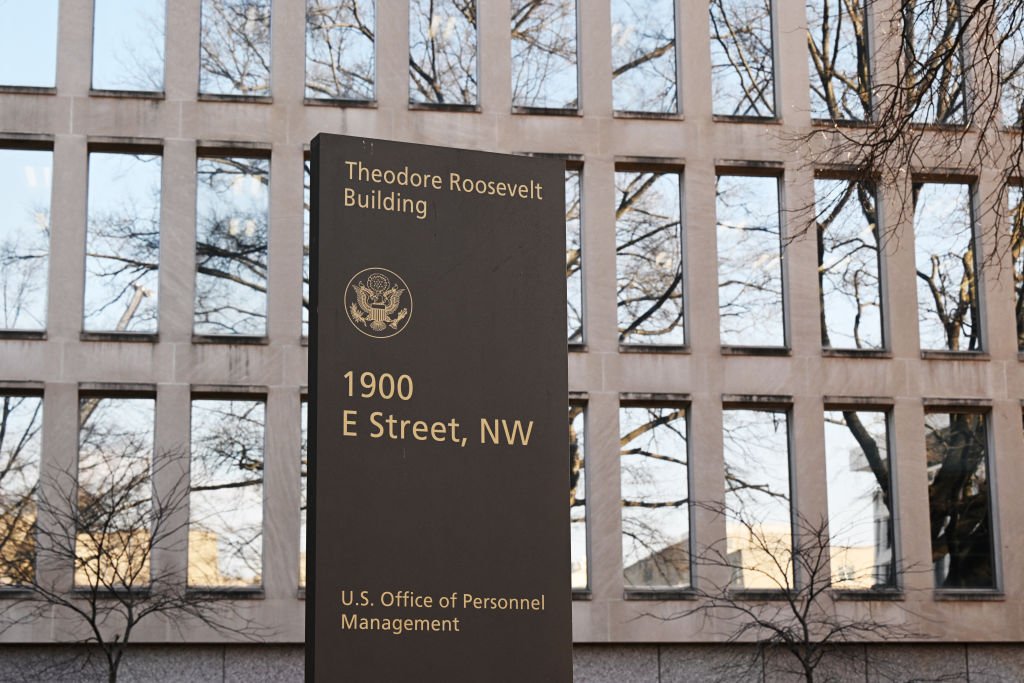
Terry Gerton We’ve got a couple of things to talk about. The first is a new request from OPM for medical claims data. They’re looking for detailed medical and pharmacy claims data from FEHB and postal service health insurers. What is this all about?
John Hatton This was a recent notice came in December. They were requesting comments. It got a little bit more attention in the last couple of months. And this is something OPM has requested before, as far back as 2010 under the Obama administration. It had some pushback from the insurers, the plant carriers at the time. It has push back this time as well. They were closer to developing a system of de-identified claims data sharing a few years back, but it still hasn’t got there. So OPM. I believe, or the generous way of understanding this action is as an oversight agency looking to analyze this claims data to help drive policies that are going to improve health outcomes or reduce costs. But their notice was very short on details. It didn’t explain why they needed the data, how they were going to use it, if they were asking for personally identified data or personally de-identified data. How they’re gonna receive that data if it was in a de-identified form, how they gonna secure the data so it is not stolen by a nefarious actor. We’ve seen data breaches in the past with OPM. And I think OPM itself is, yes, it’s an oversight agency of these health insurance programs and I think like CMS has an interest in potentially having some claims data in the right form, but it’s also part of the federal government and is therefore the employer of millions of federal employees. And what we see in the private sector is HIPAA tries to protect employers from having data on their employees. And I think it’s very understandable that federal employees wouldn’t want their employer having access to this. Are they going to — you always have to think about the worst case scenarios of data — could you retaliate for employees? Do you wanna fire employees that cost more to cover because the health insurance costs are higher for them? And so you really do want that firewall in place so that the employer cannot use the data in the wrong way and I’m not saying there’s any plans to do that or that’s the result behind this, but I think you always want to have those protections in place, so you have security about your health and the privacy of that data.
Terry Gerton Do you see a signal here about how OPM might be trying to manage the health benefits program differently going forward?
John Hatton I think it’s hard to say, but you know, they always come up with a call letter that asks for changes in policy coverage of certain things. You know, what they might incentivize insurers to do in terms of how they’re covering procedures or medications. Does one type of thing have a better outcome than another? You know, seeing longitudinal data from, you can have de-identified data but you can track how one person’s healthcare impacts them over time and how some of these things work. So I think there’s legitimate interests that they could potentially use, but there’s also some nefarious or bad things that could be done with the data. So I think it’s about really making sure it’s done in the right way if they wanna do it. And I think their notice was very low on details, very low one the types of explanation of what they want to do positively and how they’re going to prevent the negative impacts.
Terry Gerton Is there anything that folks who are currently enrolled in FEHB need to do differently at this point to protect their data?
John Hatton No, I mean, their data is going to be with their health insurance carrier. So right now, you know, there’s the same potential security risk, but they have, you know, health insurance carriers that have, are trying to protect their data as best as possible, knowing there’s always cyber security risks, but, you know, making it known to your members of Congress that this is a concern for you and that this should be done the right way, I think is one thing you could do.
Terry Gerton I’m speaking with John Hatton. He’s staff vice president of the National Association of Active and Retired Federal Employees. John, let’s switch to another group of federal employees, postal workers. The U.S. Postal Service has announced it will temporarily suspend its employer contributions to the FERS pension fund. And they made that announcement a couple of weeks ago based on testimony to Congress. So what’s going on here?
John Hatton Well, USPS has another cash crunch, and we can get into why that may be, but they’ve decided, in our view, prematurely to suspend these contributions. The law requires them to make these employer contributions into the fund. They’re still taking money out of employees’ paychecks and sending it into the funds. So they, in our review, they should send their employer contributions as well. It’s not a near term risk that anybody is not going to get paid. But this is the funding mechanism that ensures that there is budget authority and funding to provide these benefits down the road for both federal and postal retirees. So you stop putting money in and eventually at some point in the future, there’s not gonna be money there to go out. And in our mind, it’s a really bad precedent to set to do this. And it’s really Congress’ role to change the law, not the Postal Service’s role to decide not to follow it.
Terry Gerton When the postmaster general testified before Congress, he heard back from some members that there were going to be no more bailouts for the Postal Service. So what does that mean for folks who are currently affected by this delay in payments? Might those payments never catch up?
John Hatton Well, if there’s no resolution in the Postal Service’s financial situation and they never start to repay back this money, there is going to be an unfunded liability in the fund. I don’t think that’s going to get there. I think, you know, what does a bailout mean is really up to interpretation. I think what we see with the Postal Service is that the value, it’s designed to, it’s directed to provide a universal service mandate, six days of delivery. Each day a week to pretty much every address in the country. That’s costly. Now it’s supposed to be able to pay for that through rate payers and with a monopoly on service for first-class mail. The value of that monopoly has greatly reduced. So the cost of the universal service obligation are greater than the value of the monopoly. And so that kind of design of how this works out to be to provide that without any taxpayer additional assistance makes it more difficult. So, you know, you know that monopoly may be reducing because you have internet, you have declines in first class mail, you’ve got private sector competitors. And so it is it has been dealing with this trend in this financial kind of difficulty in terms of the the cost of benefits not balancing out for some time. Now, are there short term solutions to this that don’t really address that problem but they give us some breathing room and get at, you know, just improve the short-term financial situation? Yes, and I think Congress is looking at those as they did in the hearing. So one thing they could do is extend or increase the borrowing limit that the Postal Service has. It’s not been increased since 1990, so most private sector companies would be able to go out and borrow more to finance their operations rather than have some artificial legal limit. Can they look at investing some of these funds in their retirement plans somewhat differently or at least to start in a Postal Service Health Benefits Fund to reduce their obligations for past liabilities? The Postal service wants to have some congressional decision that they’re paying too much for old CSRS liabilities that are related to their obligations when it used to be the Postal Department. And there’s these amortization payments for that. Now that’s really a decision of who pays the postal service, rate payers or taxpayers in our view, as long as it’s being paid into the funds. We don’t really care if the postal service is paying those amortization payments or if the treasury is, but that’s a decision for Congress to make as well. So there’s things they can do in the near term to resolve the situation, but I think there’s a longer term issue regarding that balance between the value of the monopoly. And the cost of the universal service obligation.
Terry Gerton And is this affecting pension payments to those who are already retired?
John Hatton No, it’s not. The Civil Service Retirement Disability Trust Fund covers all federal and postal retirees and their survivors, and it has more than a trillion dollars in the fund. To the extent there’s unfunded liabilities in the CSRS portion of it, because agencies didn’t pay the full kind of dynamic normal cost, that’s paid through amortization payments from treasury. The first system is designed to be financed to that dynamic normal cost. That just means accounting for things like cost limit adjustments and raises over careers and things like that. So every year there’s a different contribution level set that’s designed to make sure that’s fully funded. So as long as everybody’s paying in that specific dynamic normal costs will be fine. Now, if the postal service decides to stop doing that, then we start to have an issue. But again, That’s a long way off when the fund has more than a trillion dollars.
Copyright
© 2026 Federal News Network. All rights reserved. This website is not intended for users located within the European Economic Area.
