

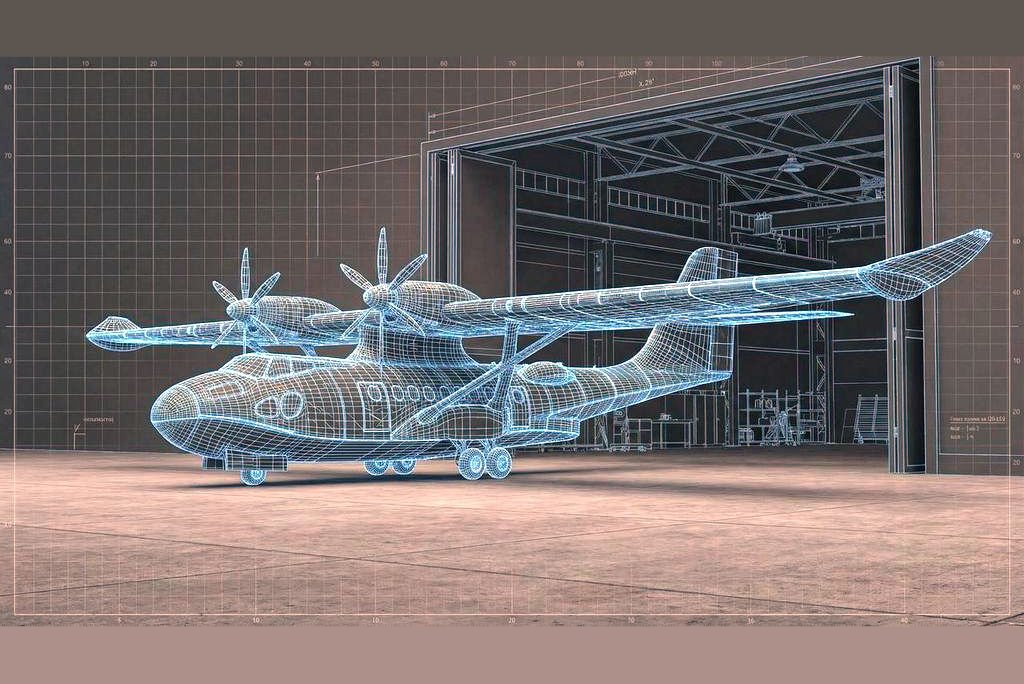
Vero Beach, Fl, April 29, 2026 – Catalina Aircraft Company has established U.S. operations in Vero Beach, Florida, to design and develop the Catalina SPAR™, a modern clean sheet FAA Part 25 transport category amphibious aircraft platform built for global operators working across coastal, island, maritime, and infrastructure-limited environments.
The Catalina SPAR is being developed to operate from both land and water, supporting missions that include aerial firefighting, maritime patrol, search and rescue, humanitarian assistance, disaster response, and commercial transport. The platform is designed to address a growing global need for aircraft that can reach areas where runways, ports, roads, and other traditional infrastructure are limited, damaged, or unavailable.
“The Catalina name represents one of the most capable amphibious aircraft ever built,” said Benjamin Folger, CEO of Catalina Aircraft Company. “We are carrying that legacy forward with a modern platform designed for today’s missions, and for the operators around the world who need access, flexibility, and reliability in environments where conventional aircraft cannot perform.”
Across the world, governments, commercial operators, and emergency-response organizations are facing more complex access challenges. Coastal communities, island nations, remote regions, disaster-affected areas, and maritime operating zones require aviation platforms that can move people, supplies, equipment, and mission systems without depending on traditional airfield infrastructure.
The Catalina SPAR is designed as a multi-mission system rather than a single-purpose aircraft. A platform configured for aerial firefighting can be repositioned for transport, patrol, humanitarian support, or search and rescue during off-season periods, reducing the need for multiple specialized fleets. This adaptability is central to Catalina Aircraft Company’s approach to serving civil, commercial, and government operators worldwide.
Unlike earlier efforts centered on restoring or reproducing World War II-era aircraft, Catalina Aircraft Company is designing a modern clean sheet aircraft informed by proven amphibious design principles and engineered to FAA’s certification framework. The Catalina SPAR will combine the operational reach associated with amphibious aviation with modern manufacturing, avionics and communication systems, modern performance standards, and mission flexibility for current global requirements.
The Catalina name carries deep significance in aviation history. The original Catalina PBY flying boats played a critical role in World War II, supporting long-range patrol, search and rescue, anti-submarine operations, and transport missions across multiple theaters. Known for their range, versatility, and reliability, they became the most widely used amphibious aircraft of their time, with some still flying today.
Catalina Aircraft Company builds on that legacy while looking ahead to the next generation of amphibious aviation. The company sees the Catalina SPAR as a platform for operators who need to bridge land, water, and remote operating environments with a single aircraft designed for multiple mission profiles.
Vero Beach, Florida provides a strategic base for the company’s U.S. operations. The region has a long-standing aviation history, including service as a U.S. Naval Air Station during World War II and later as a center for aircraft manufacturing and development. Catalina Aircraft Company’s presence in Florida reflects both that aviation heritage and the region’s connection to aerospace, maritime, and coastal markets with global reach.
Catalina Aircraft Company is engaging with partners, operators, industry leaders, and government stakeholders as it continues development of the Catalina SPAR platform and prepares for future phases of growth.
Image courtesy Catalina Aircraft Company
