

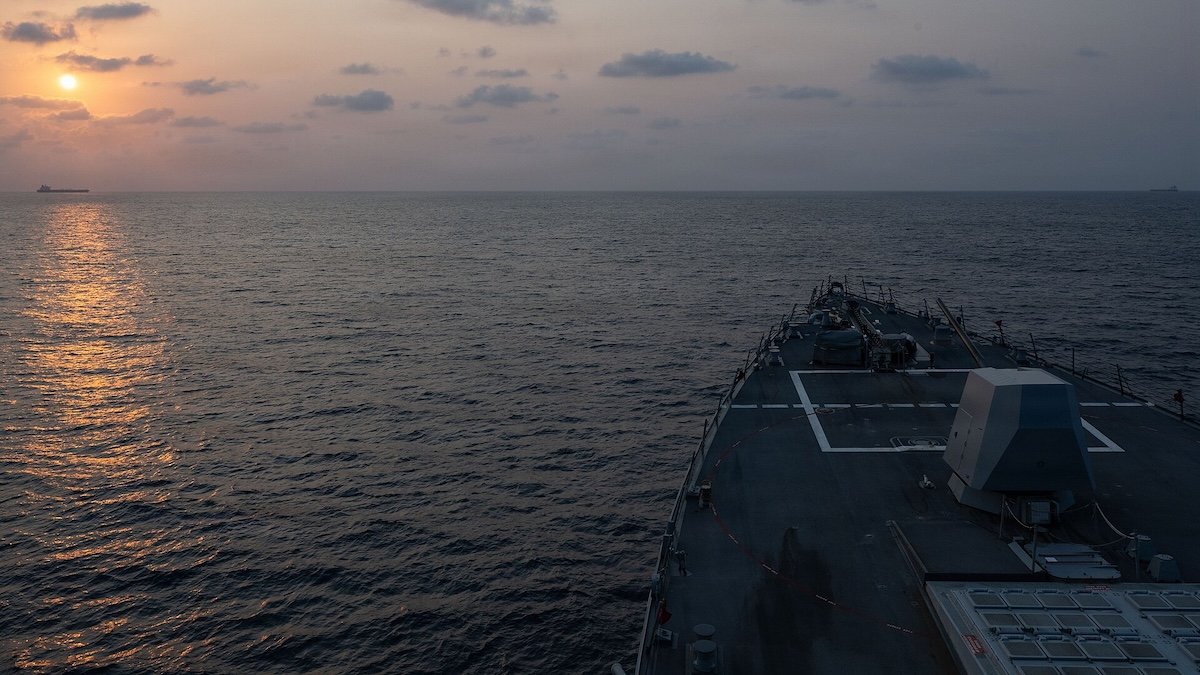
Welcome to The Adversarial. Every other week, we’ll provide you with expert analysis on America’s greatest challengers: China, Russia, Iran, North Korea, and jihadists. Read more below.***IranThree weeks since a ceasefire took effect, the United States and Iran have shifted from open hostilities to unsuccessful negotiations to economic brinksmanship. The Trump administration has been squeezing Tehran on two parallel fronts: A naval blockade physically subduing its maritime trade, complemented by increasing sanctions pressure against its oil and banking networks. The Iranian government was already in a weak financial position before the war, so additional sanctions as part of what the U.S. Treasury Department has dubbed “Economic Fury” puts the Iranian regime in a position of choosing to make concessions or watching the accelerated collapse of its economy.Tehran seems to be betting on its ability to withstand this latest iteration of maximum pressure, while its curtailment of traffic through the Strait of Hormuz raises the costs for the rest of the world. However, the economic pressure likely contributed to Iran’s proposal that it would allow the Strait of Hormuz to reopen if the United States ends the war and its naval blockade. However, the proposal would reportedly push talks about Iran’s nuclear program to a later time — which might be unacceptable to President Donald Trump, since ending Iran’s nuclear program was a key part of how he explained why the United States went to war. Trump also has expressed doubt that the Iranian leadership is sufficiently united and organized to successfully engage in negotiations, which he cited as a reason for unilaterally extending the ceasefire on April 21.M/V Blue Star III, a commercial ship suspected of violating the U.S. blockade of Iranian ports on April 28, 2026. Image: U.S. Central Command Public Affairs via Wikimedia CommonsRussiaRecent indicators point to growing pressure
Members-Only Content
This article is reserved for War on the Rocks members. Join our community to unlock exclusive insights and analysis.
Welcome to The Adversarial. Every other week, we’ll provide you with expert analysis on America’s greatest challengers: China, Russia, Iran, North Korea, and jihadists. Read more below.***IranThree weeks since a ceasefire took effect, the United States and Iran have shifted from open hostilities to unsuccessful negotiations to economic brinksmanship. The Trump administration has been squeezing Tehran on two parallel fronts: A naval blockade physically subduing its maritime trade, complemented by increasing sanctions pressure against its oil and banking networks. The Iranian government was already in a weak financial position before the war, so additional sanctions as part of what the U.S.
