

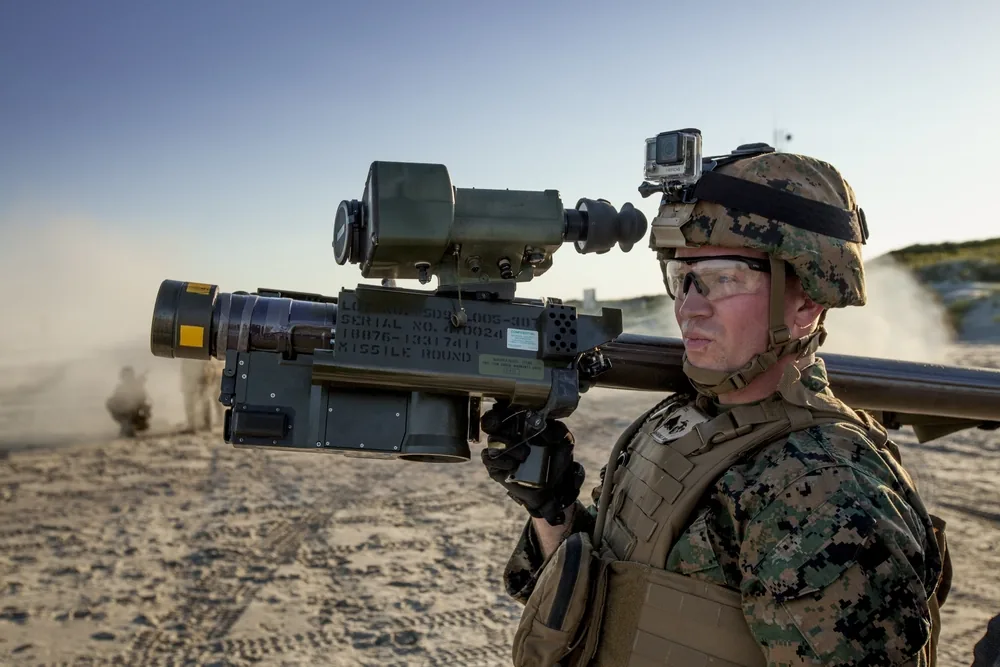
Defense Feeds, Brasília – The Brazil FIM-92K Stinger missile sale marks a significant step in the country’s efforts to strengthen its low-altitude air defense capabilities amid the growing threat posed by drones, helicopters and other airborne targets.
Approved by the United States government, the proposed acquisition would provide Brazil with one of the world’s most widely used man-portable air defense systems, improving the Brazilian Armed Forces’ ability to protect critical military assets and strategic infrastructure.
The potential sale includes FIM-92K Stinger Block I missiles, associated support equipment and training packages. The acquisition is expected to enhance Brazil’s ability to counter modern aerial threats while deepening defense cooperation between Brasília and Washington.
Brazil FIM-92K Stinger Missile Sale Addresses Evolving Air Threats
The approval comes as militaries around the world increasingly focus on defending against low-flying aerial threats. Recent conflicts have highlighted the effectiveness of drones, loitering munitions and attack helicopters in modern warfare, forcing armed forces to invest in layered air defense networks.
For Brazil, strengthening short-range air defense has become an important modernization priority. The country’s vast territory includes key military installations, energy infrastructure and strategic government facilities that require protection against emerging airborne threats.
The FIM-92K Stinger is a combat-proven missile system that has remained in service with numerous armed forces for decades. Continuous upgrades have allowed the system to remain relevant despite rapid advances in aviation technology and unmanned systems. The proposed acquisition would provide Brazil with an additional capability layer between larger air defense assets and conventional ground forces.
The sale also reflects Washington’s continued support for strengthening the defensive capabilities of regional partners. U.S. officials view enhanced air defense systems as an important component of military readiness, particularly as drone technology becomes increasingly accessible to both state and non-state actors.
Combat-Proven Missile System Offers Flexible Protection
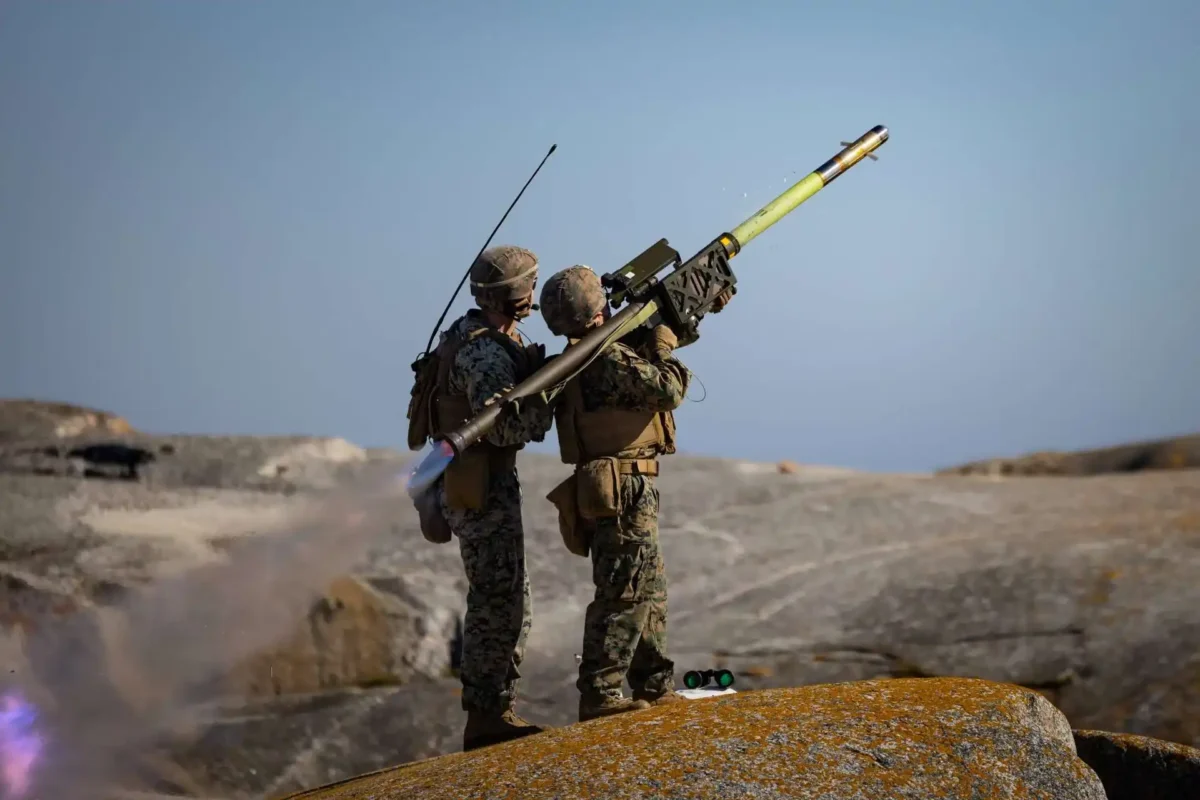
One of the key advantages of the Stinger system is its mobility. Unlike larger air defense platforms that require dedicated vehicles and extensive logistical support, the missile can be deployed rapidly by infantry units and air defense teams operating in diverse environments.
The FIM-92K variant incorporates modern guidance and tracking improvements that enhance its effectiveness against maneuvering targets. The missile is designed to engage helicopters, low-flying aircraft and certain categories of unmanned aerial systems operating within its engagement envelope.
Its relatively compact design allows forces to reposition quickly while maintaining protection for forward-deployed units. This flexibility has made the Stinger one of the most widely adopted short-range air defense systems among NATO members and allied nations.
The system’s battlefield reputation has been reinforced through decades of operational service. Military planners value its ability to provide immediate protection against airborne threats without requiring extensive infrastructure or complex command networks.
For Brazil, integrating the missile into existing defense structures could improve force protection capabilities during military operations, border security missions and critical infrastructure defense scenarios.
Strategic Importance for Brazilian Defense Modernization
The Brazil FIM-92K Stinger missile sale carries significance beyond the acquisition of a single weapon system. It represents part of a broader effort to modernize Brazil’s military capabilities and adapt to changing security requirements.
Across Latin America, armed forces are increasingly evaluating how emerging technologies such as drones and precision-guided weapons could alter future military operations. As these threats become more widespread, short-range air defense systems are regaining importance after years of limited investment in many regions.
The acquisition could also strengthen interoperability between Brazil and partner nations that already operate the Stinger missile. Common equipment often simplifies training, maintenance and potential cooperation during multinational exercises or joint operations.
From a strategic perspective, the sale demonstrates Brazil’s intention to maintain credible defensive capabilities while addressing vulnerabilities exposed by recent conflicts around the world. The widespread use of drones in Ukraine and the Middle East has shown that even relatively inexpensive aerial systems can pose serious challenges to military forces lacking adequate air defense coverage.
As Brazil continues its broader military modernization efforts, the addition of Stinger missiles would provide a valuable defensive capability against low-altitude threats. Combined with existing and future air defense assets, the system could help create a more resilient protective shield capable of responding to the increasingly complex aerial threats shaping modern battlefields.
