

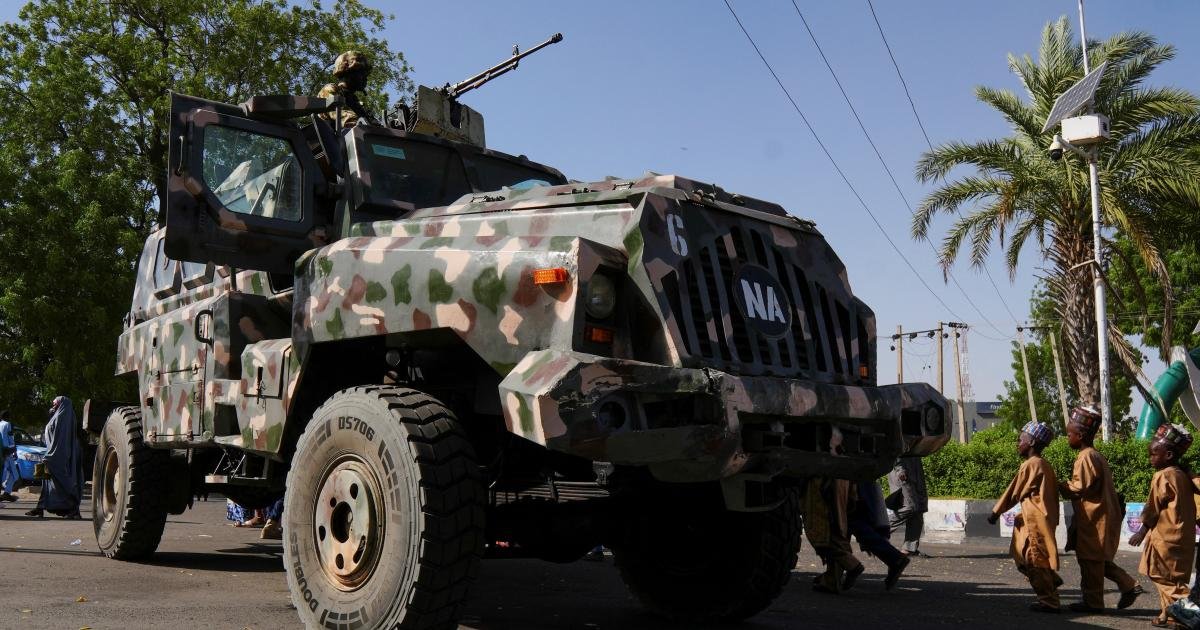
Nigeria’s security challenges are immense. According to one estimate, the country recorded nearly 12,000 conflict-related deaths in 2025—a toll exceeding the peak fatalities recorded during the height of the Boko Haram insurgency in 2014 (11,346 deaths) and more than those suffered in Iraq, Syria, and Yemen combined in 2025. An Afrobarometer survey published in August 2025 found that two out of three Nigerians say that the country is no safer today than it was five years ago.
Forms of insecurity, particularly kidnapping for ransom, are pervasive across the country, but armed violence is unfolding in four main theaters. In the northeast, two jihadi groups, Boko Haram and Islamic State West Africa Province, are 16 years into an insurgency that has gained momentum in recent months despite counterinsurgent operations by the Nigerian military. In the northwest and north-central regions, deadly criminal gangs (generally referred to as “bandits”) and, more recently, jihadi groups frequently raid villages, schools, and religious centers, killing people and abducting others to extort ransoms. In the north-central belt, disputes between herders and farmers have evolved from occasional skirmishes to persistent mass killings in farming villages, with the strife often taking on complex ethnic and religious dimensions. In the southeast, since 2021, separatists fighting for the old cause of Biafran independence and opportunistic criminal groups that also style themselves as political agitators have attacked the federal government’s security personnel and facilities, killed civilians who defy their orders to engage in economic sabotage, and conducted widespread kidnappings.
These problems are well known to the Nigerian government. Intelligence agencies have repeatedly issued alerts about emerging threats, from the advent of the Boko Haram insurgency in 2009 in the northeast to the more recent rise of the armed extremist group Lakurawa in the northwest. News media, think tanks, and nongovernmental organizations frequently warn of growing violence. Yet successive Nigerian governments have failed to effect necessary reforms that would dampen strife in the country—and sometimes they have jettisoned useful policies introduced by predecessors. Officials seem reluctant to reckon with the scale of the crisis. They write off warnings as politically motivated or as attempts to destabilize their government or to hurt the country’s image. They downplay threats rather than acknowledging pervasive, worsening risks. Federal and state legislatures, meanwhile, increasingly fail to hold the president and state governors accountable for their lack of action.
Governance deficiencies or outright governance failures at the federal, state, and local levels fuel the growing crisis. Security services are underfunded and understaffed, the judicial and prison systems lack the capacity and will to sanction atrocities and curb lawlessness, and armed groups thrive in large swaths of territory where the state is all but nonexistent. As long as those problems remain unfixed, armed violence will persist, and Nigeria could slide further into instability. But if the Nigerian state makes substantial and sustained investments to improve governance and increase its institutional capacity, it can reverse that descent—and spare its neighbors and international partners the spillover effects of worsening violence.
NOT UP TO THE TASK
Nigeria is so unsafe in large part because its security services are grossly inadequate and increasingly overstretched. The size of the Nigeria Police Force has barely grown since former President Olusegun Obasanjo left office in 2007, even though the country’s population has grown from 145 million to 242 million—a 67 percent increase—since then. Nigeria has approximately 371,000 police officers, which translates to a police-to-citizen ratio of roughly one officer per 652 people, far below the United Nations recommendation of one officer for every 450 citizens. Personnel deficits are compounded by inadequate training, limited equipment, poor living conditions, and insufficient supervision. Consequently, it should be little surprise that the police fare relatively badly when called upon to curb violent crime and that all security forces struggle to contain insurgencies.
Nigeria’s policing structure creates other problems. The constitution calls for a single, highly centralized Nigeria Police Force. Because authority is concentrated at the federal headquarters, state police chiefs often face delays while awaiting approval to deal with security threats. These delays, along with other weaknesses in police response, have eroded public trust in the authorities, leading many communities to form ethnic or communal vigilante groups. There is no government regulation or oversight of most of these groups. In some areas, the groups assist government forces, but in others they commit human rights violations and face no punishment for it, making places already plagued by criminals or jihadis even more dangerous.
The judiciary is also falling short. Bureaucratic hurdles and overwhelming caseloads often delay trials; in some instances, political interference and corruption have thwarted proceedings. As a result, many perpetrators of violence escape justice even after being arrested. This perpetuates a culture of impunity in which people carry out egregious crimes assuming that they will be able to get away with them. And because the courts often fail to provide victims with adequate redress, many citizens no longer trust the judiciary and have resorted to violent extrajudicial measures such as mob lynchings of suspected criminals.
Nigeria’s prisons are no better than the courts. Despite a prison reform law passed in 2019 and some notable efforts by the Ministry of Interior in recent years, prison facilities remain outdated, with some structures dating back to the colonial era. The excessive use of pretrial detention means that approximately 70 percent of inmates are awaiting trial—many wait for several years—which leads to severe congestion and tension inside these facilities. These conditions, combined with security lapses in some prisons, have enabled frequent jailbreaks: between 2019 and 2025, at least 6,700 inmates escaped, including people who were charged with terrorist offenses and grievous atrocities. Even in more secure facilities, the dearth of reform and rehabilitation programs means that some inmates leave prisons as more hardened criminals or more radicalized jihadis.
THE COST OF NEGLECT
The government’s neglect of borders, forests, and rural areas has created corridors and havens for an array of armed groups. Nigeria’s border control agencies lack the manpower and surveillance capacity necessary to monitor the country’s borders with Benin, Cameroon, Chad, and Niger, which together span some 2,500 miles. According to a report shared with Nigeria’s House of Representatives in November 2025, only 84 of 1,978 (or one of every 24) official border crossings are manned by security personnel. In June 2025, the Ministry of Interior announced plans to recruit 30,000 new personnel across the immigration, civil defense, fire, and correctional services. Nearly a year later, they still have not hit that target. The unmonitored routes become gateways for smugglers, bandits, and jihadis. Various armed groups across the northern states smuggle weapons and hard drugs across the border, and the huge gaps in border security allow rebels and criminals to evade the Nigerian military by hiding in neighboring countries.
Armed groups also exploit forested areas, which cover approximately 23 percent of Nigeria’s territory, according to the World Bank, and which the government has limited capacity to secure. One reason is an obsolete legal framework that has created a jurisdictional divide: the federal government controls the security forces but has no authority over land resources (which fall within the jurisdiction of states), whereas state governments lack the resources to police the land they own. Forestry departments are poorly funded and staff are poorly paid. There is little to prevent armed groups from making their bases in vast forests, as many have done in Sambisa in the northeast, Kuyambana in the northwest, and the Kainji Lake National Park in the north-central zone.
Across the country, authorities have built up cities but neglected rural and border areas, leaving them without sufficient roads, schools, hospitals, electricity, or telecommunications services. The neglect of border communities, some of which share strong historical and cultural ties with communities in neighboring countries, can undermine residents’ loyalty to the Nigerian state and enable foreign-based armed groups to infiltrate the country. In dangerous areas with no state security presence, some communities end up seeking protection from foreign armed groups. A notable example is Lakurawa, which some communities in Sokoto state in northwest Nigeria originally invited from neighboring Niger in 2017–18 to protect them against cattle rustlers and other criminal gangs that the Nigerian government had failed to fight. Over the years, Lakurawa has transformed from a protection force into a militant jihadi group, blending religious extremism with organized criminal activities—including cattle rustling—and armed attacks on government security personnel.
Nigeria recorded nearly 12,000 conflict-related deaths in 2025.
Environmental degradation worsens the security problem. In the oil-rich Niger Delta, weak regulation of the petroleum industry has led to the widespread pollution of water bodies, farms, and forests. Two decades ago, the region’s discontented young men took up arms against the oil companies and the government, sometimes kidnapping oil workers and other citizens for ransom. Although a federal government amnesty program eventually helped end the insurgency, little has been done to reverse the damage from oil spills and flares, and discontent continues to simmer. Similarly, in the semi-arid northern states, desertification and other environmental problems caused by climate change and rapid population growth have pushed many herders southward. This migration has led to more frequent disputes between herders seeking pasture for their cattle and farmers protesting damage to their crops; these disputes have devolved into increasingly deadly attacks, mostly on farming communities in the north-central belt and sometimes along ethnic and religious lines. Estimates range from at least 4,000 to over 10,000 people killed from 2023 to 2025. Successive federal administrations developed initiatives to improve livestock management in a bid to address the root causes of these disputes, but these measures were never implemented in full, mostly due to lack of political will and changes in government.
The failures of both federal and state governments to step up school enrollment, improve education and skills training, curb youth unemployment, and reduce poverty have also contributed to the rise of armed groups. As of early 2025, around 18 million Nigerian children who should have been in school were not in school. Insufficient education and training, together with a labor market that lacks capacity to absorb new entrants, has created a generation of young people who are unable to find jobs. About 80 million Nigerian youth lack stable gainful work, meaning that criminal and insurgent groups have a large pool from which to recruit. Hardship drives still more people to violent crime and leaves others vulnerable to exploitation by armed groups. Poverty in Nigeria has risen steadily over the past decade: an estimated 141 million Nigerians, or 62 percent of the population, are currently living in poverty, up from roughly 81 million (40 percent) in 2018–19. (The average across sub-Saharan Africa is around 45 percent.) The problem is most acute in northern Nigeria, where widespread extreme poverty, mass illiteracy, and high unemployment create the ideal conditions for violent actors to take hold.
Corruption makes it more difficult to fix Nigeria’s security problems. Some security authorities and senior military officers are widely reported to have misappropriated defense funds—some have even been convicted by courts—leaving the military ill equipped to combat insurgents. Many security personnel extort citizens at checkpoints, alienating the public and reducing their willingness to support security efforts; some others sell weaponry and intelligence to criminal and insurgent groups. Corruption in the judiciary allows politically connected criminals to avoid prosecution and discourages citizens from reporting crimes. State legislators routinely grant governors’ demands for annual cash allocations for unforeseen security needs that can exceed $285 million—but the funds are seldom audited, and some are either diverted to private bank accounts or used to fund illicit political activities, including buying off opponents or procuring thugs to intimidate voters during elections, rather than to take proactive steps to improve security. Successive governments have pledged to fight corruption and federal anti-corruption agencies have recorded some successes over the years, but there is little doubt that high-level graft persists, including in the security sector.
MAN THE BARRICADES
Any strategy to bring security to Nigeria must address the country’s underlying governance failures and expand institutional capacity. Leaders across all parties, regions, and levels of government must get on board with far-reaching reforms. To start, the Nigerian government must build up its military, police, and other security agencies. Although the police have started recruiting 50,000 new personnel since President Bola Tinubu declared a “nationwide security emergency” in November 2025, there is more to be done. A planned renovation of police training institutions must happen soon, and working conditions for police personnel must improve to ensure that new recruits will be properly trained, equipped, and motivated. In line with Tinubu’s directives, the military and other security services must also recruit more officers. The National Assembly called for the army to increase its strength by 100,000 personnel last November, but the legislature still needs to provide the appropriations to support these recruitments. To improve the operations of all the country’s security services, the president and legislature should expedite the process of devolving some policing powers to the states—which requires alterations to the constitution—while putting in place safeguards against abuse of the state police forces by state governors.
Personnel increases and adequate equipment can go a long way toward securing currently ungoverned territories and improving border control. All 36,000 Forest Guards who were recruited and trained in 2025 must now be equipped and deployed. Customs and immigration services would benefit from more surveillance technologies and intelligence sharing with neighboring countries, but they also need more staff to help them oversee many more border crossings. It is essential to expedite the interior ministry’s lagging recruitment drive and begin a second round; the 30,000 new staff it has committed to hiring will not nearly be enough to meet immigration and other agencies’ operational needs.
Security services are underfunded and understaffed.
Improved judicial and correction systems would also ensure that those who commit atrocities are properly tried and punished. On March 9, the federal government launched a national criminal justice reform plan with an aim to deliver justice more swiftly and ease prison congestion. Diligent implementation of this plan, which builds on improvements already achieved during a 2015 reform initiative, is important but insufficient. Adopting technologies such as electronic filing, virtual hearings, and automated case management systems can expedite trials. Allowing the judiciary, especially at the state level, to formulate, approve, disburse, and account for its own budget would reduce executive and other political influence on judicial actions and rulings. Reform to the corrections system should include renovating and expanding facilities, recruiting and training more staff, prioritizing rehabilitation programs, and using technology to secure facilities against jailbreaks and to track inmates who escape custody.
Additionally, the federal and state governments must collaborate on a comprehensive plan to reclaim ungoverned and contested territories. Governing the forest regions will require a stronger legal framework for collaboration between all three tiers of government, as well as better working conditions and remuneration for forest guards. Spurring development in border regions and providing basic services in remote rural areas will require greater attention and resources. In recent years, the federal government has increased funding for its Border Communities Development Agency, which was established in 2003 and is mandated to provide infrastructure and amenities to the estimated 26 million people living in communities within roughly five miles of international borders. But if the agency is to deliver meaningful results, it must stop spending funds on projects beyond its mandate, clear up past procurement infractions that resulted in poor project performance, and focus on delivering vital amenities and linking marginal communities firmly to the national economy.
Addressing important grievances that lead to violence, from resolving herder-farmer disputes to rehabilitating the environment, also requires federal and state government action. This includes expediting implementation of the 2019 National Livestock Transformation Plan, as well as more recent initiatives by the Tinubu administration, which aim to resolve herder-farmer conflicts by facilitating a transition from open grazing to ranching. In the far north, it also includes committing more funds to and speeding up the timelines of existing projects to mitigate the effects of climate change and control desertification and land degradation. In the Niger Delta, it means cleaning up the farmlands, forests, and waters badly polluted by seven decades of oil production.
SHARED CONCERN
International partners have a part to play in addressing Nigeria’s security challenges and governance failures. Several countries, including China, Germany, Switzerland, Turkey, the United Kingdom, and the United States, alongside the European Union and the United Nations, already have provided or are providing training, capacity-building assistance, and equipment for the army, police, and other security agencies. The United States recently stepped up its security cooperation with the Nigerian government, carrying out airstrikes against Islamic State–allied jihadis in Nigeria’s Sokoto state in December 2025 and sending about 200 troops to Nigeria to support counterterrorism operations. Out of consideration for local sensitivities, U.S. troops should strictly serve in training, advisory, and intelligence-sharing roles (as both Abuja and Washington have pledged), and U.S. assistance should be geared toward protecting all Nigerians (not just Christians, whose defense the Trump administration crudely championed on Christmas Day last year). International assistance, moreover, should not only focus on Nigeria’s military. Foreign partners must also lend technical support to improve the country’s governance and strengthen its democracy.
Stabilizing Africa’s most populous country is a matter of global interest. If current trends continue, a deepening security crisis could see armed groups emboldened and even asserting control over wider areas. And if that happened, the country’s food crisis and other humanitarian challenges would worsen, its oil and gas exports could be disrupted, and more Nigerians would become internally displaced or driven to migrate in record numbers across West Africa and onward to Europe.
Yet that does not have to be Nigeria’s future. If the international partners that provide essential security and humanitarian assistance can also apply pressure on Nigeria’s federal and state governments to improve governance, and if the Nigerian state seriously invests in human capital development, basic infrastructure and services, and curbing corruption, then the tide can turn. With its domestic security problems under control, Nigeria could become a stronger force for democracy and development in Africa—and a powerful partner in promoting global security and prosperity.
Loading…
