

Terry Gerton You’ve been reporting on a story that started actually last July with the EPA declaration of dissent. Can you refresh us for a minute on what started this whole conversation?
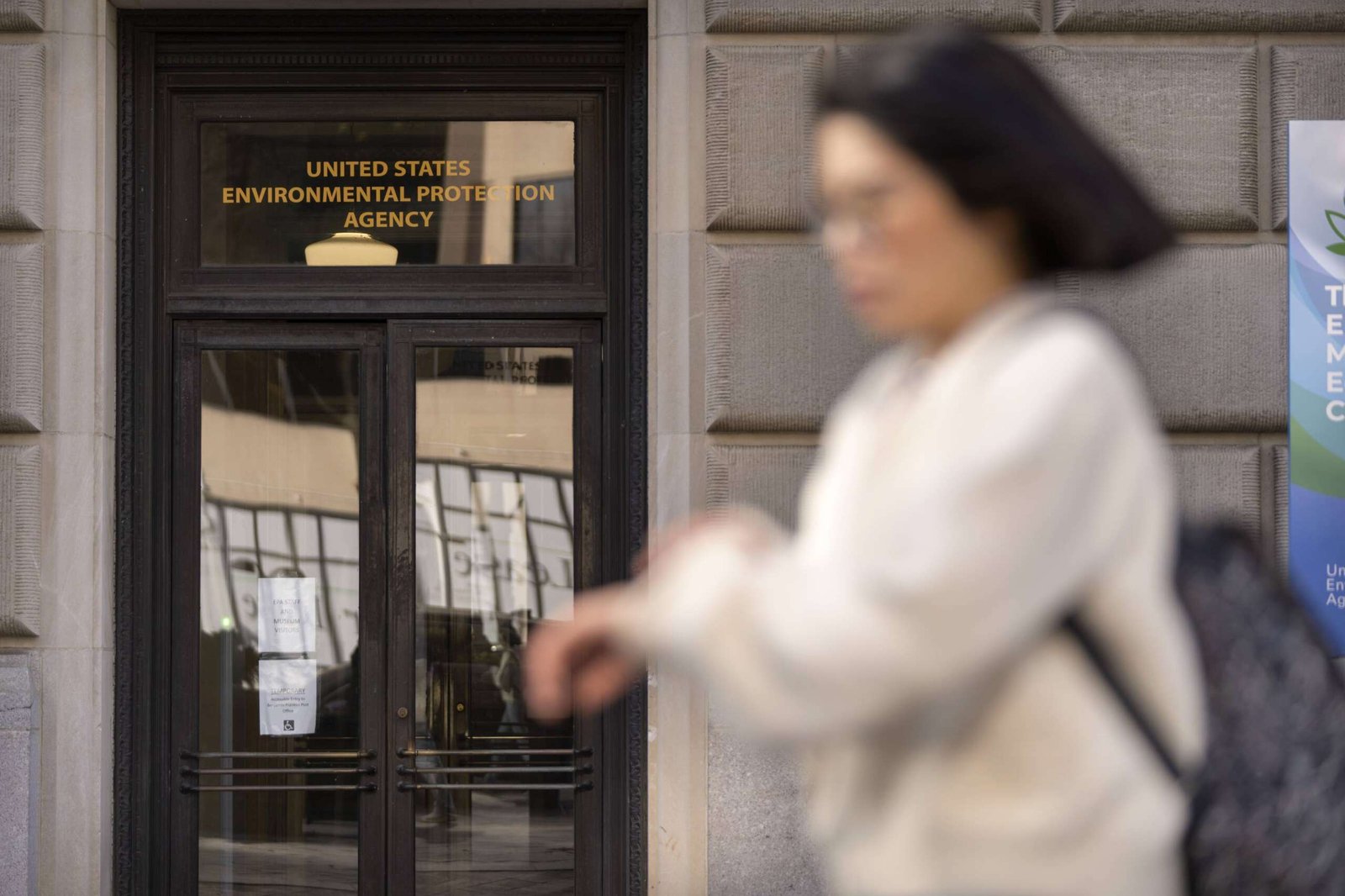
Kevin Bogardus So essentially last summer, a group of EPA employees, dozens of EPA employees got together and they signed a letter that essentially was an open dissent letter and was very critical to the Trump administration, especially of its treatment of science, as well as the staff at the agency. Stand Up for Science, a non-profit group had helped organize the letter, they’ve helped organize similar letters at other science and public health agencies like EPA. And essentially that letter came out, I believe it came out the morning of June 30th last year, and got a lot of coverage from national news outlets across the country, really drew a big spot, you know, put a big spotlight on EPA and what was going on in the agency during the second Trump administration. Later that week, July 3rd, about the day before, right before the 4th of July holiday, EPA released a statement and also sent notices to various employees that it put, you know, close to 150 EPA employees who had signed the dissent letter on administrative leave. And there was a very harsh statement that came from Administrator Lee Zeldin, the head of the agency. Essentially, my reporting kind of fills in what was happening during that week from the Monday the letter was released to the Thursday when the administrative leave began. And just to kind of finish what happened, these employees ended up being on administrative leave for weeks, essentially to the end of August. And then the agency started announcing or started sending notices, I should say, to certain EPA employees that you’ve been proposed for removal or you’ve been terminated. Essentially, both of those are, you’re fired. And several, many, many more were given notice that they would be suspended without pay for two weeks. And that essentially was the discipline, you know, meted out to these employees who signed that dissent letter. Essentially, my reporting, though, is in that week between the letter came out and before that first response from the agency by putting these employees on administrative leave, and that was essentially there was an email from an assistant general counsel, a top lawyer in the employment law practice group at EPA. So an EPA lawyer, who just said his legal advice to the agency was not to take ‘personnel actions’ or make any move that could be considered ‘retaliatory’ or ‘have a chilling effect’ on other staff. That email was sent to his colleagues, essentially on the human resources staff at EPA on July 2nd. So that’s the day before for kind of the first response from EPA where these employees replaced administrative leave. And so that was sent out. And I also was able to obtain a copy of kind of a chain of emails where that eventually reached some very top political appointees of the Trump administration who work at EPA, I think with the guidance of ‘for situational awareness.’ so it seems that they were very much aware of this warning, this caution about taking action against EPA employees. And then on top of that, there was also a finding from the EPA ethics office that they didn’t see any ethics concern with EPA employees signing the dissent letter. And essentially that was shared with other senior officials at EPA as well. So essentially you had two kind of instances of legal advice or advice from various lawyers within the agency that there wasn’t an issue with the dissent letter and even that you should not take action against them. Going back to the employment law lawyer at EPA, he cited a Supreme Court decision from almost 60 years ago called Pickering versus Board of Education, which does say that government has an interest in regulating its employee’s speech, federal employee’s, speech, but that ruling established, ‘a balancing test,’ to protect first amendment [rights]s of those federal workers, which was if the workers speak as private citizens about, ‘a matter of public concern,’ It doesn’t interfere with their government jobs. And in one instance, at least in one part of the dissent letter, they make it very well known that they created and signed and sent the letter during their own personal time and their own own personal capacity and they didn’t use government resources to craft or send the letter. And there was a subsequent investigation by EPA. We don’t really know what that investigation found, but it did seem they were trying to ascertain whether the EPA employees did use government resources to view or sign the letter. So that’s kind of where we’re at now. This is now being challenged, at least before the Merit Systems Protection Board, the group of EPA employees who were fired after they signed the letter, ended up taking their case — they’re being represented by a few law firms, as well as Public Employees for Environmental Responsibility, kind of a watchdog group for federal employees at energy and environmental agencies — And they’ve taken their case to the Merit Systems Protection Board. But my understanding is that case is still ongoing. And of course, there’s been a lot of complaints filed at MSPB during the second Trump administration. So it’ll be interesting to see when we get resolution on that.
Terry Gerton I’m speaking with Kevin Bogardus. He’s a reporter for E&E News. Kevin, I really appreciate you walking us through the whole history there. It seems like a classic case of career professionals giving their best professional advice, the attorney, the ethics office, and agency political leaders deciding not to do what they’ve advised. Would you say that’s because the political leadership did a risk analysis here or they had a political agenda? Have you been able to uncover sort of the motivation behind the decision?
Kevin Bogardus It’s been difficult. I would not say I’ve been able to uncover the motivation by political leadership to take action. They essentially have said, since this episode began last summer, they’ve essentially said, you know, we have a zero tolerance policy for anyone within the agency undermining or sabotaging or undercutting the agenda of this administration that was elected to office, you know, back in November 2024, and of course was then sworn in January 2025. So they’ve essentially, that’s what they’ve been saying publicly. They also say they don’t comment on individual employees’ cases. And that is something, you know we’ll continue to press on. But hopefully we can get some more answers on why exactly this went down the way it went down as these cases proceed.
Terry Gerton Since you’ve been reporting on this, what have you heard from other EPA employees about whether that chilling effect that the lawyers warned about is actually taking place? Are employees thinking differently about how they speak up or what they say?
Kevin Bogardus I think that’s a fair assessment. I do think EPA employees perceived, you know, when these people who signed the dissent letter were put on administrative leave and then, of course, when some of them were fired and many were suspended without pay for two weeks, I mean, that grabbed definitely the attention of other people who were working at the agency. It does frighten. You know, what I’ve been told is that they are frightened. They are worried about losing their jobs if they are critical, and especially are critical publicly of this administration. So that’s something I’ve heard over and over again, even before the dissent letter, but the dissent letter, this episode really emphasized that there is this worry and caution about speaking up within the agency, And essentially, you know, they did see consequences for that for their colleagues who decided to sign this open dissent letter that was sent to the administrator, but also was sent to Congress and released publicly as well.
Terry Gerton This was, as you said, one of a few letters of dissent that came out at about the same point in the first year of the Trump administration. For federal employees who might be watching this from outside the EPA, do you see it setting a precedent potentially for how dissent is treated within the agencies? Is that practice continuing still?
Kevin Bogardus I think, you know, I haven’t covered the other dissent letters as closely as I have covered the EPA dissent letter, but my understanding is there definitely was a response against employees at FEMA who signed a similar dissent letter. Essentially, I think they were placed on administrative leave and I think some were fired as well. You’d have to check me on that. I know there are similar letters, I believe at National Institutes of Health, NIH. And I think there is one at the National Science Foundation too. So it just, yeah, this has become an avenue for federal employees who are critical of the administration, how they’ve treated the government workforce, how they’ve applied science and so forth, a way for them to be critical of the administration. But also it’s an agenda to response back from the administration, which has led, I mean, especially EPA for some people to be fired as well as suspended without pay for about two weeks. So there definitely was kind of the business back and forth. And EPA was just one of the agencies where this happened.
Terry Gerton And the litigation is still ongoing. What are you hearing from lawyers kind of about the merits of the case? Is this going to establish some new precedent?
Kevin Bogardus I think again, kind of when it goes to the Merit Systems Protection Board, it kind of very much goes into a black box. I think we’ll get a decision and I hope that will be released publicly. I don’t know when that will becoming. I definitely think lawyers for the EPA employees are trying to establish that not only was this signing this letter and sending it out was in their free speech rights, but also that they were acting as whistleblowers and raising kind of issues of public concern of how things were operating at the agency. So it’s kind of, I know that’s kind of the approach from the lawyers who are representing the EPA employees who’ve been fired because of signing this dissent letter. I’m not sure how the agency has or will respond to that. But, you now, it’ll be interesting how that turns out and how the board rules on it. And if we do get a precedent on kind of whistleblowing and dissent and open criticism by federal employees of their government employers.
Copyright
© 2026 Federal News Network. All rights reserved. This website is not intended for users located within the European Economic Area.
