

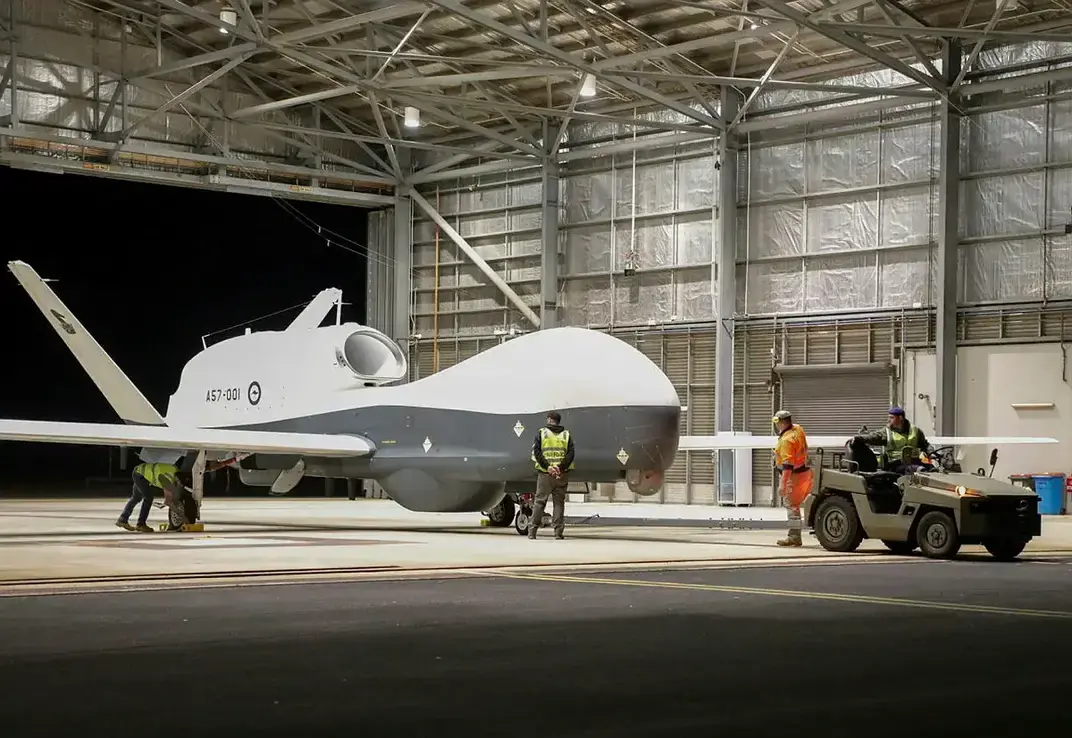
Defense Feeds, Washington — The United States is strengthening its maritime surveillance network as the US Navy MQ-4C Triton upgrade expands Indo-Pacific surveillance through a new contract awarded to Northrop Grumman. The agreement focuses on sustaining and improving the Navy’s MQ-4C Triton unmanned aircraft, a high-altitude long-endurance drone designed for maritime intelligence and reconnaissance missions across vast operational areas.
The MQ-4C Triton has become an increasingly important asset for monitoring maritime activity in the Indo-Pacific region. With growing strategic competition and expanding naval operations across the Pacific, persistent surveillance capability is viewed as essential for maintaining situational awareness and operational readiness.
The latest contract reflects the Navy’s continued emphasis on unmanned systems capable of operating over extended distances for long periods. Maritime patrol and intelligence gathering are becoming more critical as regional security challenges continue to evolve.
MQ-4C Triton Provides Persistent Maritime Surveillance
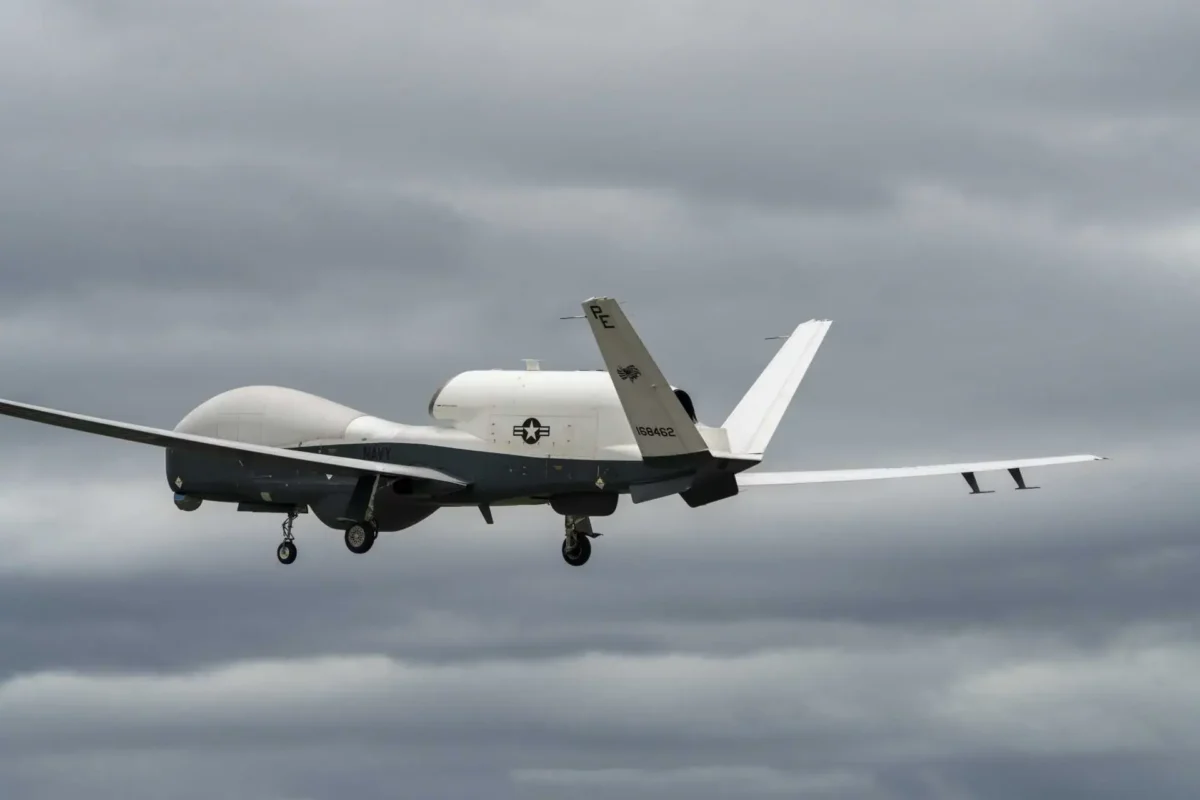
The MQ-4C Triton is specifically designed for long-range maritime intelligence, surveillance and reconnaissance operations. Operating at high altitude for extended durations, the drone can monitor large ocean areas while collecting real-time information on naval and maritime activity.
One of the platform’s key advantages is endurance. The Triton can remain airborne for extended periods, allowing continuous monitoring without the limitations faced by crewed patrol aircraft. This capability is especially valuable in the Indo-Pacific where operational distances are immense.
The drone is equipped with advanced radar, sensors and communication systems designed to track surface vessels and monitor maritime environments. Such persistent surveillance supports naval operations, maritime security and broader regional awareness.
The MQ-4C also works alongside crewed platforms such as the P-8 Poseidon maritime patrol aircraft. Together, these systems create a more integrated maritime surveillance network capable of supporting anti-submarine warfare, reconnaissance and strategic monitoring missions.
Northrop Grumman Contract Supports Fleet Readiness
The contract awarded to Northrop Grumman focuses on maintaining and improving operational readiness for the MQ-4C fleet. Sustaining advanced unmanned systems requires continuous technical support, software updates and maintenance to ensure reliability during long-duration missions.
Readiness is especially important for maritime drones operating in demanding environments. Saltwater exposure, extended flight operations and complex sensor systems place significant stress on aircraft and onboard technology. Ongoing sustainment helps reduce downtime and maintain mission capability.
The contract may also support upgrades to communication systems, sensor integration and operational efficiency. Modern surveillance missions increasingly depend on rapid data sharing between platforms and command centers. Enhancing connectivity improves situational awareness and response speed.
In addition, maintaining reliable unmanned surveillance capability reduces operational pressure on crewed aircraft fleets. Drones like the Triton can handle persistent monitoring tasks while allowing crewed systems to focus on more specialized missions.
Indo-Pacific Operations Drive Drone Expansion
The Indo-Pacific region continues to shape much of the US military’s modernization and deployment planning. Large maritime areas, expanding naval competition and strategic shipping routes make persistent surveillance a major operational requirement.
Unmanned systems like the MQ-4C Triton are increasingly central to this strategy because they provide long-range monitoring without risking personnel. Their ability to operate continuously over strategic waterways supports both deterrence and operational planning.
The growing use of drones also reflects broader military trends toward networked and distributed operations. Modern forces rely heavily on real-time intelligence and integrated sensor networks to respond quickly to evolving situations. Persistent aerial surveillance strengthens these capabilities.
As regional military activity increases, maritime awareness becomes even more important for tracking naval movements and supporting allied coordination. The Triton’s role is expected to expand as the Navy integrates more unmanned systems into routine operations.
Looking ahead, the demand for high-endurance surveillance platforms is likely to continue growing. Advances in autonomy, sensor technology and communication systems will further enhance the effectiveness of unmanned maritime patrol operations.
The US Navy’s continued investment in the MQ-4C Triton underscores the importance of persistent intelligence gathering in modern naval strategy. In an increasingly contested Indo-Pacific environment, maintaining reliable long-range surveillance capability remains a key element of regional security planning.
