

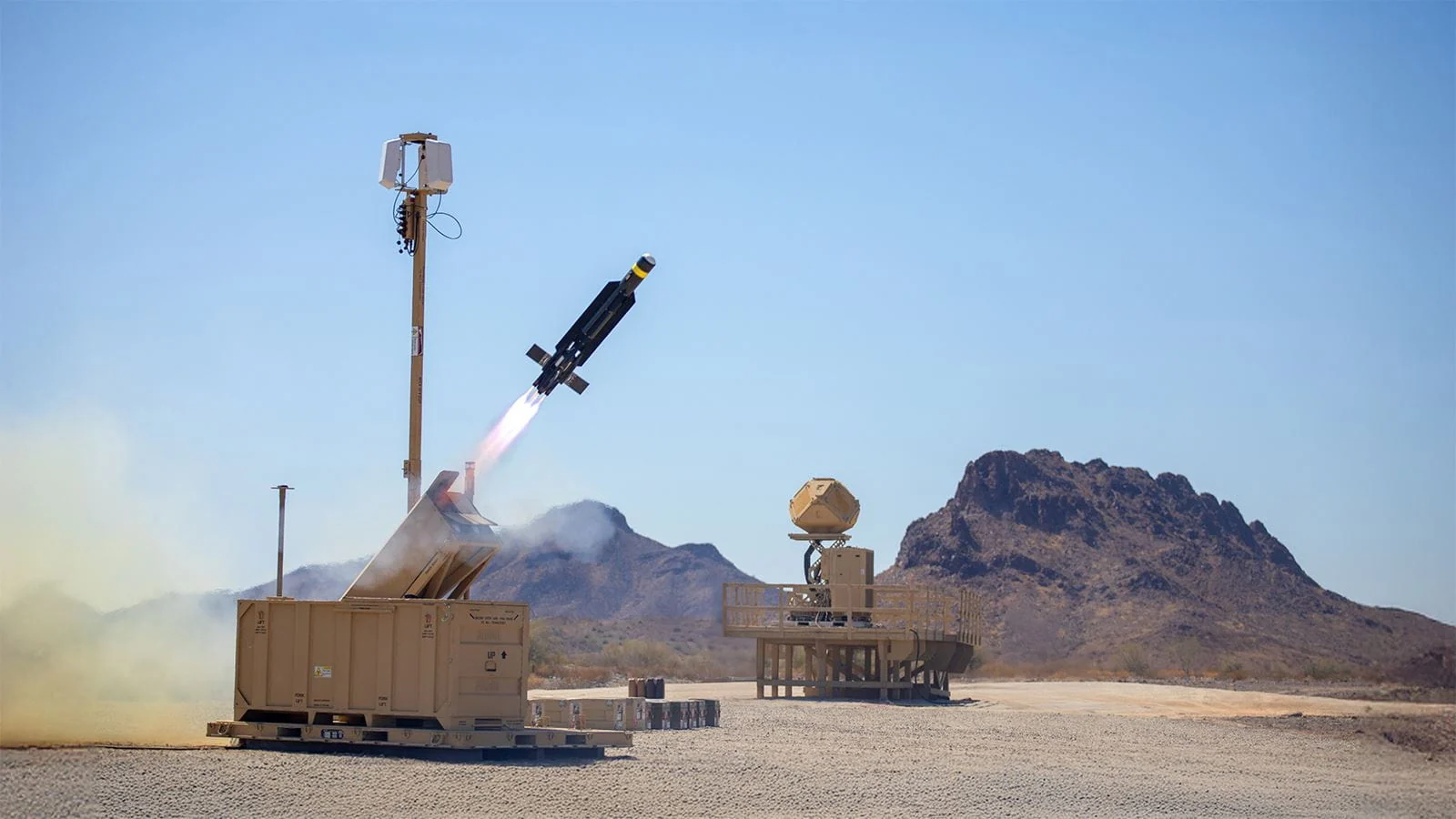
Defense Feeds, Washington — The US Army is reinforcing its counter-drone capabilities as US Army Coyote Interceptors boost defense against drone swarms through a new long-term procurement strategy.
The initiative reflects a growing recognition that unmanned aerial threats are no longer a niche concern but a central feature of modern warfare. As drone technology continues to evolve, the need for scalable and responsive defense systems has become increasingly urgent.
Recent conflicts have demonstrated how drone swarms can overwhelm conventional air defense systems. These platforms are relatively inexpensive, difficult to detect and capable of coordinated attacks against high-value targets. The Army’s decision signals a shift toward sustained preparedness rather than short-term solutions.
At the core of this effort is the Coyote interceptor, a compact and expendable unmanned system designed to neutralize hostile drones mid-air. Its role is becoming more prominent as battlefield conditions grow more complex. The question now is how effectively such systems can keep pace with rapidly evolving threats.
Drone Swarms Reshape Modern Battlefield Threats
Drone warfare has expanded far beyond reconnaissance missions. Modern unmanned systems are now capable of delivering precision strikes, disrupting communications and operating in coordinated swarms that challenge traditional defenses. This transformation is forcing militaries to rethink their approach to air defense.
The primary challenge lies in both scale and cost. Conventional missile systems are often too expensive to deploy against low-cost drones in large numbers. This creates a tactical imbalance that adversaries can exploit with relative ease.
Coyote interceptors address this challenge by offering a more proportionate response. Designed as expendable systems, they allow operators to deploy multiple interceptors simultaneously. This provides a practical solution for countering swarm tactics that rely on overwhelming defenses.
In addition, the system’s agility enhances its effectiveness. It can rapidly adjust to changing conditions, track multiple targets and engage threats in real time. This level of responsiveness is essential in modern combat environments where speed and adaptability are critical.

Long-Term Procurement Reflects Strategic Planning
The Army’s move toward a long-term acquisition agreement represents a significant shift in procurement strategy. Rather than reacting to immediate operational needs, the focus is now on maintaining a consistent and reliable counter-drone capability. This ensures readiness across a wide range of operational scenarios.
Such an approach also provides stability for the defense industry. Predictable demand allows manufacturers to scale production, refine system performance and invest in technological improvements. This contributes to both efficiency and innovation over time.
The decision is also shaped by recent battlefield experiences. The rapid increase in drone usage has exposed gaps in existing defense systems. Addressing these gaps requires not only new technology but also a sustained commitment to deployment and integration.
By committing to long-term procurement, the US Army is positioning itself to adapt to future threats. It ensures that counter-UAS capabilities evolve in parallel with advances in drone technology. This forward-looking strategy is essential in maintaining operational advantage.

Evolving Role of Counter-Drone Systems in Future Warfare
Coyote interceptors form part of a broader effort to develop layered air defense systems. In modern warfare, no single system can effectively counter all threats. Instead, success depends on integrating multiple technologies into a cohesive defense architecture.
Within this framework, Coyote systems operate alongside radar networks, electronic warfare tools and other interceptors. Each component contributes to detecting, tracking and neutralizing incoming threats. This layered approach enhances overall effectiveness and resilience.
Looking ahead, the importance of counter-drone capabilities is expected to increase. As unmanned systems become more advanced and accessible, the risk they pose will continue to grow. Militaries must therefore invest in solutions that are both adaptable and scalable.
The US Army’s decision to secure Coyote interceptors through a long-term deal reflects a clear understanding of this evolving threat landscape. It underscores the importance of maintaining readiness in an era where drone warfare is becoming a defining element of conflict.
