

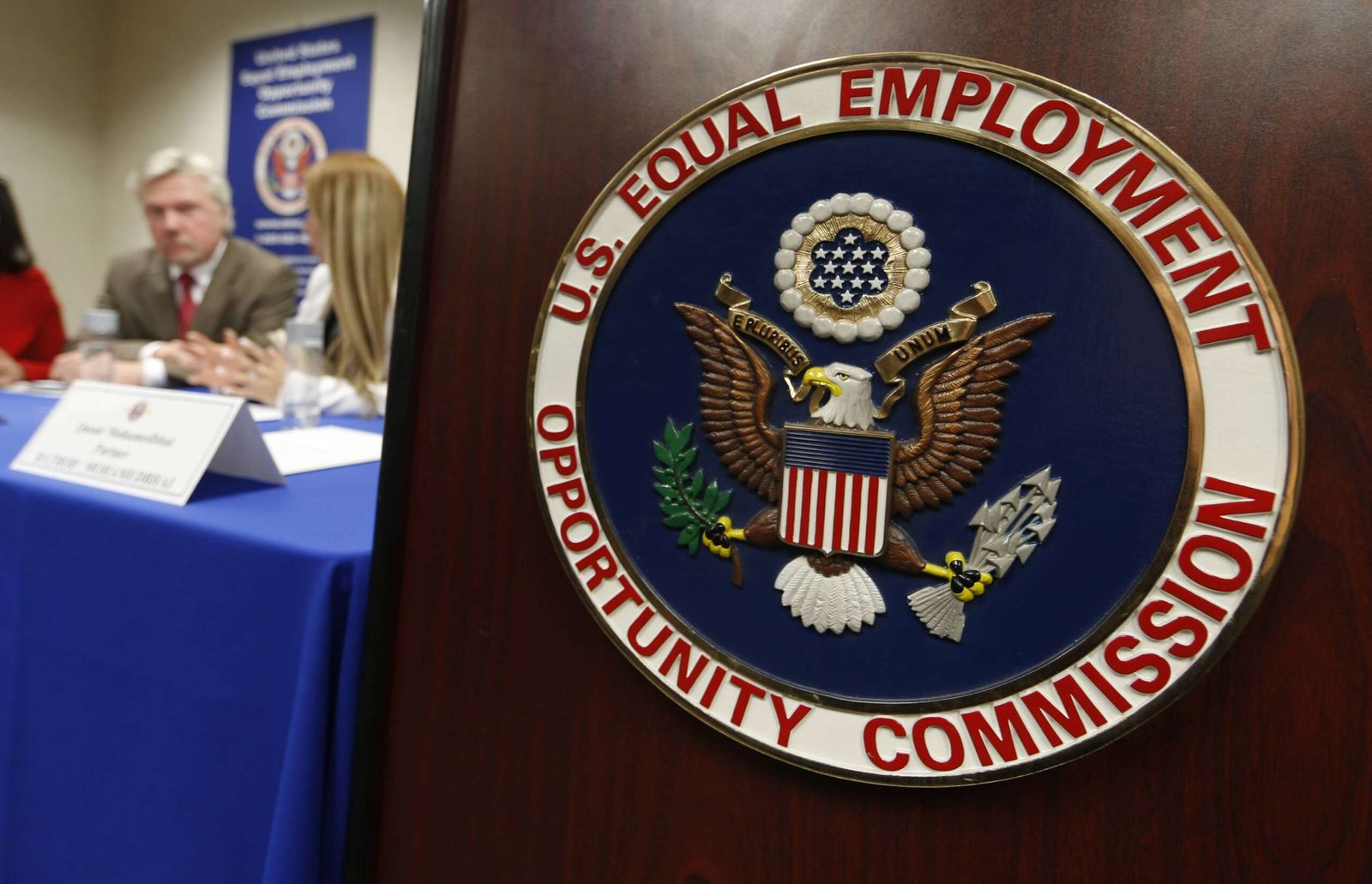
The Equal Employment Opportunity Commission is facing new legal action from a federal union that claims the commission has not been processing any federal employee class action cases since at least late last year.
The American Federation of Government Employees filed a lawsuit against EEOC on Tuesday in the U.S. District Court for the District of Columbia. The union alleges that the commission violated the Administrative Procedure Act when it reportedly issued a blanket suspension last year on work involving class action complaints in the federal sector.
Federal employees involved in class complaints continue to be harmed by the ongoing pause in their cases, now with no avenue for obtaining relief, AFGE argued. When EEOC cases are on hold, administrative law judges are unable to hold hearings, engage in discovery, decide motions or issue decisions in class action complaints.
The lawsuit comes in response to EEOC’s suspension of a class complaint involving Federal Bureau of Prisons employees who allege they are facing persistent and severe sexual harassment at work. The plaintiffs in the case, two female corrections officers stationed at a men’s prison in Louisiana, have joined AFGE in the lawsuit against EEOC and Chairwoman Andrea Lucas, a Trump appointee.
The case, Pippen v. Federal Bureau of Prisons, was transmitted to EEOC in 2024 — and in March 2025, it was certified as a class complaint. But in December 2025, an EEOC administrative judge reportedly issued a notice informing plaintiffs that their case was paused “until further notice,” and any scheduled deadlines had been canceled.
According to AFGE’s lawsuit, the notice further stated that the indefinite suspension “applies to all class cases in the federal sector, including those alleging disparate impact.”
In the months since EEOC halted processing their case, plaintiffs “have been subjected to, or are at risk of, ongoing and escalating sexual harassment that continues to go unremedied,” AFGE said. “They have no information about when, if ever, their case will continue and whether they will be able to receive injunctive relief from the EEOC for their ongoing harm.”
An EEOC spokesperson declined to comment on the new lawsuit or explain why the commission appears to have indefinitely paused work on all federal sector class complaints — instead referring Federal News Network’s questions on the lawsuit to the Department of Justice. DOJ did not respond to a request for comment.
The lawsuit argues that EEOC’s suspension of processing federal sector class complaints violates the commission’s own regulatory requirements. EEOC regulations define a structured process for “promptly” handling complaints involving discrimination against groups of federal employees.
“Federal workers who rely on the process the commission created by regulations — which are binding on the EEOC — have been left in limbo,” plaintiffs wrote in the lawsuit, adding that EEOC’s “unlawful suspension of that process has deprived [federal employees] of the adjudicatory mechanism the commission itself created and is legally obligated to provide.”
More broadly, the lawsuit claims that discriminatory practices against federal employees have continued while their cases remain unprocessed — and that the ongoing delays in these cases will make it more difficult to provide effective relief to plaintiffs and class members. AFGE is calling on EEOC to immediately resume processing all federal employees’ cases.
“Justice delayed is justice denied, and the EEOC’s refusal to act on these class-action complaints is causing direct harm and personal injury to our members,” AFGE National President Everett Kelley said Tuesday. “The EEOC has a legal responsibility and obligation to keep our federal workplaces free from discrimination and retaliation, and the agency’s refusal to process these cases is a clear abandonment of its mission.”
Under the Trump administration, EEOC has taken other significant steps to change its internal operations, some of which directly affect the federal sector. In June, for instance, the commission lifted decades-old requirements for agencies to report federal employee demographic data.
AFGE has filed well over a dozen other lawsuits against the Trump administration, in response to actions the administration has taken related to the federal workforce. The union’s legal challenges include cases against Schedule Policy/Career, collective bargaining exclusions and probationary employee terminations.
If you would like to contact this reporter about recent changes in the federal government, please email drew.friedman@federalnewsnetwork.com or reach out on Signal at drewfriedman.11
Copyright
© 2026 Federal News Network. All rights reserved. This website is not intended for users located within the European Economic Area.
