

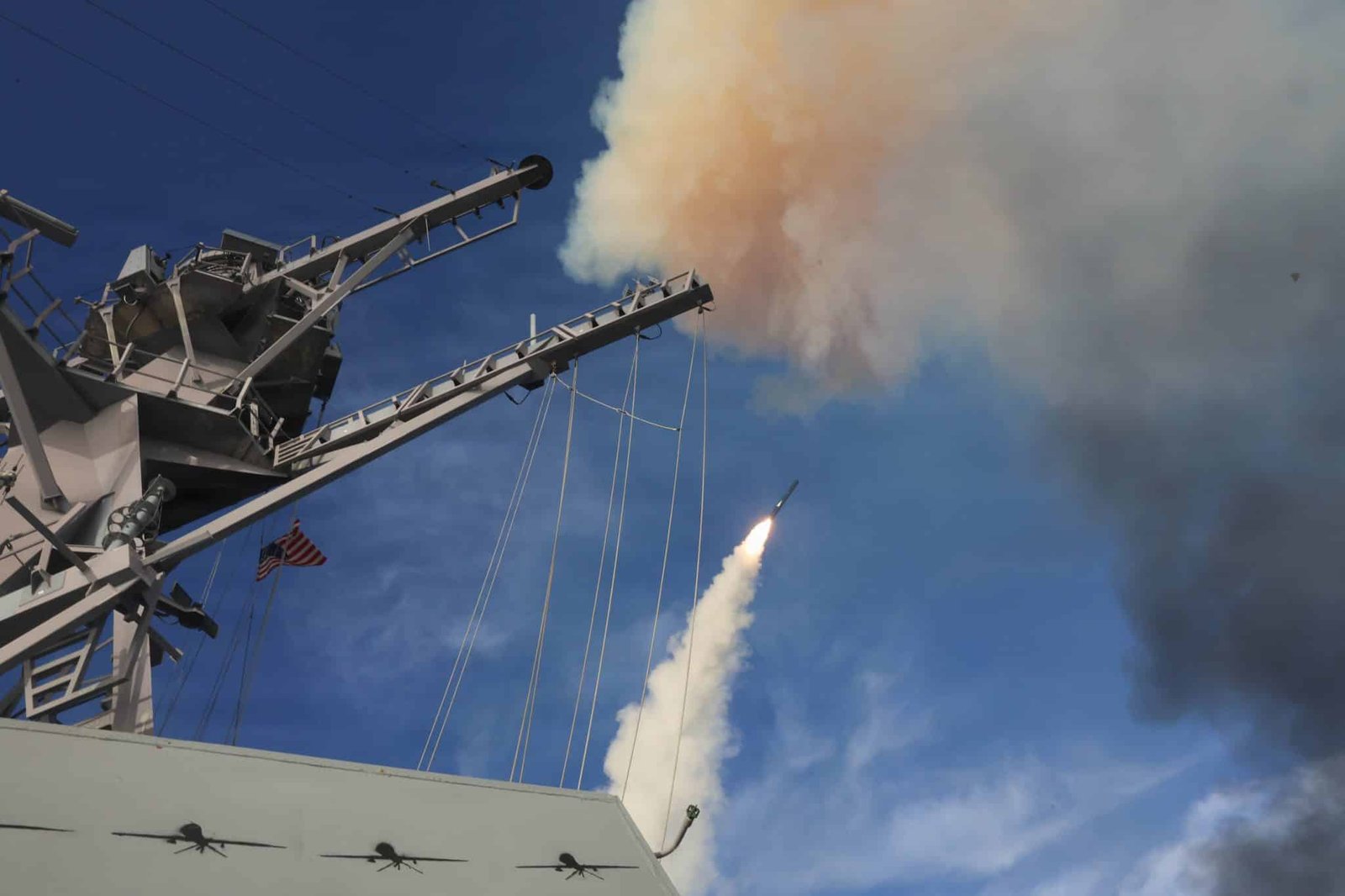
The U.S. Senate’s Appropriations Committee for Defense released it’s proposal of the National Defense Appropriation Act (NDAA) for Fiscal year 2027, revealing the chamber’s funding priorities within the Navy. Detailed in a simultaneously published report, the Senate seeks to remedy recent munition expenditures and shortages with funds primarily requisitioned from the amount requested for shipbuilding purposes.
The Winners
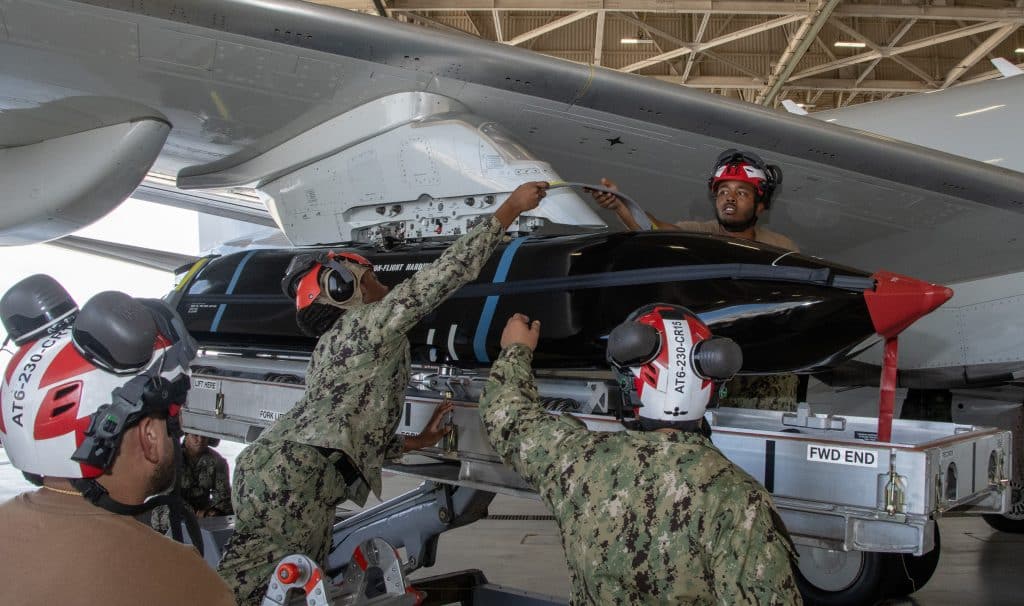
The proposed budget would see major acquisition headwinds provided to the U.S.’s munitions stockpile, particularly as it relates to advanced strike munitions and interceptors. The category designated, “WEAPONS PROCUREMENT, NAVY,” lists the litany of changes, summarizing at nearly $19,685,417,000 or $19.685 billion appropriated, an increase of roughly $7,916,306,000 overall.
Standard Missiles series interceptors (SM-6 and SM-3 predominantly) see an increase of $3.599 billion, an increase of nearly 5 times the original amount requested of ~$733 million, likely funding procurement of several hundred missiles. The Navy’s procurement of Patriot PAC-3 Missile Segment Enhancement (MSE) missiles increased from roughly $97.8 million to $1.730 billion, a staggering increase of 17 times over previously estimated amounts.
Tomahawk series anti-ship/land attack cruise missiles received an additional $1.993 billion dollars in funding, increasing by ~3 times to a total of just over $3 billion dollars. Tomahawk modifications also received a healthy injection of funding, rising by nearly double from ~$800 million to $1.523 billion dollars. LRASM (Long Range Anti-Ship Missile) saw a somewhat drastic increase as well, rising to ~$906 million dollars from a previous total of ~$670 million.
More minor increases were generally seen across the board for munitions, with an additional $408 million dollars allotted to the AIM-260 Joint Advance Tactical Missile (JATM) program along with ~$65 million more dollars given to Evolved Sea Sparrow Missiles (ESSM). The Multi-Mission Affordable Capacity Effector (MACE) program (recently won by Castelion’s Blackbeard Hypersonic missile) received $156 million dollars total, increasing from an expected $0 in the Senate’s previous estimates.
Outside of Munitions
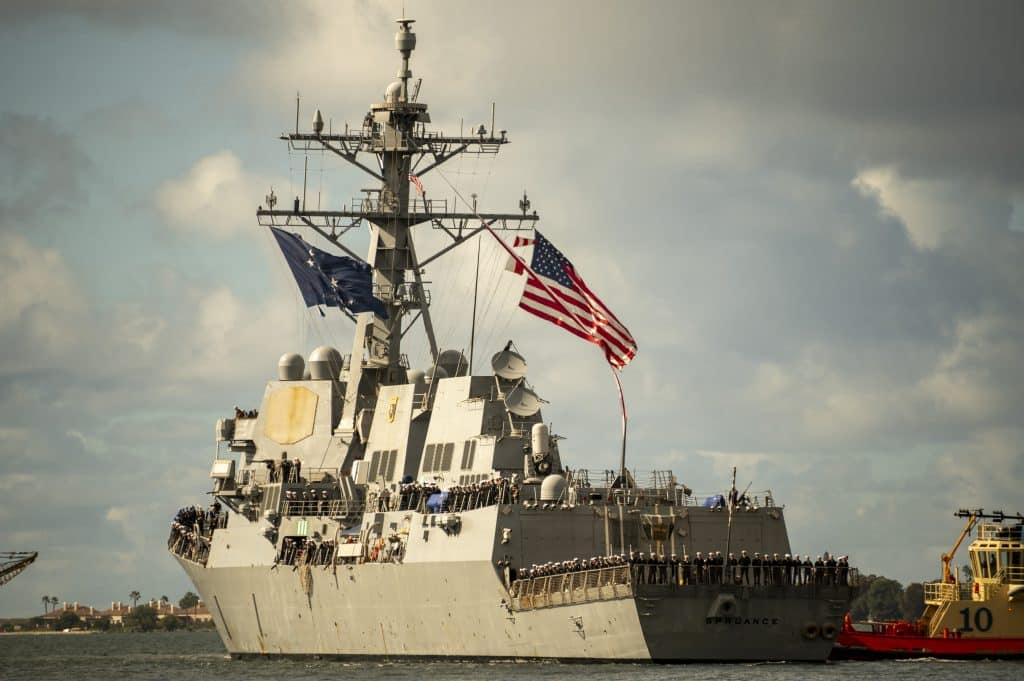
Out of funds destined for shipbuilding, only a scant few programs walked away with an increase, centering on building up infrastructure and investing in more legacy systems. In particular, Arleigh Burke-class destroyers (DDG-51s) gained $1.9 billion dollars, upping the total to ~$4.854 billion dollars from ~$2.954 billion, likely representing procurement of an additional hull.
The only other shipbuilding related program to receive (somewhat of ) an increase from previous estimates pertains to the industrial bases. The submarine industrial base’s original funding was almost entirely cut, supplanted instead with ~$2.897 billion dollars, $2.568 of which came from re-categorizing funds for advanced procurement of Virginia-class and Columbia-class, with only a real increase of $329 million. The Senate dedicated the $329 million to funding distributed building of sub components, fabrication, integration of AI, and expansion of multi-mission items amongst other categories.
The surface ship industrial base on the other hand received recommendation for a roughly $595 million dollar increase form previous estimates of $0 dollars provided. Distributed Shipbuilding and Large Surface Combatant shipyard infrastructure received the bulk of funds allotted at $295 million and $200 million dollars respectively, whilst other components such as wage increases, automation, and collaboration, received more minor amounts of funding.
The Navy’s aviation funding makeup itself got sizeable rework, placing most of the requisitioned from other programs in the hands of the USN’s fighter wing. In particular, F-35C Joint Strike Fighter gained a total of $2.55 billion dollars, increasing the previous amount of ~$955 million dollars to over $3.5 billion dollars, mainly moving funds out of reconciliation into the main bill.
The Losers

Most of the funds now dedicated for munitions procurement did not originate from additional monetary resources, instead coming from cuts coming from other programs, with some taking massive reductions from the President’s budget proposal. Cuts to submarine programs represent particularly hard-hit programs, with total losses of over $10 billion dollars alone, whilst overall cuts to shipbuilding stand at ~$18.535 billion dollars.
In particular, the committee more than halved funds given to the U.S.’s Columbia-class next generation Nuclear Ballistic Missile submarine, reducing the the estimated total of $10.233 billion by $5.612 billion, with a new total of ~$4.622 billion . The Virginia-class nuclear attack submarine program also suffered a large reduction, with the Senate proposing a reduction of $4.621 dollars, bringing the proposed total down from $8.402 billion dollars to $3.781 billion along with advanced procurement taking a $1.768 billion dollar hit , although most of the reduction there got refiled under the submarine industrial base.
The Senate completely zeroed out funds for both AS(X), the long awaited submarine tender replacement) and the BBG(X) battleship program, reapportioning the entire $4.4 billion for AS(X) and $1 billion in advanced procurement for BBG(X) for other purposes. The committee also cut Carrier mid-life refueling efforts considerably, reducing funds dedicated to the lengthy overhauls by $1.6 billion to ~$2.818 billion , down from previous assessments of ~$4.419 billion.
Other programs took additional reductions, such as the LHA replacement (America-class LHA program), the future frigate FF(X) program, and Flight II San Antonio-class LPDs suffering cuts of $1.6 billion, $643 million, and $875 million dollars respectively.
Outside of Shipbuilding
Bar shipbuilding and vessel procurement, the P-8 program received the largest single cut to an aviation program, dropping roughly ~$2.284 billion, reducing ~$4.227 billion for the program down to ~$1.944 billion dollars. The KC-130J represents the other big loser within the Naval aviation’s top lines, with a reduction of funds by ~$720 million dollars, down to just over $881 million appropriated. Most other aviation programs also took hits across the board, with the E-2D Advanced Hawkeye program, CH-53K program, and MH-60 program amongst the more minor reductions (~$200 million or less)
The Navy’s ballistic missile programs also bear serious losses in funding, with the Conventional Prompt Strike (CPS) Hypersonic Glide Weapon getting slammed hard, losing $563.9 million in funding, with only $186.4 million left appropriated. The Trident II Ballistic Missile modification/refit program took a $750 million hit, leaving $3.348 billion dollars left to update America’s sea based deterrent.
For more miscellaneous munitions, the Senate zeroed out the Precision Attack Strike Munition (PASM) program, which sought to equip Marine attack helicopters with stand-off ranged cruise missiles. MK-48 Heavyweight torpedoes and funds allocated for their modification also took a cut, dropping by a total of $198.6 million.
Why A Reshuffle?

Whilst not explicitly stated in the budget report (as munitions receive their own dedicated report prior to the end of the corresponding Fiscal Year), the Senate’s Armed Services Committee implicitly stated it’s incredible level of concern over munition stockpiles, due mostly to high expenditure rates during Operation Epic Fury and subsequent operations. This level of concern is so high that the committee seeks emergency rearrangement of funds to remedy the problem, even taking from key shipbuilding programs.
However, large cuts to shipbuilding and other items are justified along additional lines. For instance, regarding cuts to the Virginia-class SSN program and the Columbia-class SSBN program, the committee maintains concern about, “Columbia-class submarine and Virginia-class submarine construction cost and schedule performance,” instead preferring to fund the program on year-by-year basis instead of locking up orders to keep yard capacity staffed.
The Committee cites similar reasons when considering CVN refueling cuts, citing the fact that the delayed completion date of 2031 for the CVN-75’s refueling and complex overhaul, with the initial amount proposed exceeding program limits, requiring a cut. For other shipbuilding programs which received cuts, the committee states that any more advanced procurement or construction funding allotted in the current fiscal year won’t produce tangible results due to insufficient production scheduling, even if they fill order slots for long-lead time and much needed programs, such as the AS(X) submarine tender replacements.
The committee’s report details that most cuts to aviation programs come from rephasing procurement and development timelines, extending out the cost and timeline for the program’s objectives out to different fiscal years, with the benefit of freeing up funds in the near term at the cost of expedited work on a program.
Not Confirmed Yet
Whilst this budget proposal marks a stark departure from plans put forward by the current administration, the bill (for now) remains just that, a proposal. This translates to the House of Representatives and the Senate still needing finalize a single bill which then has to be signed by the President. As such, any cuts stipulated in this copy may not make it to the final bill, but are strongly indicative of where Congress’s preference lies in terms of which programs get how much funding, with this round laying the importance on munitions.
