


Many men in the fitness world assume that leaner is always better. The closer you get to contest-level conditioning, the more attractive you’ll become. But according to a recent YouTube video from Renaissance Periodization’s Dr. Mike Israetel, the science suggests otherwise.
Reviewing a study titled The Relationship Between Body Fatness and Physical Attractiveness in Males, Israetel explored what body fat percentage people actually find most attractive and the answer may surprise many fitness enthusiasts.
The Research Question
The researchers wanted to determine whether male attractiveness peaks at a specific body fat percentage or if attractiveness simply increases as body fat decreases. They also examined whether attractiveness is more strongly influenced by body fat percentage, body mass index (BMI), or shoulder-to-waist ratio.
To test this, 283 participants from China, Lithuania, and the United Kingdom ranked 15 male DEXA body scans from most attractive to least attractive. The images represented body fat levels ranging from 5.9% to 37.2%, with faces and height removed to isolate body composition.
The Results
The findings revealed a clear pattern. Rather than preferring the leanest physiques, participants consistently rated men with moderate body fat levels as the most attractive.
The sweet spot? Approximately 13 to 14 percent body fat.
The study also found that a BMI between 23 and 27 scored highest for attractiveness, while a shoulder-to-waist ratio of roughly 1.57 was preferred.
However, body fat percentage proved to be the strongest predictor of attractiveness across all populations tested. Perhaps most surprising, men and women rated attractiveness almost identically. Regardless of country or gender, participants generally favored the same physiques.
Why It Matters
For Israetel, the findings challenge a common belief within bodybuilding culture. Many lifters chase extremely low body fat levels believing that shredded physiques are universally attractive. According to this research, that may not be the case.
“People seem to prefer moderate male fatness, not extremes of fatness or leanness,” Israetel explains.
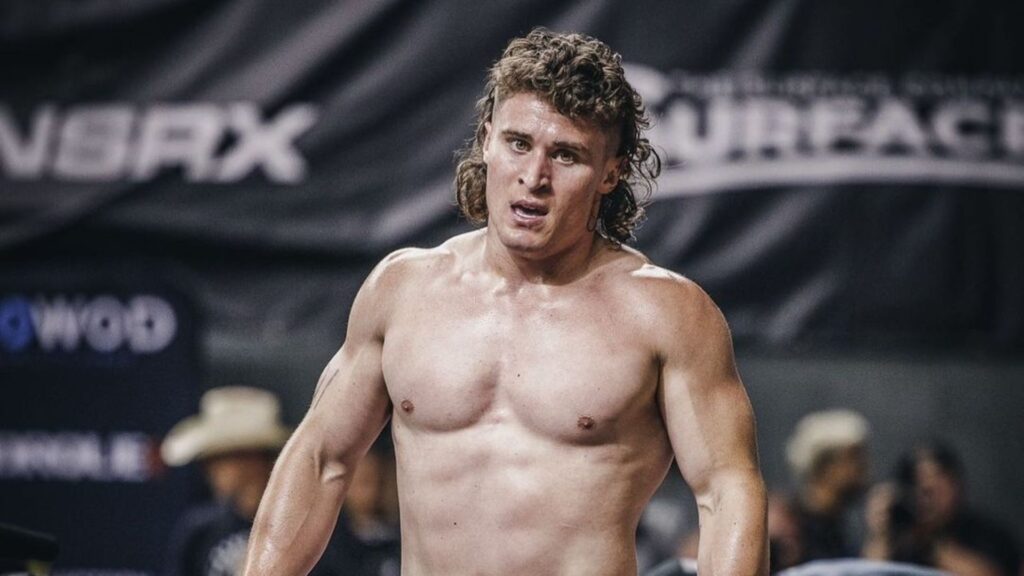
He notes that while social media often glorifies single-digit body fat percentages, most people are drawn to a lean, athletic appearance rather than competition-level conditioning.
The Real-World Takeaway
Israetel believes the practical attractiveness range for most trained men falls between roughly 10 and 17 percent body fat, with the center of that range landing around 12 to 15 percent.
Factors such as facial structure, fat distribution, and muscularity can shift the ideal slightly, but the overall message remains consistent.
Instead of endlessly dieting for more visible veins and striations, most men may benefit more from maintaining a healthy, athletic physique while focusing on other aspects of attractiveness such as confidence, grooming, style, and social skills.
According to the study, getting lean enough to show facial definition and a visible shoulder-to-waist taper may provide most of the visual benefits without the drawbacks that often come with extreme dieting.
About the Author
Jeremiah Oliva

Jeremiah Oliva is a writer passionate about fitness, sports, and active living. He has experience in songwriting and managing content and social media for online radio and magazine platforms.
He covers HYROX, CrossFit®, and competitive fitness, with a focus on performance, mindset, and athlete development.
Outside of writing, Jeremiah trains in boxing, cycles, explores the outdoors with his kids, and plays the guitar.
