


Tekken is arguably the second-most popular fighting game title after Street Fighter.
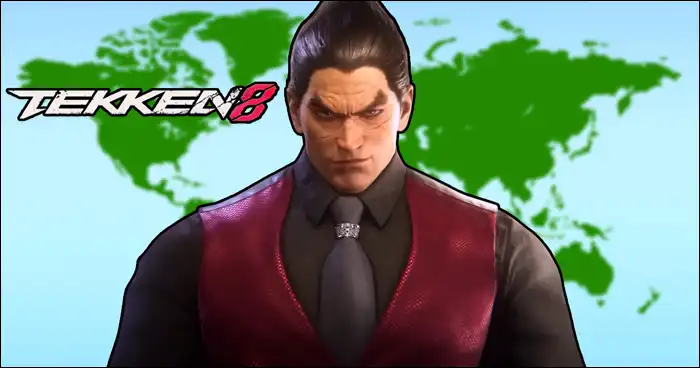
According to Katsuhiro Harada and Naoya Yasuda, this is largely due to Tekken’s growth outside of Japan throughout the title’s history. This was an intentional focus as early as the 1990s, the two said in a recent feature shared by Bandai Namco.
In the 1990s, game brands were pivoting their focus from arcades to families’ living rooms. In Japan, developers were making home console versions of the games that were popular in the arcades. However, Tekken developers noticed that arcade culture was dying in Europe and America, and felt they should focus more on making games that were fully created for that living room experience without any care for the arcade.
“For example, we created narratives for each character that appears in the game, allowing fans to enjoy a character for both their gameplay and their story. Also, in addition to the conventional versus mode where players can fight using each character, we added a story mode and mini games,” the duo explained.
Tekken had become a game that was focused not just on the individual player’s experience, but the spectators’. The team listened to fans’ opinions across the world, visiting different regions to get insight into how the game was being played. This marketing strategy played off. By 1995, overseas sales made up around half of Tekken and Tekken 2 sales.
Said Harada: “Overseas sales accounted for over 95% of total sales for the previous title, Tekken 7, and the series itself has been tremendously popular overseas from a very early stage in its history.”
The global appeal of Tekken turned competitive in 2019. Before that, Tekken’s esports scene was largely in Japan and South Korea. The pandemic brought Tekken fans together from all over the world, since those stuck inside during those years started watching streamers and online tournaments. During this time, the power of fighting games’ online connection really shone. Fans didn’t even need to purchase the game to be a part of the community.
“Gaming is international,” Tekken GOAT Arslan Ash told me earlier this year. “Anyone can play the game. Anywhere you go in the world, you can find Tekken players. Gaming is more popular than sports. It’s more accessible.”
Tekken has now been around for 30 years, recognized by the Guinness World Records for being the longest-running 3D fighting video game franchise. The FGC often has criticisms of the gameplay, especially after that whole Season 2 fiasco. Arslan Ash has even started experimenting with Fatal Fury.
But through it all, Tekken has kept a super solid competitive fanbase that has yet to be matched by any other game (aside from Street Fighter). At Evo France 2026 in October, the two were pretty even. Street Fighter had 1,071 entrants while Tekken 8 had 963.
“We believe that creating settings for building communities both online and offline and establishing a structure to manage those communities will help us ensure that fans continue to enjoy the Tekken series for many years to come,” the Bandai interview concluded. The expansion plan includes communicating a strategy to each region, empowering local staffing to carry it out.
