

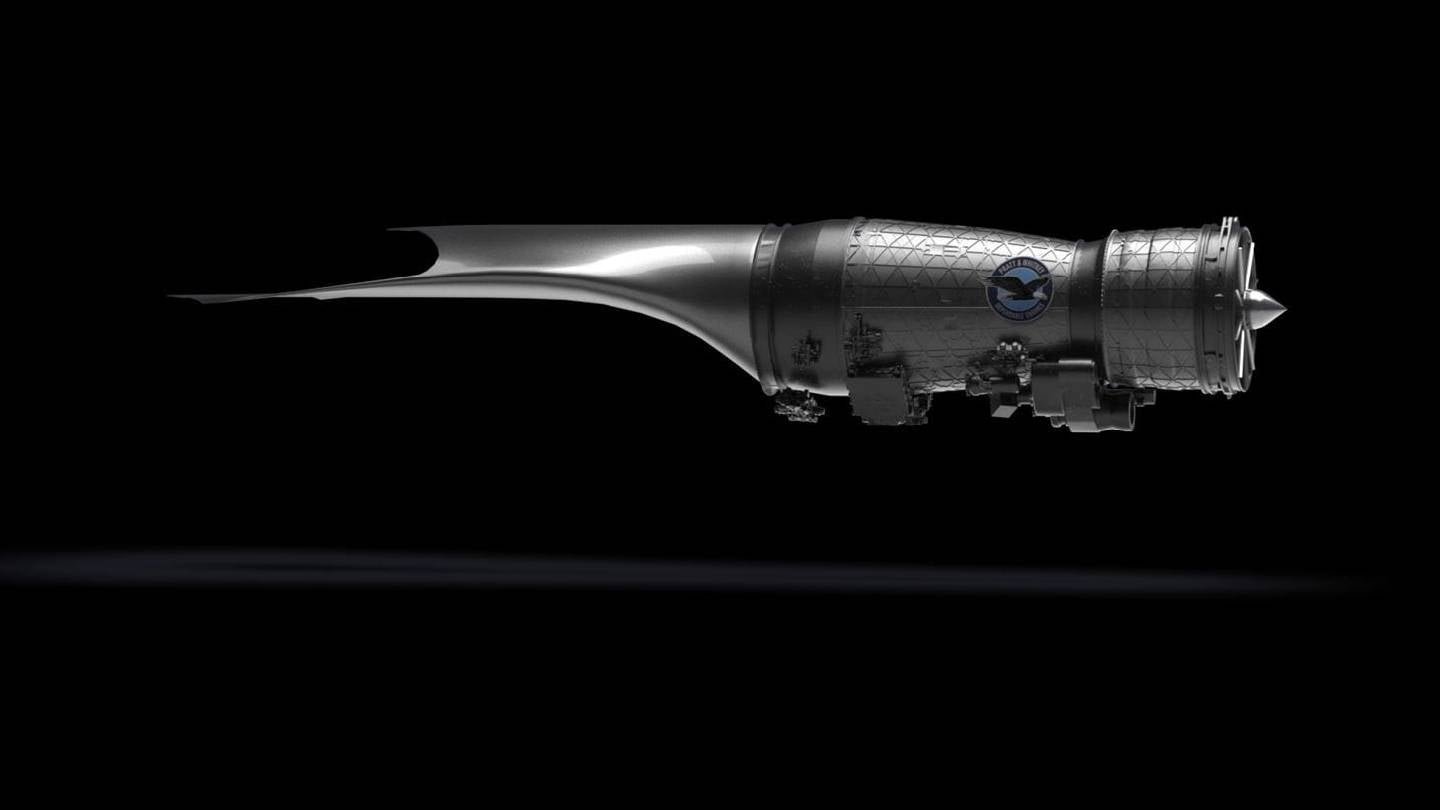
RTX has announced that its Pratt & Whitney division has finalised a fully digital technical assessment of the XA103 adaptive engine for the US Air Force (USAF).
This follows Pratt & Whitney’s announcement in September last year that it is employing digital data packages to expedite the development of the XA103 engine.

Discover B2B Marketing That Performs
Combine business intelligence and editorial excellence to reach engaged professionals across 36 leading media platforms.
With the completion of the assembly readiness review, Pratt & Whitney has shifted from operating solely in a digital design environment to beginning procurement and physical production of the XA103 engine hardware.
This milestone also follows the preliminary and detailed design reviews previously conducted on the engine.
Development of the XA103 falls under the USAF’s Next Generation Adaptive Propulsion (NGAP) programme, which forms a component of the broader Next Generation Air Dominance (NGAD) initiative led by the US Department of War.
The NGAP programme also includes General Electric’s (GE) variable-cycle XA102 engine prototype.
In early 2023, the department awarded contract modifications of up to $3.5bn to both companies for their respective projects.
The two engines are scheduled to be completed two days apart in July 2032.
Pratt & Whitney stated that its NGAP team is collaborating with suppliers to secure the components required for assembling the XA103, with engine testing anticipated to take place in the late 2020s.
Pratt & Whitney’s Military Engines business president Jill Albertelli said: “This milestone demonstrates Pratt & Whitney’s investment in digital infrastructure, showcasing seamlessly integrated digital capabilities and reinforcing our strong collaboration with the US Air Force.
“As we move forward with assembling our engine for testing, our NGAP team is simultaneously developing novel digital validation tools. The performance we expect this engine to deliver exceeds anything available today, reinforcing the critical importance of continuous improvement and stable investment in maintaining propulsion as a strategic competitive advantage.”

