

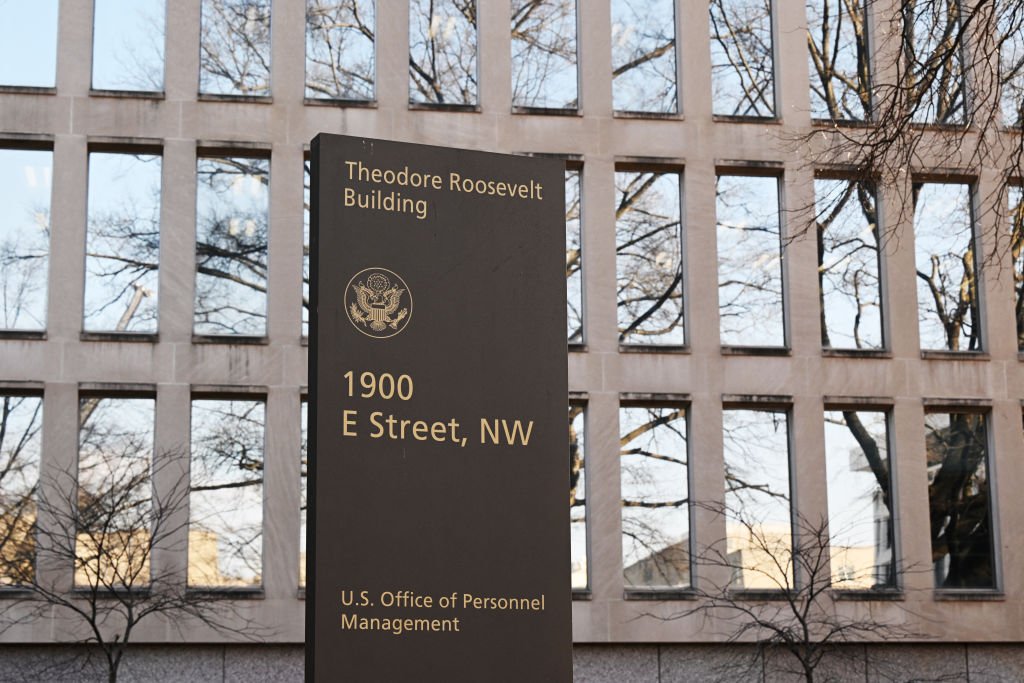
A longstanding framework meant to root out inadvertent discrimination in hiring assessments will no longer be required for federal agencies, according to the Office of Personnel Management.
An interim final rule that OPM issued last week eliminates the Uniform Guidelines on Employee Selection Procedures (UGESP) from federal personnel policy and regulations. The move aligns with a June 9 opinion from the Department of Justice, which deemed UGESP unlawful and unconstitutional.
Going forward, OPM said the UGESP framework will no longer appear in federal regulations defining basic requirements for agencies when creating hiring assessments. The final rule also removes references to the guidelines from regulations on category rating, aligning with the Trump administration’s stance on the issue.
The interim final rule is effective immediately, but OPM is accepting public comments on the changes for the next 60 days.
In a July 31 press release, OPM said removing references to UGESP will reduce regulatory burden and add clarity to agencies’ federal hiring procedures. OPM described the framework as “obsolete and legally inconsistent.”
“Federal hiring should be based on merit, qualifications and the ability to perform the job,” OPM Director Scott Kupor said. “This rule ensures OPM’s regulations reflect legal guidance while preserving the rigorous, job-related standards that help agencies recruit and hire the most qualified workforce in service to the American people.”
Although it’s removing UGESP from various federal personnel regulations, OPM said the changes stemming from its interim final rule are “limited.”
“Agencies remain responsible for ensuring that selection practices are based on merit, supported by job analysis, rationally related to job performance, professionally developed and administered without prohibited discrimination,” OPM wrote in the rule last week.
Since 1978, the Equal Employment Opportunity Commission’s UGESP framework has set standards for employers to gauge potential bias in hiring evaluations, as a way to help prevent discrimination against job applicants.
The guidelines were designed for employers to determine whether their hiring assessments were creating a “disparate impact” on protected classes based on race, gender or other demographics. The disparate impact theory asserts that seemingly neutral policies from employers might still disproportionately affect certain demographic groups, even when inadvertent.
But a June opinion from DOJ’s Office of Legal Counsel argued that the UGESP framework violates Title VII by looking only at disparate impact, without considering an employer’s actual intent. DOJ further asserted that UGESP pressures employers, including federal agencies, to introduce “race-based decision-making” into hiring assessments to avoid liability.
Though it does not alter Title VII itself, the DOJ opinion signals the Trump administration’s broader thinking on hiring practices. It also builds on an April 2025 executive order instructing agencies to “deprioritize” regulations that included reference to the disparate impact theory.
In contrast, Jenny Mattingley, vice president of public policy and stakeholder engagement at the Partnership for Public Service, said the UGESP framework has been valuable for agencies as they have worked to improve hiring evaluations over time.
“We’ve really come a long way in terms of the types of assessments that are out there; building better assessments that aren’t biased and that really are looking at technical expertise,” Mattingley said in an interview. “But part of the reason we’ve come a long way is because there was that framework — and candidates who felt like they had been unfairly impacted, or that the assessment they had to take was biased, had a mechanism to actually question, through the EEOC, the hiring practices of an organization.”
At the same time, OPM has been moving forward with other overhauls to federal hiring assessments. Some of those efforts come after DOJ last year dismissed a nearly 50-year-old court-imposed ban on using a “civil service exam,” paving the way for OPM to potentially revive an assessment that, for decades, has been considered discriminatory.
The Carter-era decree was “based on flawed and outdated theories of diversity, equity and inclusion,” DOJ wrote in August 2025.
Since the decree was lifted, OPM senior advisor Noah Peters said the Trump administration has created “a comprehensive civil service exam that actually works.”
“Self-assessments can no longer be used to rate and rank candidates — the era of ‘rate yourself an expert, get referred’ is over,” Peters wrote Tuesday in a blog post. “Competitive hires face technical assessments, with validated USA Hire batteries available across more than 400 occupational series and more in development.”
Now without the UGESP framework, though, Mattingley emphasized that robust HR teams staffed with IO psychologists and other workforce experts will be even more essential for ensuring federal hiring assessments are truly credible and fair.
“But those elements aren’t what agencies have, and I don’t yet see OPM helping agencies figure out how to get there,” Mattingley continued. “My one hope would be, if they are removing some of these frameworks and guardrails, that they are equally focused on resourcing agencies to do assessments well.”
If you would like to contact this reporter about recent changes in the federal government, please email drew.friedman@federalnewsnetwork.com or reach out on Signal at drewfriedman.11
Copyright
© 2026 Federal News Network. All rights reserved. This website is not intended for users located within the European Economic Area.
