

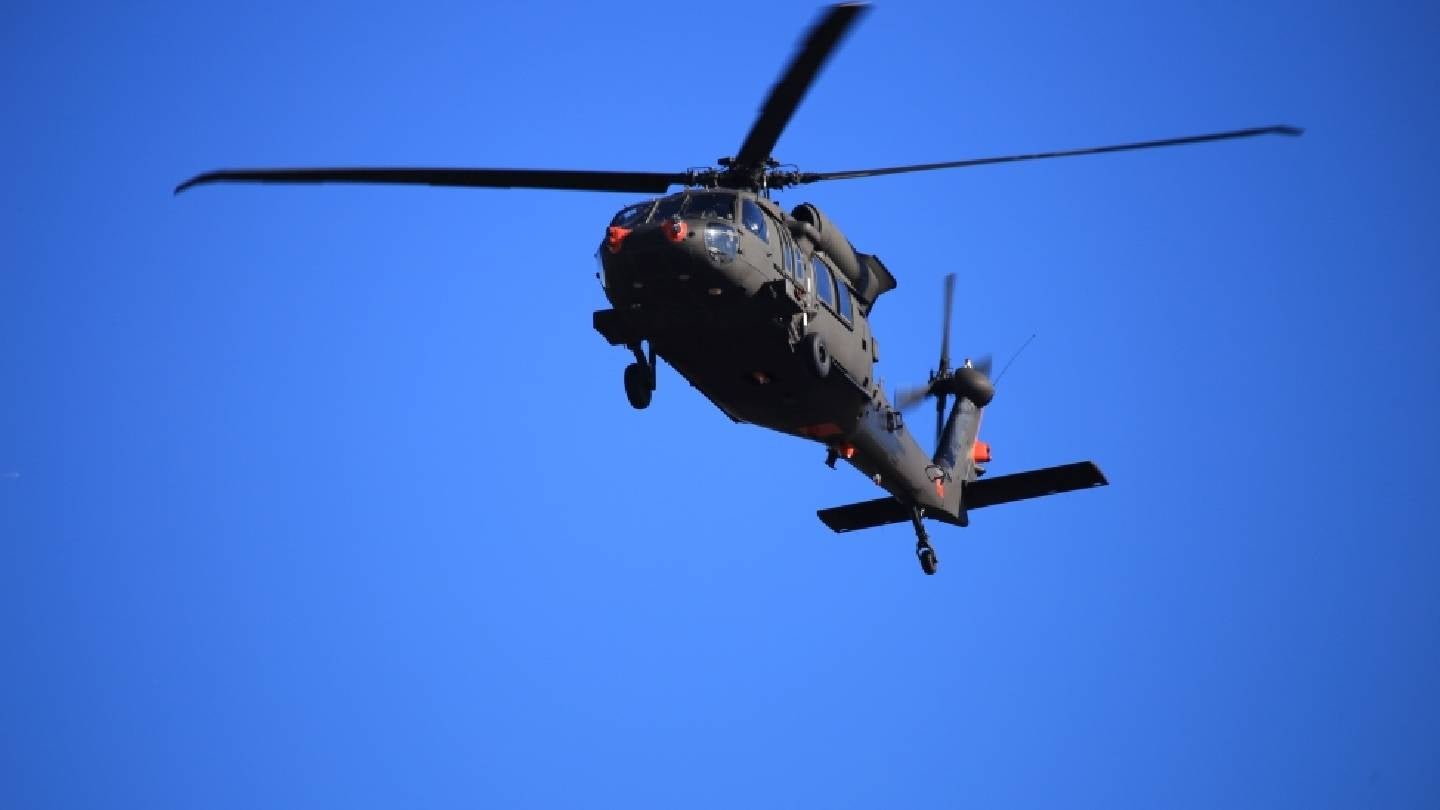
Northrop Grumman has secured a contract from the US Army for the second phase of development on the Improved Threat Detection System (ITDS).
The decision to award the contract follows earlier flight tests, where Northrop Grumman’s technology demonstrated effectiveness against alternative systems.

Discover B2B Marketing That Performs
Combine business intelligence and editorial excellence to reach engaged professionals across 36 leading media platforms.
Find out more
The ITDS incorporates the Advanced Tactical Hostile Engagement Awareness (ATHENA) sensor, which offers US Army pilots 360-degree situational awareness and can identify threats through the aircraft floor.
ATHENA’s capabilities include detection of hostile unmanned aircraft systems (UAS), loitering munitions, Electro-Optical/Infrared targeting, guided Man Portable Air Defense Systems (MANPADS), anti-tank guided missiles, as well as small arms fire and larger calibre weapons.
The system operates with an open systems architecture, allowing for rapid updates to accommodate new capabilities in response to evolving threats.
In addition, ITDS meets Future Airborne Capability Environment and Modular Open Systems Approach requirements, making it compatible with both current and Future Long-Range Assault Aircraft across the US Army’s rotary fleet.
Initial implementation will prioritise the MV-75 Cheynne II and AH-64 Apache.
According to Northrop Grumman, ATHENA meets current operational requirements and is positioned to identify future threats. It can serve as a direct replacement for existing aircraft sensors, integrating with countermeasure systems such as the Common Infrared Countermeasure system.
Northrop Grumman survivability development programmes director Trevis Crane said: “ITDS and the advanced situational awareness capabilities of its ATHENA sensor are vital for ensuring successful missions and safe returns.”

