

Malaysia’s Ministry of Defence has identified delivery schedule and ease of integration as key criteria in selecting a replacement anti-ship missile for the Royal Malaysian Navy’s Littoral Combat Ship (LCS) programme. This follows the enforced cancellation of a sale of Kongsberg Naval Strike Missiles (NSM).
Defence Minister Mohamed Khaled Nordin said the ministry is evaluating proposals from four suppliers from Turkey, South Korea and two European countries.
“We want to know who can supply the missiles earliest. Some are still developing their systems, but if the delivery timeline takes up to eight years, that’s not a viable option for us,” he told local media.
Other considerations include compatibility with the ships’ French-developed combat management system, as well as performance characteristics such as low observability and sea-skimming capabilities comparable to those offered by the NSM.
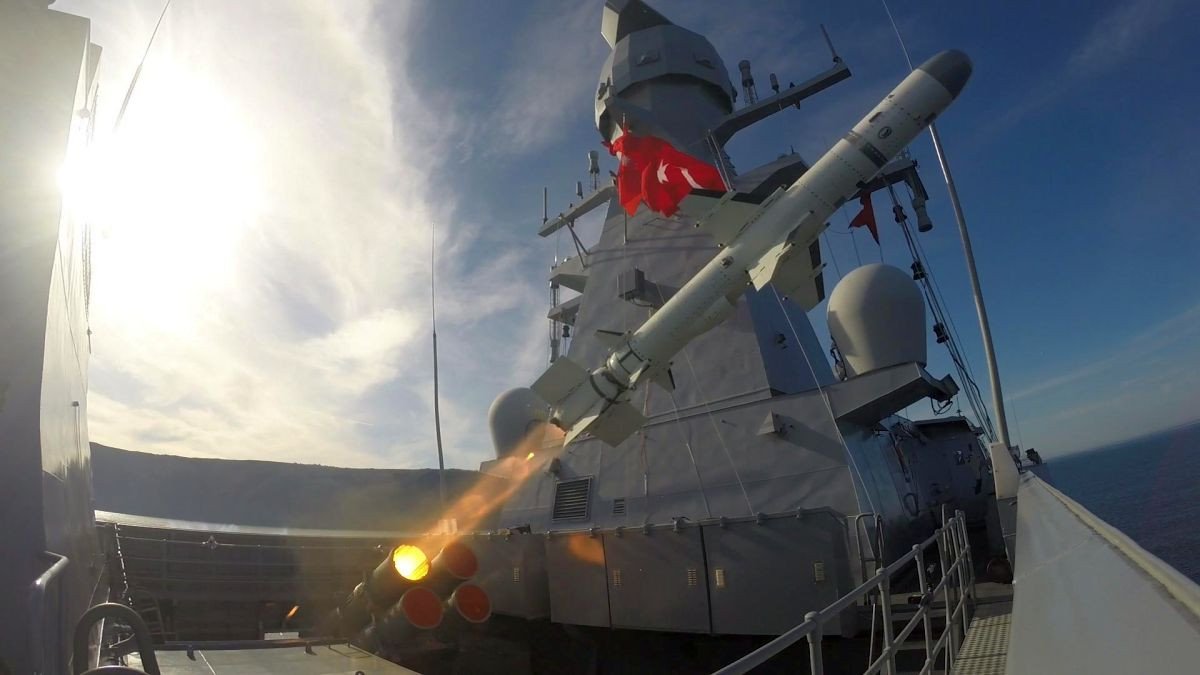
Although Khaled did not identify the contenders, likely candidates include Turkey’s Roketsan Atmaca, South Korea’s LIG Defense & Aerospace C-STAR, and MBDA’s Exocet.
The NSM had originally been selected to arm the delayed Maharaja Lela-class LCS vessels, with the lead ship now undergoing sea trials despite not yet being fitted with its anti-ship missile system.
Oslo cancelled the export following the introduction of new arms export restrictions that limit the transfer of certain defence technologies to selected partner countries.
Speaking on the sidelines of the Shangri-La Dialogue in Singapore in late May, Khaled said the muted response from Western countries to the decision risked sending a message that some nations were above international scrutiny and law.
Malaysia is seeking compensation of MYR1 billion (US$245.6 million) over the cancelled procurement.
Meanwhile, the LCS programme continues to make progress. Lumut Naval Shipyard has commenced block erection work on the fourth Maharaja Lela-class vessel, marking a key construction milestone as the ship’s primary hull structure begins to take shape.
by Chen Chuanren
