

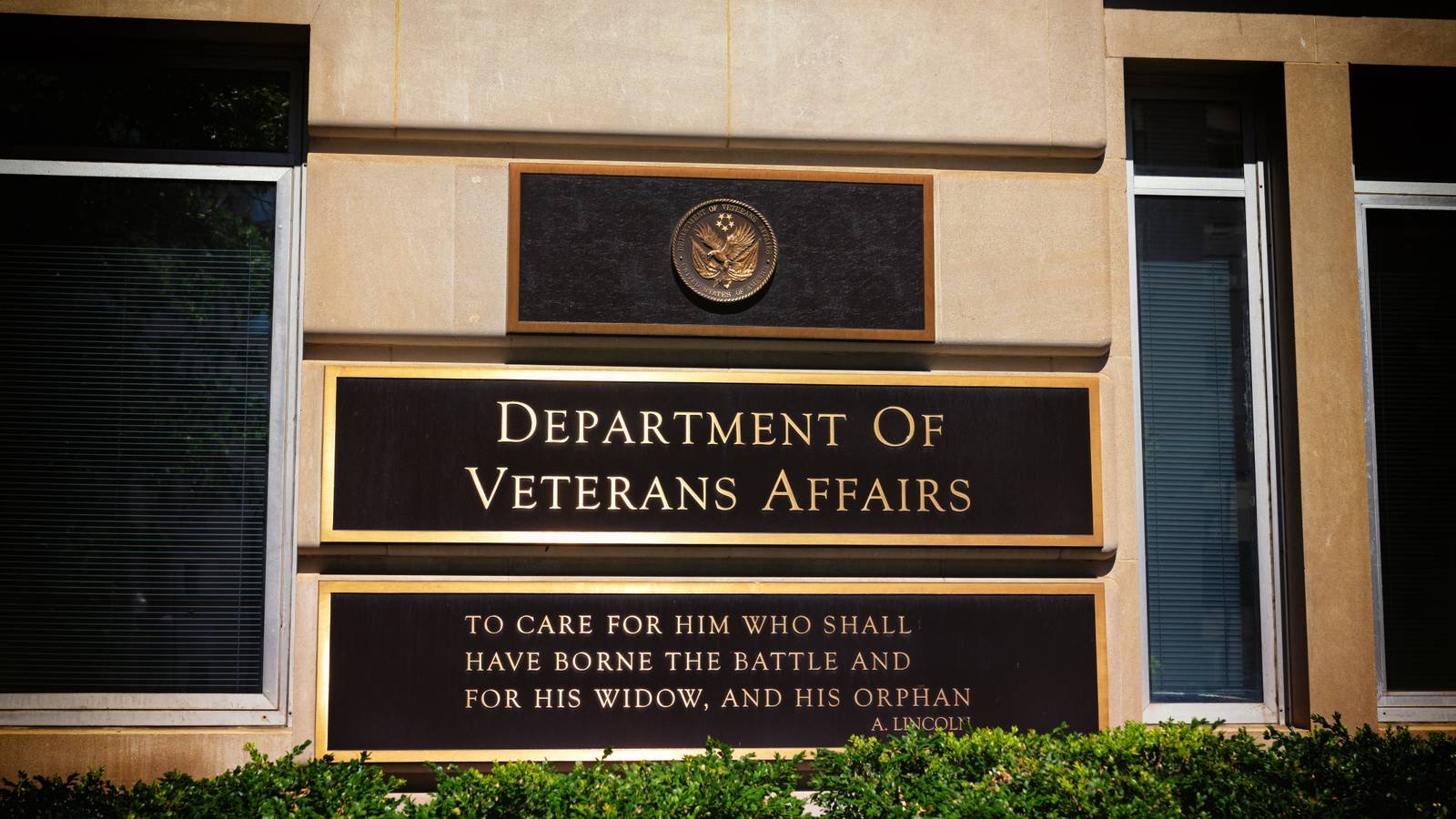
“Safe record-keeping, more healthcare organization and multi-state coordination is on the way from the U.S. Department of Veterans Affairs with its new Federal Electronic Health Record system for veterans.
The system is first rolling out in the state of Indiana, and soon nationwide, to give veterans an easier time accessing the healthcare they need. The system goes online at three Indiana VA hospitals starting Aug. 22, including at Roudebush in Indianapolis, and at VA centers in Fort Wayne and Marion, Ind.
Deputy Secretary of Veterans Affairs Dr. Paul Lawrence visited the Roudebush VA Medical Center on Thursday in Indianapolis, Ind., touting the new system as a game changer for veterans and the health care centers that care for them.
The biggest change is the transitioning of the current system ‘My HealtheVet’ directly into VA.gov, combining health records, prescriptions and secure messages into the same portal used for other VA benefits.
“What this does is it allows veterans not to have to search and bring information and records and carry it with them,” Lawrence told several news outlets, including Military.com. “We make it easier on them. We don’t lose tests now. We don’t ask them to provide information that they have already provided repeatedly.”
New System Will Track Veterans For Life
Officials said the new Federal EHR will contain veterans’ health records dating back to their time in the military, and will track all their medical care for life.
Lawrence said the system will also improve the way VA health care facilities operate by using a single patient portal, regardless of where veterans get their care. That enables veterans to manage appointments, check prescriptions, review disability benefits, and access records—all in one place.
He said it should ultimately lead to better care for veterans.
“Under the previous system, a veteran’s information didn’t transfer very well,” he said. “So, if you’re a veteran in Wisconsin and you go to Florida on vacation, and you got hurt and come to a VA hospital, we didn’t have your information.
“So, that led to a lot of veterans carrying around paper records, causing real problems for them and for the providers who needed to ask the same questions over and over again.”
The Federal EHR was beta tested at six hospitals nationwide before the Indiana rollout. All VA medical centers are expected to implement the system over the next five years.
“What I think veterans will see is fewer tests being ordered,” Lawrence added. “We’ll do them once, and we won’t lose the results. Also, patients will have more time talking with the doctors, as opposed to them just looking at their screens.
“Hopefully it will result in more conversations, and not just ‘what brings you here today.'”

In a statement posted on the VA’s website, Subin James, information technology program manager for the VA’s Electronic Health Record Modernization Integration Office, warned that veterans will have to navigate a transition period from the previous record-keeping system to the new modernized system.
James said some online services—including appointments, messaging, and prescriptions—will be paused or have limited access.
“With the successful decommissioning of the ‘My VA Health’ portal and the full transition to the unified VA.gov experience, veterans can now access both their medical and benefits information in one trusted location,” James said. “This is a significant milestone in VA’s journey to delivering a modern, veteran-centered digital ecosystem.”
Veterans Will See Challenges During Transition
To prepare for the transition, the VA recommends veterans do the following:
- Make appointments early. There may be fewer appointments available August through October, so be sure to make appointments early.
- Use secure messaging. If a veteran has a non-urgent question or request for your provider, try Secure Messaging through My HealtheVet. Use Login.gov or ID.me account to sign in.
- Refill and renew prescriptions early. Avoid potential pharmacy delays by making sure to refill and renew prescriptions ahead of time.
- Update contact information. Ensure name, email, phone number and address are up-to-date in your VA profile. Sign in using your Login.gov or ID.me account to confirm your information.
Lawrence said he is aware of concerns about security and the possibility of hackers, but said the system will have two layers of security: one built in by the system’s developer, Oracle, and another developed by the VA itself.
Lawrence also said the V.A. will not use AI for medical decisions.
“The one thing we’d ask is for the patient to be patient,” Lawrence said. “The full record might be a little bit longer while we just double-check the details, especially the medicine. But all the information will transfer, and all the medical information will transfer in a safe and secure way.”
