

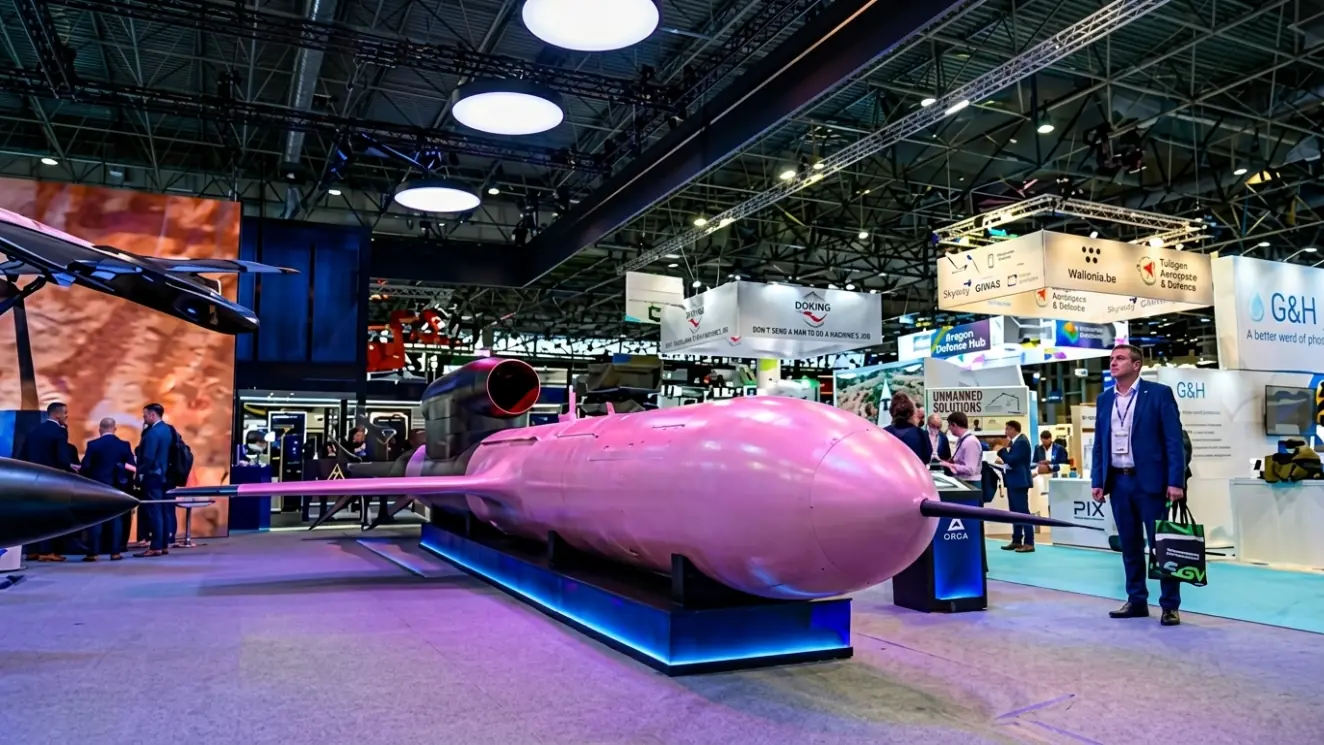
Defense Feeds, Berlin – The FP-5 Flamingo cruise missile is emerging as one of the newest long-range strike solutions proposed for future military operations, with German defense company Diehl Defence highlighting the weapon as a potential option capable of supporting Ukraine’s growing demand for precision deep-strike capabilities.
The system reflects a broader trend across Europe toward developing affordable and flexible long-range weapons designed to engage strategic targets while reducing reliance on expensive missile inventories.
As European nations continue assessing lessons from the war in Ukraine, long-range precision strike systems have become a key area of investment, reshaping military modernization priorities across the continent.
Diehl Defence Positions New Missile for Modern Strike Requirements
Diehl Defence introduced the FP-5 Flamingo cruise missile as part of its effort to expand Germany’s portfolio of advanced precision-guided weapons. The missile is designed to provide armed forces with a cost-effective strike capability against targets located far behind enemy lines.
Recent combat operations have demonstrated the strategic value of long-range weapons capable of disrupting logistics hubs, command centers, ammunition depots and critical military infrastructure. These systems allow commanders to influence battlefield conditions without committing aircraft or ground forces to heavily defended areas.
The FP-5 Flamingo is intended to address that operational requirement by combining extended reach with precision guidance. According to the company, the missile has been developed with a focus on affordability and scalability, factors that have become increasingly important as militaries seek to maintain large stockpiles of precision munitions.
Its unveiling also highlights the growing role of European defense manufacturers in developing indigenous strike systems capable of meeting future NATO and allied requirements.
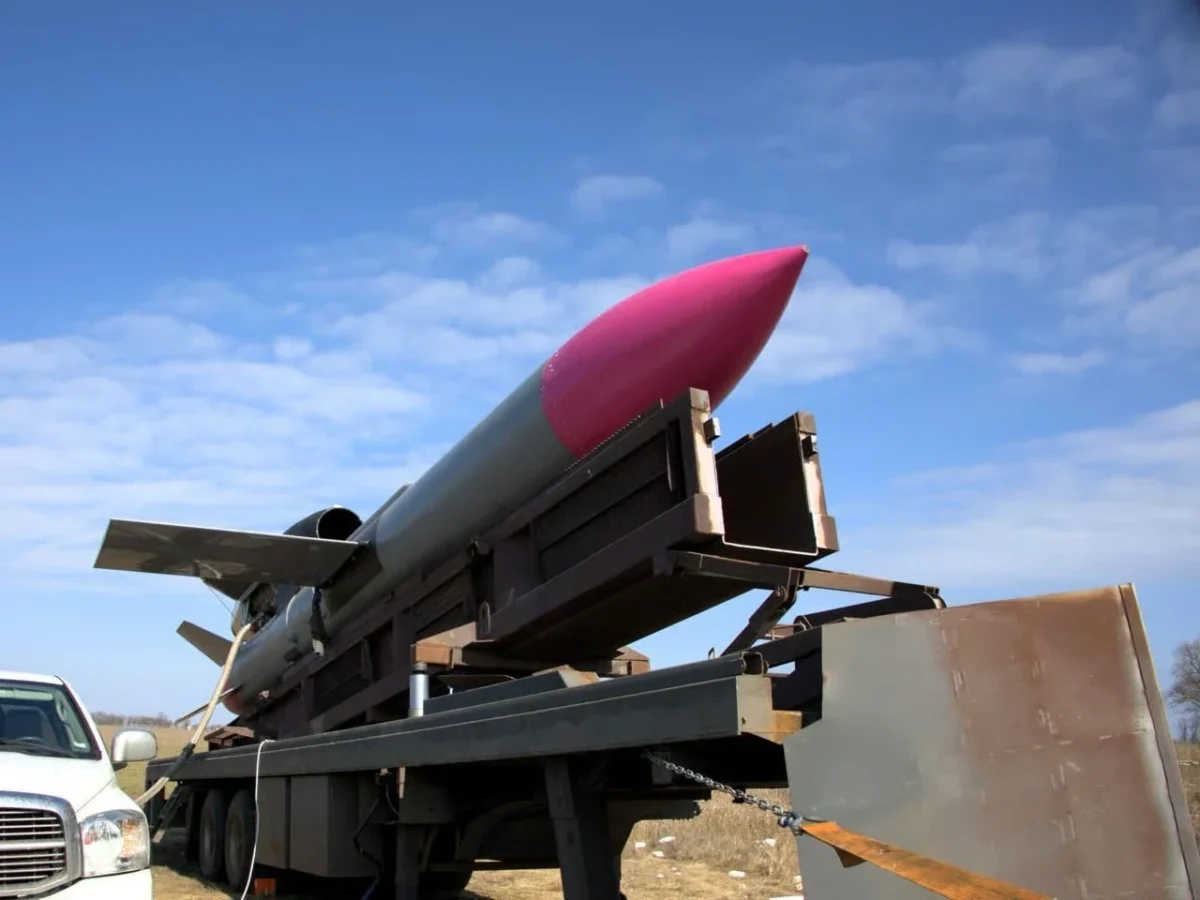
Designed to Deliver Precision Effects at Long Range
The FP-5 Flamingo cruise missile is designed as a deep-strike weapon capable of engaging targets at significant distances while maintaining high levels of accuracy. Cruise missiles remain highly valued because they can fly at low altitudes, follow complex flight paths and reduce exposure to enemy air defenses.
Unlike ballistic missiles, cruise missiles are generally capable of adjusting their flight routes throughout a mission, making them difficult to predict and intercept. This flexibility enhances their effectiveness against defended targets and increases mission success rates.
The growing demand for such systems has been driven in part by the extensive use of long-range precision weapons throughout the conflict in Ukraine. Both sides have demonstrated the importance of striking logistics networks and command infrastructure located well behind frontline positions.
For military planners, weapons like the FP-5 Flamingo offer the ability to conduct strategic attacks without requiring immediate control of contested airspace. This capability is increasingly important as advanced air defense systems become more widespread.
The missile’s development also reflects efforts to provide a more sustainable solution for long-term military operations, where the cost of precision weapons can significantly influence force readiness and procurement decisions.
Strategic Significance for European Defense and Ukraine
The FP-5 Flamingo cruise missile arrives at a time when Europe is accelerating investment in indigenous defense technologies and long-range strike capabilities. The war in Ukraine has underscored the importance of maintaining sufficient stocks of precision-guided weapons while reducing dependence on external suppliers.
For Ukraine, access to additional long-range strike systems could enhance its ability to target military infrastructure, logistics hubs and operational support facilities beyond the immediate front lines. Such capabilities have become increasingly important as both sides seek to disrupt supply chains and command networks.
From Germany’s perspective, the development of new cruise missile technologies supports broader efforts to strengthen Europe’s defense industrial base and expand indigenous weapons production. European governments are placing greater emphasis on building domestic capabilities that can respond quickly to future security challenges.
The FP-5 Flamingo also demonstrates how defense manufacturers are adapting to changing battlefield requirements. Affordability, production scalability and operational flexibility have become just as important as raw performance in modern weapons development.
As military demand for long-range precision strike systems continues to grow, the FP-5 Flamingo could become part of a new generation of European-made cruise missiles designed to support both national defense requirements and allied security objectives.
Its development reflects a broader shift toward strengthening Europe’s ability to produce advanced strike capabilities capable of addressing the evolving challenges of modern warfare.
