

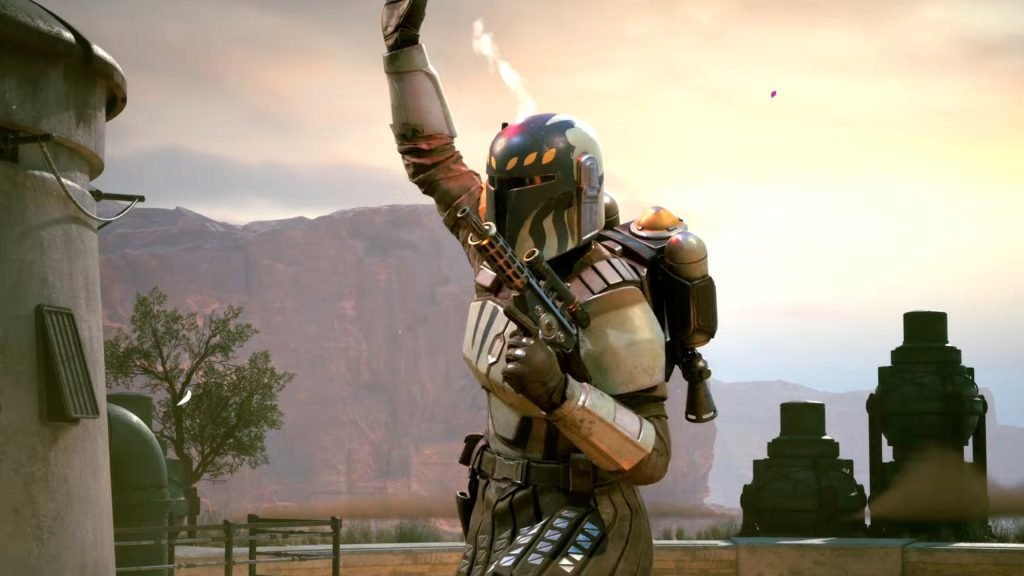
Star Wars Zero Company has relationship systems, combat synergies, and permanent death. But making a squad mechanically valuable is not the same as making players care about the people inside it.
A squad can be perfectly constructed and still feel completely disposable.
The sniper occupies the high ground. The medic remains close enough to reach anyone who falls. The heavy controls the central lane, while the fastest Operator flanks whatever survives the first attack.
Mechanically, everything works.
Then one of them dies, and the player’s first thought is not grief. It is whether a replacement can inherit the same equipment.
Star Wars Zero Company appears determined to prevent that reaction. Operators form relationships, support one another in combat, unlock permanent bonuses through stronger Bonds and can die permanently. As Turn Based Lovers’ detailed overview of how Zero Company plays explains, Bit Reactor has connected many of its tactical systems directly to the people using them.
The challenge is no longer whether the squad matters mechanically. It is whether the squad will matter emotionally. For that, Zero Company could learn something from a Star Wars game released more than 20 years earlier.
Republic Commando Never Needed a Relationship Meter
Star Wars: Republic Commando did not contain a Bond system. Delta Squad did not earn permanent stat bonuses because Sev and Scorch had completed enough missions together. There were no dialogue choices determining whether Fixer approved of Boss’ leadership.
The game had something simpler: four clearly defined characters who constantly demonstrated what they meant to one another.

Boss led the squad. Fixer handled technology and approached every assignment with professional restraint. Scorch treated dangerous situations as opportunities for jokes and explosions. Sev was the hunter, always happiest when a target was unfortunate enough to wander into his sights.
Their battlefield roles reinforced those personalities.
The result was a squad players could understand immediately without opening a relationship screen. As our historical retrospective on Republic Commando explores, its greatest achievement was not simply adding tactical commands to a first-person shooter.
It made Delta Squad feel like a unit whose members had spent years learning how to function together. They did not explain their bond. They performed it.
Small Acts Matter More Than Big Speeches
Delta Squad became memorable through repetition. A squadmate acknowledged an order. Someone complained about being assigned another demolition task. Sev enjoyed his work slightly too much. Scorch made a joke while the squad was surrounded.
When someone went down, the others could revive him. If Boss fell, hearing a squadmate respond and fight towards his position made the relationship feel practical rather than decorative.
These interactions happened while the player was already under pressure.
That matters because companionship in games is often most convincing when it interferes with the plan. A character becomes more than a combat role when saving them requires abandoning a safe position. A revival matters because another squadmate must cross open ground.

Turn Based Lovers’ essay “Existential Tactics: Dissecting the XCOM-like” captures why these moments work so well. A procedurally generated soldier can become irreplaceable after surviving enough battles, even when the game never wrote a traditional character arc for them.
The player remembers the missed shots, narrow escapes, and reckless decisions that kept them alive. Republic Commando created that attachment through authored characters and constant battlefield behavior.
Zero Company must create it for both authored companions and player-built soldiers.
Zero Company Already Has the Right Foundation
When TBL covered the first official reveal of Star Wars Zero Company, the central promise was already clear: a former Republic officer leading an unconventional squad through a grounded Clone Wars campaign built around battlefield positioning, customization and difficult choices.
The systems revealed since then go considerably further.
Every Operator tracks relationships with the others, and those Bonds may begin as neutral or negative. Fighting together, completing Operations, and using support abilities can strengthen them. Higher Bonds unlock Cross Training bonuses and eventually special passive abilities.
That is a strong tactical foundation because relationships alter how the squad performs. Trick and Luco do not simply become friendlier during conversations. Developing their partnership can make them more effective when deployed together. Decisions at the Den can also affect how Operators view Hawks and one another.
The danger is that players begin treating Bonds primarily as another resource.
When sending two Operators together produces a desirable bonus, their relationship can become a build to optimize. The emotional question of whether they trust one another risks becoming secondary to whichever passive ability appears at the end of the progression track.
The system must create behavior, not merely rewards.
The Den Must Become More Than a Menu
Between missions, players can explore the Den in third person, speak with their squad, manage injuries, and make decisions that affect relationships. It is an opportunity to show how the previous mission changed the survivors.

That distinction is important. A conversation should not feel detached from combat simply because it happens back at base. An Operator who was nearly killed might respond differently to the person who rescued them. Two characters who repeatedly support one another should begin behaving like people with shared history.
Delta Squad carried its relationship onto every battlefield through dialogue and reactions. The Den can allow Zero Company to carry the battlefield back into its quieter moments.
The strongest conversations will not merely tell players who the Operators were before joining the company.
They will acknowledge who those Operators are becoming during this particular campaign.
Custom Operators Create a Different Problem
Delta Squad had one major advantage: every member was fixed. Their appearances, voices, roles and personalities were written by LucasArts. Players could not replace Scorch with a custom demolition expert named Kevin because Kevin had rolled slightly better statistics.
Zero Company combines authored characters with customizable Operators. Players can choose their appearance, voice, name, equipment, and combat specializations. That freedom is exciting, but it creates an emotional design problem.

Authored characters can have specific histories, conflicts, and dialogue. Custom Operators must become meaningful through the campaign’s events.
Their identities may emerge from injuries, rescues, missed shots and unlikely victories rather than scripted scenes. The supposedly replaceable recruit who survives three disasters may become more important to the player than the companion with the most dialogue.
The game therefore needs enough reactive detail to recognize those histories. A memorial can record the dead. The harder task is making the living remember them.
Permadeath Only Matters After Attachment
Operators can be downed, injured, and eventually killed permanently. Authored characters are not automatically protected from that fate. That sounds severe, but permadeath alone does not create emotion.
A character must first become someone the player cannot easily imagine replacing. Republic Commando demonstrated this without allowing its central squad to die permanently during ordinary play. When Delta Squad was separated, injured, or placed beyond immediate reach, the threat worked because the game had already established their value through hours of shared behavior.
Zero Company must perform the same work before asking players to accept permanent loss. The most painful death should not necessarily belong to the Operator with the rarest ability. It should belong to the one whose absence changes how the squad feels.
The Fighting Must Shape the Relationship
Star Wars has always been good at groups built from incompatible people. A princess, a smuggler, a farm boy, two droids, and a walking carpet do not become memorable because their abilities create an efficient party composition. They become memorable because they argue, rescue one another, and gradually learn how to function as something resembling a family.
Zero Company clearly understands that relationships should affect tactics. Its Bond system, support abilities, and permanent consequences are designed to make the people inside the squad influence how it fights.

Republic Commando’s lesson is that the reverse must also be true. The fighting must shape the relationship.
The ideal outcome is not merely that two Operators unlock a better ability after completing enough missions together. It is that the player remembers the mission where their relationship changed: the failed ambush, the desperate revival, or the impossible shot that kept both of them alive.
Turn Based Lovers has placed Zero Company among the major turn-based RPGs and strategy games arriving before the end of 2026, and the expectations are understandably high. Bit Reactor has more sophisticated relationship systems, greater player choice, and far more campaign variation than Republic Commando ever attempted.
Within the complete history of Star Wars video games, however, Delta Squad remains one of the franchise’s most beloved teams despite appearing together in only one main game.
Zero Company now has to prove that when an Operator dies, players will not immediately start calculating the cost of a replacement. They will miss them.
