


With protein’s popularity at an all time high, it’s expected that companies and brands will maximize the high demand for protein products by releasing every variation of protein supplement that you can think of, and they have. While that means that there’s almost definitely an option out there for every kind of buyer, it also makes the process of choosing the best protein supplement that much harder.
Amidst all the noise and fast-paced development in the protein industry, let’s strip away the fancy packaging and aesthetic marketing, and take it all back to the basics. How can you find the best whey protein powder, and what qualities should you really be on the lookout for?
Protein Content Per Serving
Still perhaps the most significant consideration would be how much protein you’re actually getting. Remember that nutrition experts recommend at least 0.8g of protein per kilogram of bodyweight per day just to prevent deficiency. It’s a completely different story for growing muscle, building strength, and losing fat.
Most products contain between 20g to 30g of protein per scoop which is often enough to stimulate muscle growth and repair after a workout. But there’s more to consider than just how much protein is in each scoop.
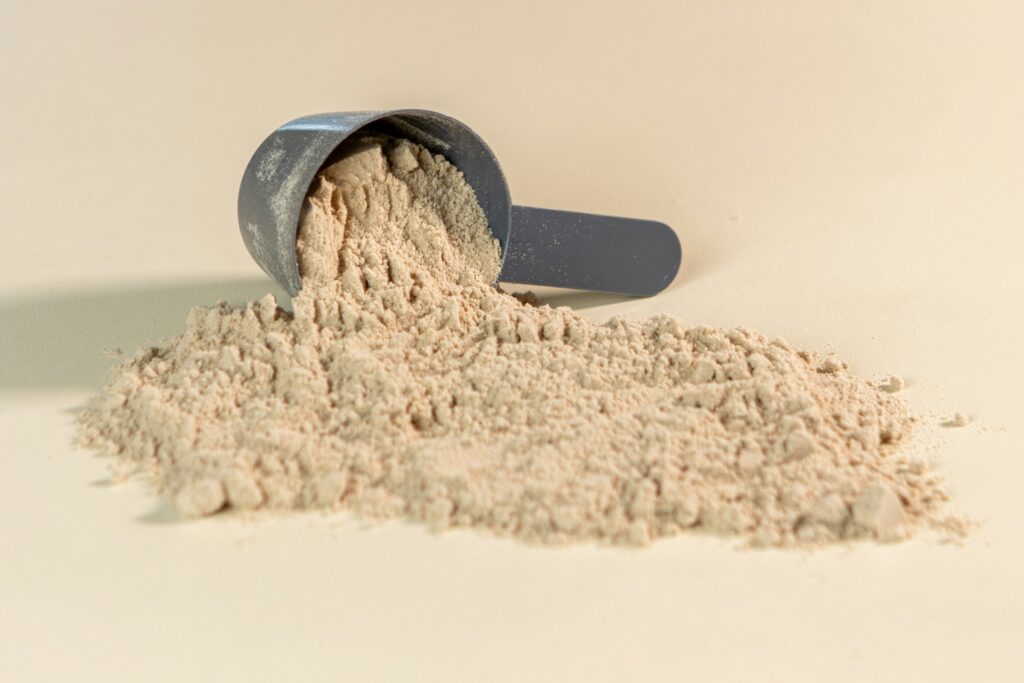
Watch out for protein supplements that have large serving sizes with relatively little protein. For instance, if a single scoop weighs 40g but only provides about 18g of protein, that’s likely just chocked full of filler, with most of the remaining weight composed of carbohydrates, fats, fillers, and flavorings.
As a general rule, you’ll want to look for protein powders that have a higher percentage of protein relative to the weight of each scoop. To put that into perspective, a 30g scoop with 22g of protein would be much better than a 40g scoop with 20g of protein.
Protein Padding
Also called ‘amino acid spiking’, this is a practice that allows brands to ‘cheat’ the labels and indicate a higher protein content than the product actually contains. Remember that proteins are made up of amino acids.
So when companies cushion their formulation with a bunch of extra amino acids like glycine or taurine, this increases the measured nitrogen content in the product, making it appear to contain more protein than it actually does.
Reputable brands that sell the best whey protein powder will not engage in these practices, but some companies will go this low. Make sure to read the labels; if free-form amino acids are high on the ingredient list, then the product might not actually contain as much whole protein as it advertises.
Type of Protein Supplement
Not all whey products are made the same way. There are three primary forms and all of them have their own pros and cons. Choosing the right one for you ultimately depends on your preferences and goals.
The most common protein supplement, whey protein concentrate contains between 70-80% protein, are easily accessible, and typically cost less than other supplements. This is produced as a byproduct of milk production, so it contains some carbs, lactose, and fat.
Concentrate typically has a creamier taste that’s easier on a sensitive palate, but it can upset the gut for someone who’s lactose-intolerant. Whey protein concentrates prove to be an excellent protein source that’s great for active adults and average gym-goers.
Put whey protein concentrate through a few extra steps, and you get whey protein isolate. This option has much less carbs, fats, and lactose, making it a suitable choice for those with a sensitive gut.
Generally, isolates also contain as much as 90% of protein or higher, so it’s generally chosen by highly active adults or professional athletes.
This protein supplement is partially broken down into smaller peptides, allowing for faster digestion. Most of these products are used for specialized sports nutrition and they’re bitter in taste and far more expensive.
If you’ve got dietary restrictions (like veganism), then you might want to consider plant-based protein supplements. Instead of using milk, these products source protein from:
- Split peas
- Soy
- Brown rice
- Hemp
- Pumpkin seeds
- Sunflower seeds
- Fava beans
Keep in mind that they might not be as dense as milk-based protein supplements, but some companies combine a variety of plant-based protein sources to produce a complete amino acid profile.
Taste, Texture, and Added Ingredients

Companies have come a long way in perfecting the taste and texture of protein powders. While they used to taste like straight-up dirt, the choices available on the market today have a more tolerable flavor and texture that allows a more enjoyable experience.
That said, watch out for formulations that add too many ingredients in favor of flavor. Sugars, artificial sweeteners, added flavors, and fillers may make the powder more agreeable to your palate, but they can also bump up the calories and add unwanted carbs to the mix.
Third-Party Testing
Here’s one thing that you shouldn’t overlook. Companies that send their products to labs for third-party testing give buyers a greater assurance of quality. These tests make sure that the labels represent what the products actually contain, and they guarantee that there aren’t any contaminants or banned substances in the products you’re getting.
Some of the most respected testing organizations include:
- NSF Certified for Sport
- Informed Sport
- Informed Choice
- USP Verified
Of course, the seal doesn’t necessarily mean that the product in your hands is superior to other choices, but it does demonstrate a higher level of quality assurance.
Whey Protein Powder – Simplified
Yes, the choices on the market these days can make the supposedly simple process of choosing a protein powder that much more complicated. But if you look for just the basics, you should be able to find the best protein powder sans the stress.
And if you still haven’t, consider checking True North Protein for some of the highest rated whey protein powder choices available. Offering a wide variety of flavors, types, and protein package sizes, True North makes your protein habit something to look forward to.
