

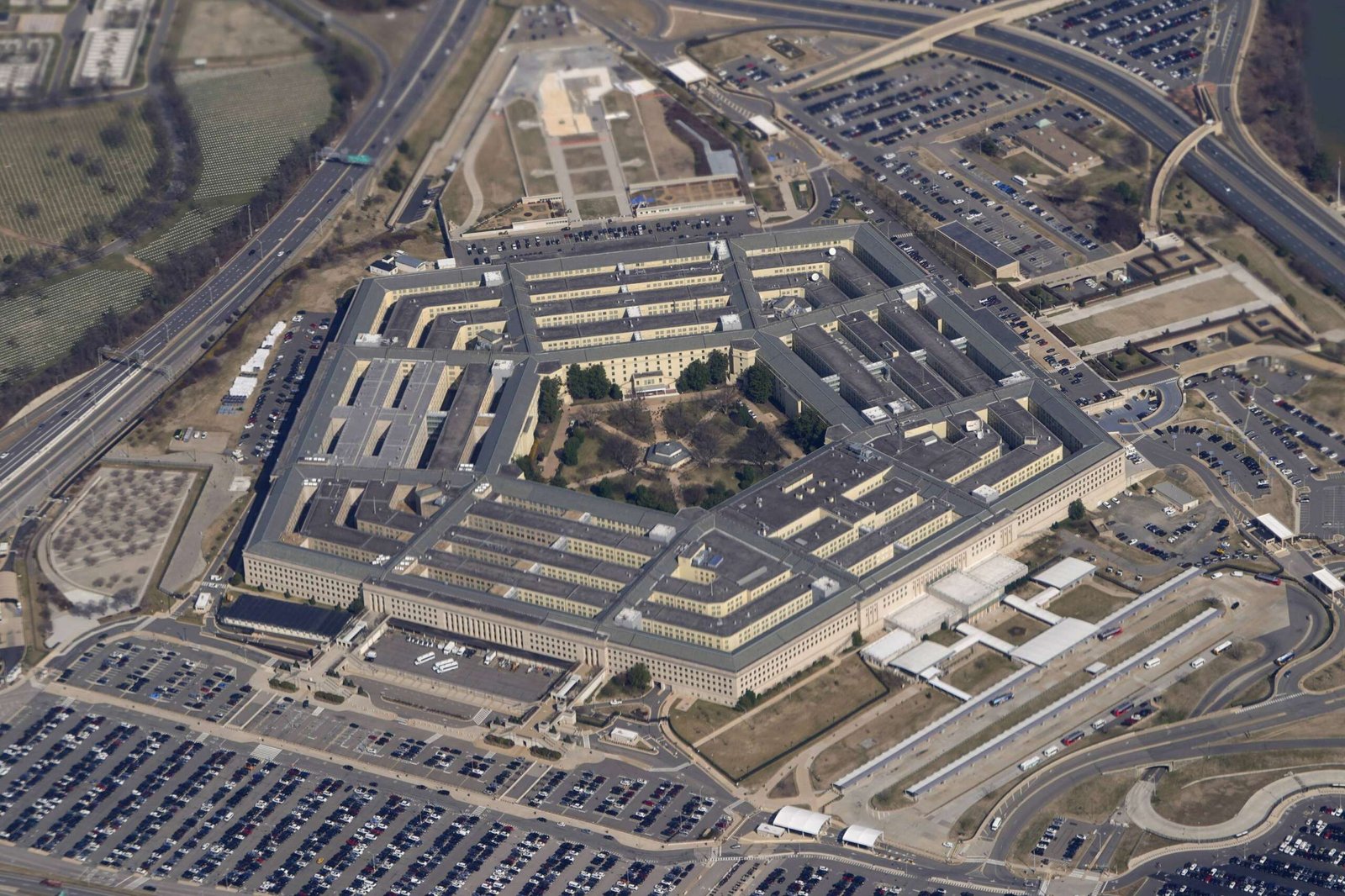
2025 was a banner year for defense acquisition reform, adding to more than five decades of acquisition overhauls. But acquisition reform is not just about changes in statutes and organizational structures. Reforms will succeed or fail based on the relationship between the two institutions responsible for creating and implementing these changes: Congress and the Pentagon.
Unfortunately, communication between Congress and the Pentagon has been strained and uneven for decades. The relationship resembles an extended family that only sees one another at weddings and funerals. Because interactions are infrequent and high stakes, misunderstandings and grievances accumulate over time and threaten to tear the family apart.
If acquisition reform is to succeed, particularly by streamlining regulations and improving flexibility, the Defense Department and Congress need to become more like an extended family with an active group chat and regular barbecues. They need more continuous information-sharing and more opportunities to engage outside moments of crisis.
Estranged: Communication between the Pentagon and Congress
The average American would likely be shocked — and concerned — to learn how limited communication often is between Congress and DoD.
As a recent military legislative assistant for a member of the House Armed Services Committee, I’ve observed that senior military and acquisition officials primarily come to Congress on two occasions: annual budget and posture hearings, or during major crises or acquisition failures such as a Nunn-McCurdy cost or schedule breach. These are the weddings and funerals of acquisition policy. Congress usually sees the Pentagon either at its most prepared or at its most embarrassed.
These interactions therefore often become exercises in assigning blame. Congressional staff and members are frequently frustrated by the lack of visibility into acquisition decisions, and Pentagon officials often interpret the criticism as being judged out of context. No one comes out of those situations feeling understood or respected.
Defense fellows and legislative liaisons do provide regular connections to Congressional offices. However, these relationships are largely individual rather than institutional and therefore don’t translate to building long-term trust among the high-level decisionmakers on either side of the institutional divide.
Congress also relies on several slow and cumbersome communication processes to ask the Pentagon for information. When informal methods like email or phone calls don’t work, members and staffers resort to formal letters to demand information of the Pentagon. When letters fail to satisfy, Congressional questions can become requirements for reports and briefings in the annual National Defense Authorization Act. A 2019 “Report on Reports” calculated that DoD was responsible for answering thousands of active Congressional reports. Each report takes significant effort to produce and can disappear into an “abyss,” never to be seen or used again, due to a lack of modern information sharing and tracking tools.
Neither side is solely responsible for this dynamic. The Pentagon often hesitates to share sensitive or pre-decisional information with Congress unless the information is vetted and controlled. And Congress sometimes leaks information embarrassing to DoD when members believe that information should be public. Even though these issues are not truly the norm on either side, each high-profile incident reinforces mistrust and makes communication more rigid.
Why trimming process won’t fix the family in the long run
As estranged as the two sides of the family can be, the Pentagon and congressional defense authorizers did agree on a slew of new acquisition reforms in 2025. They got rid of process like the Joint Capabilities Integration and Development System (JCIDS), raised statutory thresholds so that fewer programs had to fulfill the most rigorous reporting requirements, and are streamlining hundreds of provisions out of the Federal Acquisition Regulation.
These changes are necessary, but not sufficient.
Acquisition rules accumulate as each layer of government adds safeguards to avoid risk. The accumulation has happened countless times, including in the very processes — JCIDS and the FAR — that are being streamlined today. If policymakers just trim process without building trust between stakeholders, the processes being trimmed today will simply re-accumulate over the next 10 or 15 years.
Furthermore, several key reforms the Pentagon desires have been stalled by key congressional stakeholders: the appropriators. The appropriations committees drive the power of the purse in which programs get funded and decide how much budget flexibility to allow the Pentagon. If the appropriators do not trust DoD, they will not grant the flexibility that acquisition reformers are calling for.
Building consistent communication
The solution is not simply more letters, more reports or more hearings. Those approaches amount to more weddings and funerals, meaning more frustration and more burden without a real increase in the information flow.
Instead, Congress and the Pentagon should invest in new paradigms for trust building and communication that provide continuous visibility into acquisition activities and encourage regular interaction during normal operations.
One option would be to create a short-term Hill staffer inverse to the Defense Fellows program, allowing Hill staffers with clearances to sit in a Pentagon acquisition office for a week to witness firsthand the kinds of constraints and decisions the executive branch faces on a daily basis. In turn, a larger number of military personnel and DoD civilians than the select few in year-long fellowships could participate in temporary (days- or weeks-long) exposure to the congressional environment.
Furthermore, Congress and the Pentagon should implement a recommendation by the Programming, Planning, Budgeting, and Execution (PPBE) Reform Commission to “Establish Classified and Unclassified Communication Enclaves” to improve communication between the two institutions. The joint explanatory statement on the final Fiscal Year 2026 NDAA directed the Secretary of Defense to submit a report on the cost, schedule and implementation plan for establishing the communication enclaves recommended by the commission.
Modern communication technology, including technology enabled by application programming interfaces (APIs) and artificial intelligence, is essential to making these enclaves work. A massive improvement could be made through a live, updatable system that allows Congress to access unclassified information typically found in budget justification books — currently PDFs that include thousands of pages of program data. And an automated system to track and access off reports could help stop them disappearing into the “abyss” and reduce the time and labor that congressional and Pentagon staff currently spend trying to track, follow-up on and update reports.
This could transform how Congress and the Pentagon understand each other and share information, making the relationship more secure, flexible and responsive to threats and challenges.
Some will say that the tensions between Congress and the Pentagon are more fundamental than simple miscommunication, with conflicting structures baked into the Constitution. This is true: Congress is electorally incentivized to push conversations out to the public and the Pentagon must protect sensitive national security information.
The goal is not to eliminate these differences. It is to ensure that both sides understand them, so that they know when issues are driven by conflicting institutional incentives and not, as often gets assumed today, by bad faith or incompetence.
Any efforts to delegate authority and streamline regulations are going to fail in the long run without an infrastructure that supplies enough transparency and feedback to cut through the mistrust and build deeper understanding. Building this infrastructure will take years, and it cannot begin until the problem is acknowledged. It also requires concerted effort to rebuild the “family ties” and repair relationships between those responsible for putting acquisition reform into practice.
Someone, in Congress or the Pentagon, will have to make the first move.
Robin Dickey is the director of policy and government affairs at Slingshot Aerospace. She previously served as a military legislative assistant for a senior member of the House Armed Services Committee in the U.S. House of Representatives and as a space policy analyst at the Aerospace Corporation.
Copyright
© 2026 Federal News Network. All rights reserved. This website is not intended for users located within the European Economic Area.
