

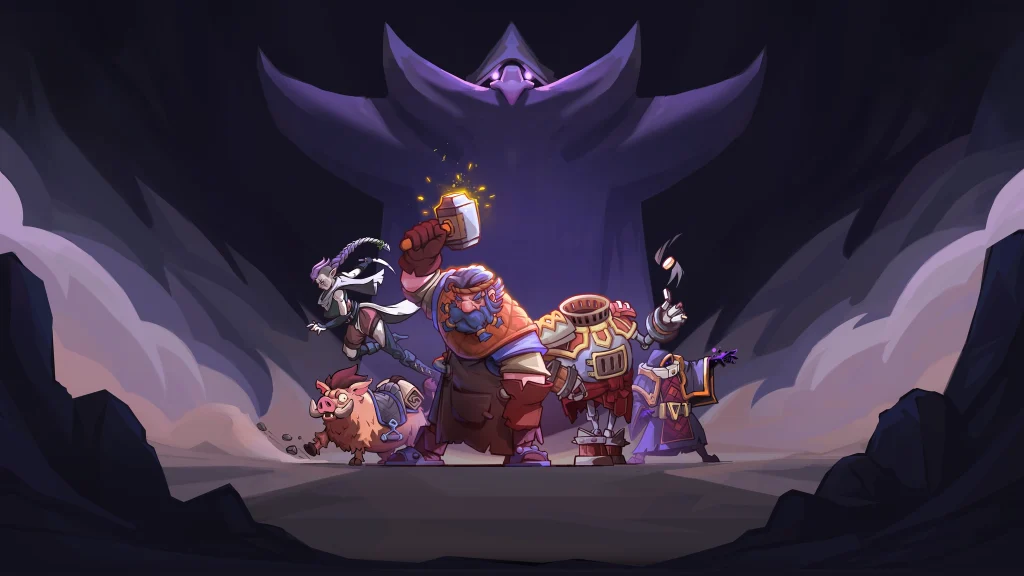
I’ll admit I underestimated Indie Quest 2026, or rather, I didn’t really have the chance to spend much time with it, but I have to say, there were plenty of interesting announcements. Another one that stood out was RuneSmith, revealed by Terahard Studios, a turn-based tactical RPG centered on dwarven grudges, rune crafting, tavern brawls, and delightfully chaotic status-effect chains.
The game’s first trailer premiered during the Indie Quest 2026 Showcase on May 29, together with the launch of its Steam page.
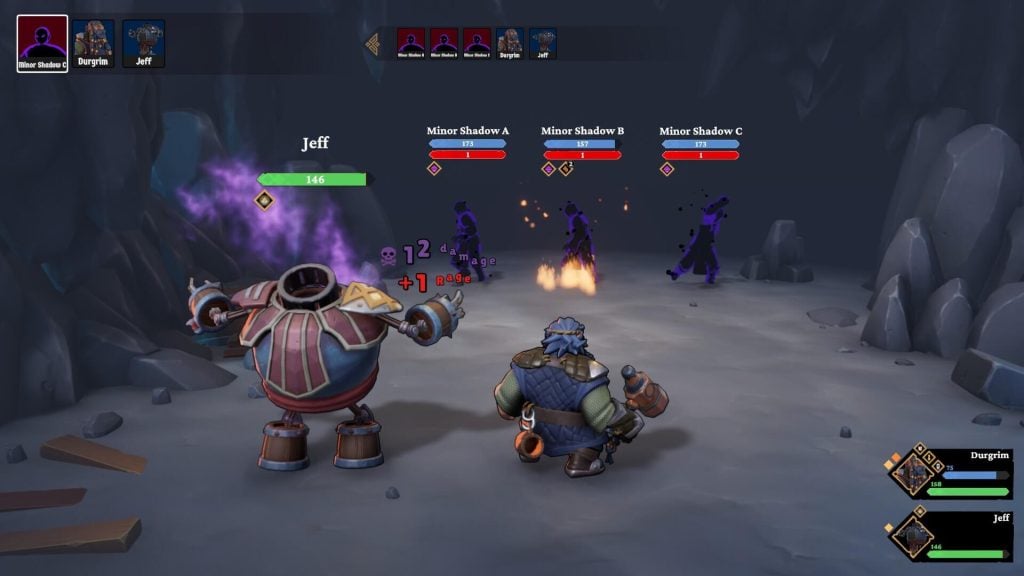
RuneSmith follows Durgrim, a dwarf blacksmith who has every reason to be angry. A powerful summoner is threatening the world, but Durgrim has a more personal motive for joining the hunt.
The villain still owes him a coin. That small act of unpaid business becomes the spark for a fantasy RPG where saving the world is almost secondary to settling a debt.
The game leans hard into dwarven fantasy, but not in a stiff or overly serious way. Durgrim forges weapons, engraves unstable runes, drinks too much ale, brawls in taverns, recruits dubious companions, and heads into mines, ruins, dungeons, and monster-filled places with a clear sense of purpose. He is not a noble chosen one. He is a blacksmith with tools, grudges, and very little patience.
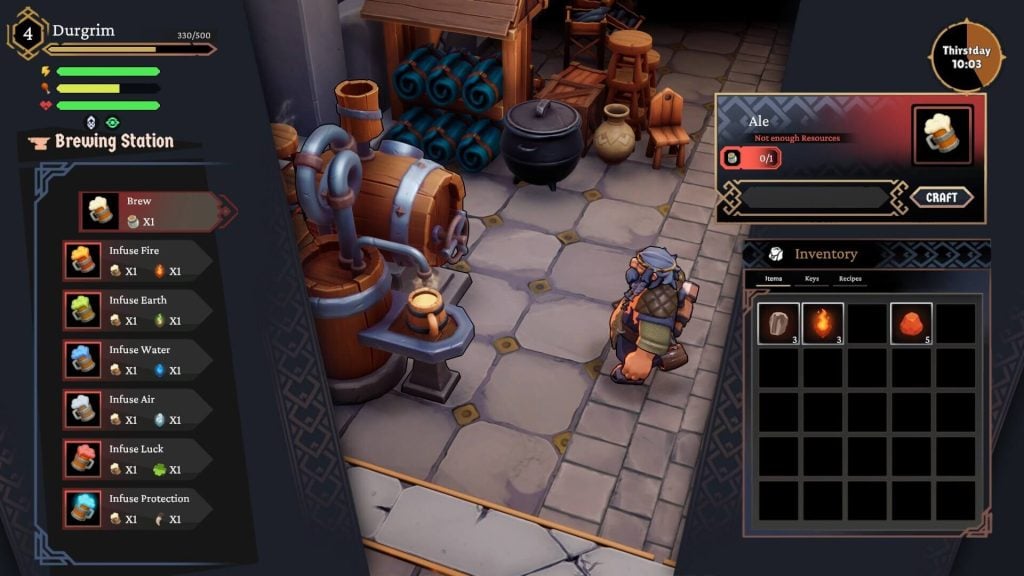
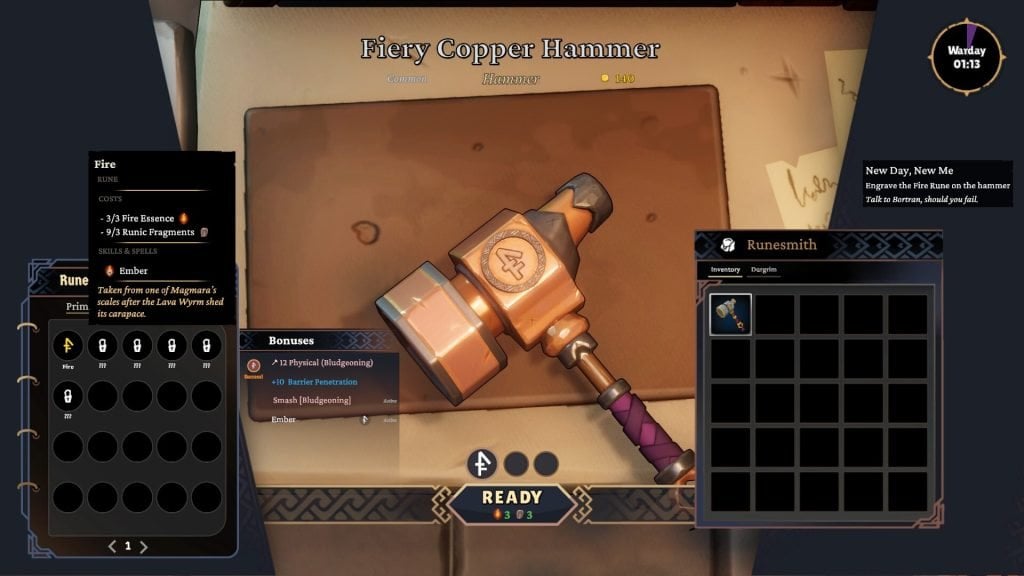
At the center of RuneSmith is its crafting system. Players forge weapons, armor, and trinkets, then modify them through rune engraving.
These runes are not simple stat upgrades. They can change how items behave in combat and interact with one another, creating chains of effects that can turn a fight in unexpected directions. A harmless fog cloud, for example, can become dangerous when poison enters the mix.
RuneSmith uses turn-based tactical combat, but its battles are built around experimentation. Status effects can combine, escalate, or backfire. The announcement makes it clear that players are meant to test strange rune setups, create risky builds, and deal with the consequences when a clever idea becomes a battlefield problem.
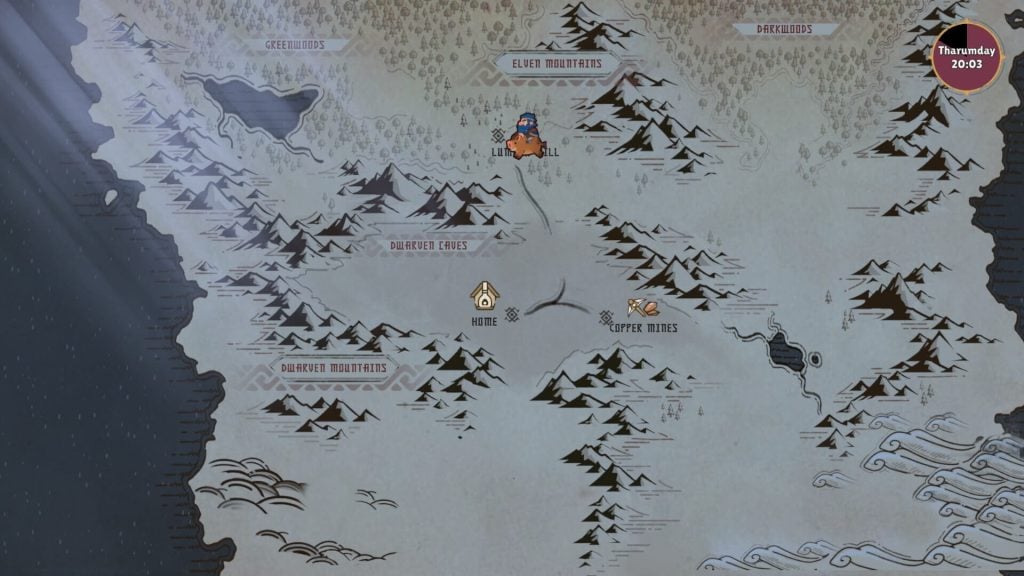
The game also folds those systems into the wider dwarven routine. Players can improve the forge, take questionable jobs, spend time in taverns, and gather a party of adventurers who sound only slightly more reliable than the enemies waiting outside town.
The fantasy world itself follows the same tone, with merchants, priests, nobles, monsters, and adventurers all adding to a setting that treats stupidity as part of daily life.
Terahard CEO Aris Tsevrenis described RuneSmith as the studio’s first true RPG and a project he had wanted to make for years. He said the game draws from the studio’s humor, crafting ideas, and the way both can affect combat. He also pointed to years of tabletop role-playing as part of the inspiration behind the project.
Terahard Ltd was founded in 2012 and has teams in London and Athens. The studio has worked across PC, mobile, AR, VR, and interactive projects, with previous games including Dunebound Tactics, Monster Mop Up, Overbeast, Claws of Furry, and ChipiTales: Hercule.
RuneSmith is currently listed for PC on Steam, where it is open for wishlists. A release date has not been announced.
