

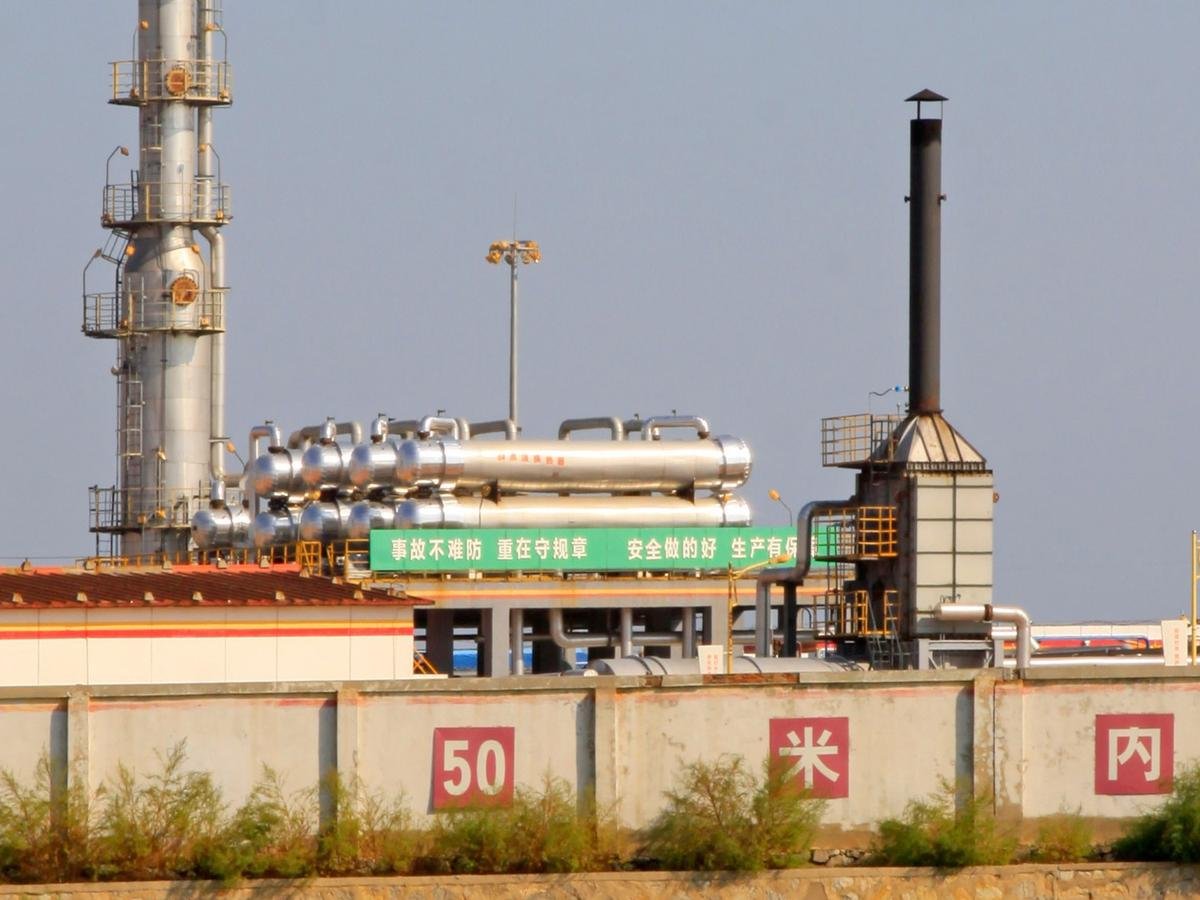
China’s Strategic Petroleum Reserve (SPR) was established in March 2004, with the aim of constructing China’s first oil base to protect the country’s energy security. Since then, China’s SPR has evolved from a small coastal network into a nationwide system of large-scale storage facilities combining central government, commercial and provincial reserves.
While the Chinese SPR is primarily designed to mitigate risks from oil supply chain disruptions, its size compared to that of other countries could give China a large potential leverage on international energy markets and, by extension, in the global economy. In other words, China’s SPR could evolve from an economic policy device to a geoeconomic tool allowing the country to achieve goals such as exercising leverage on other nations, protecting national security, influencing alliances, punishing adversaries and affecting global supply chains.
Nevertheless, Chinese policy around the use of their SPR as a geoeconomic tool, particularly in crisis scenarios, is not well understood. Although China has built its SPR as a resilience tool, the size of the SPR compared to other global oil reserves could give China the leverage to use it in a more strategic way. This project investigates potential ways in which China could do so. Our analysis, however, does not explore whether China actually intends to use SPR as a geoeconomic tool.
This research was independently initiated and conducted within the China Research Center using a gift from philanthropist Michael Tang, as well as gifts from other RAND supporters and income from operations. This work was undertaken by the China Research Center and RAND Europe.
This publication is part of the RAND research report series. Research reports present research findings and objective analysis that address the challenges facing the public and private sectors. All RAND research reports undergo rigorous peer review to ensure high standards for research quality and objectivity.
This document and trademark(s) contained herein are protected by law. This representation of RAND intellectual property is provided for noncommercial use only. Unauthorized posting of this publication online is prohibited; linking directly to this product page is encouraged. Permission is required from RAND to reproduce, or reuse in another form, any of its research documents for commercial purposes. For information on reprint and reuse permissions, please visit www.rand.org/pubs/permissions.
RAND is a nonprofit institution that helps improve policy and decisionmaking through research and analysis. RAND’s publications do not necessarily reflect the opinions of its research clients and sponsors.
