

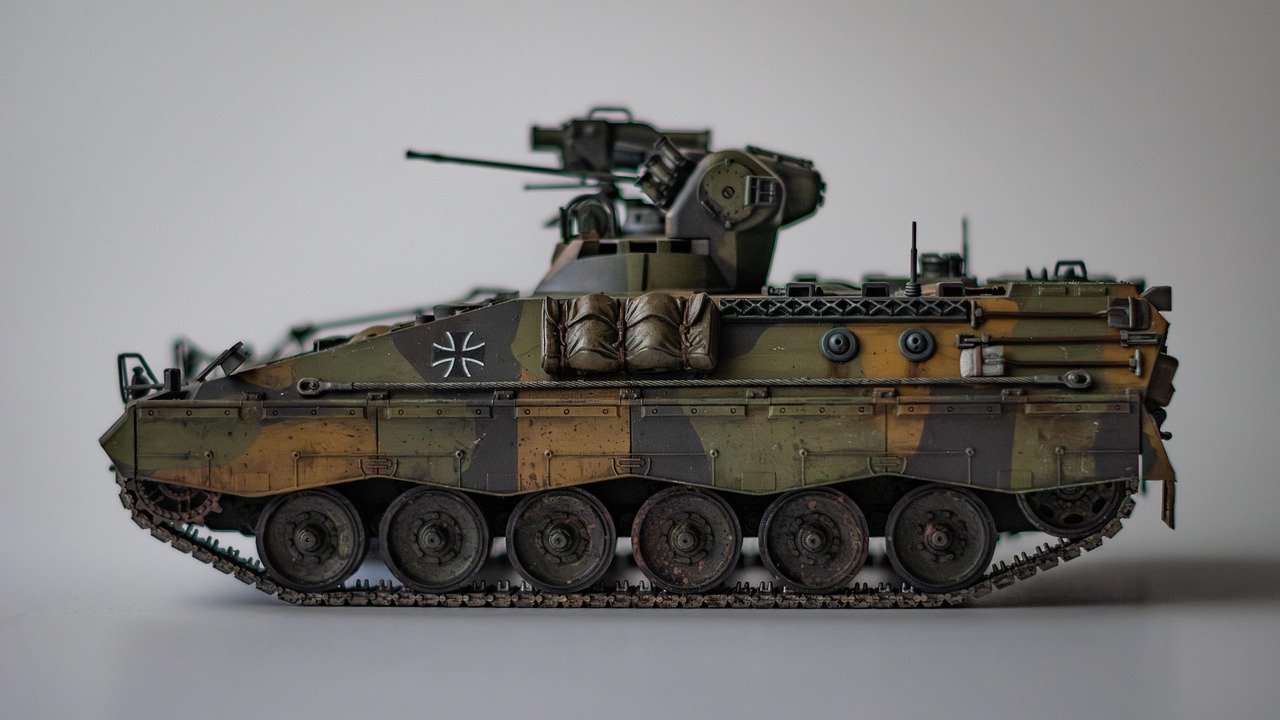
Ukraine has received its first Lynx KF41 infantry fighting vehicles from Germany, and soldiers in the receiving brigade say the vehicles will also be used against enemy drones. The Rheinmetall-built vehicles went to the 21st Separate Mechanized Brigade, according to an announcement by Ukraine’s 18th Army Corps reported by The War Zone.
Key facts
- The first batch of Lynx KF41 vehicles has been delivered to Ukraine’s 21st Separate Mechanized Brigade.
- The deal with Rheinmetall was confirmed in January 2026; the number of vehicles has not been disclosed.
- The vehicles carry a two-person Lance turret with a 30mm autocannon and a 12.7mm machine gun on a remote weapon station.
- Programmable airburst ammunition and a modern fire control system allow engagement of both ground and aerial targets, according to the 18th Army Corps.
- Crews completed about six weeks of training in Germany, and the vehicles arrived new from the factory.
Background
The Lynx KF41 is a tracked infantry fighting vehicle of about 44 tonnes, operated by a crew of three and able to carry up to eight infantry. It can reach speeds of up to about 50 mph and can be fitted with optional active protection systems. Rheinmetall designed it with export customers in mind, using commercial off-the-shelf components where possible.
Hungary was the first country to receive the Lynx from Germany and has since begun local production. Italy and Romania are also set to acquire the vehicle. In the United States, a Lynx-based design from American Rheinmetall is one of two prototypes, alongside a General Dynamics entry, being evaluated for the Army’s XM30 program to replace the Bradley.
Rheinmetall’s product information describes the Lance 2 turret as a medium-calibre system built around a 30mm cannon capable of firing airburst munitions, and the company offers a counter-drone upgrade kit for the Lance family, including for a reconnaissance version of the Lynx. The 21st Brigade has prior experience with Western armor: it was the first Ukrainian unit to operate CV90 vehicles in 2023.
What it means
Drones have reshaped the battlefield in Ukraine, making armored vehicles vulnerable and pushing units to find ways to defend themselves at close range. Using an infantry fighting vehicle’s main gun with programmable airburst rounds against drones gives mechanized units a measure of self-protection without waiting for dedicated air defense.
The War Zone noted, however, that the Ukrainian vehicles do not appear to carry a dedicated radar, suggesting detection would rely on passive sensors, external cueing or visual acquisition by crews. That makes the Lynx a supplementary counter-drone asset rather than an optimized air defense system such as Rheinmetall’s separate Skyranger 30 variant, which has its own radar and short-range missiles.
For Rheinmetall, combat use in Ukraine will provide operational feedback on a vehicle being marketed across Europe and in the U.S. For other armies, the brigade’s experience may inform how infantry fighting vehicles are equipped and employed against small uncrewed aircraft.
FAQ
Which Ukrainian unit received the Lynx?
The 21st Separate Mechanized Brigade, as announced by Ukraine’s 18th Army Corps.
How will the Lynx counter drones?
Its 30mm cannon fires programmable airburst ammunition, with the fire control system setting detonation distance for each target. It has no dedicated radar.
How many vehicles were delivered?
The number has not been disclosed in public reporting.
Sources
Original reporting: The War Zone (Howard Altman).
Official source: Rheinmetall – Lance turret systems. No official German or Ukrainian government statement on the delivery quantity was available.
Related on TBH Center: Radio Jamming Systems Ordered for Dutch and German Piranha 5 Vehicles and CFL-120 Karpat Medium Tank Faces a Battlefield Hostile to Armor.
