

Morocco is planning to acquire additional Israeli-made defence systems, according to Israeli sources, as defence cooperation between the two countries continues to deepen. Since the normalisation of relations in 2020, Israel has become an increasingly important supplier of air defence, unmanned systems, precision fires and intelligence capabilities to Morocco. The growing partnership is also shaped by Rabat’s long-standing rivalry with neighbouring Algeria.
Israel and Morocco are expected to further expand their defence cooperation, with Rabat considering the procurement of additional Israeli-made military systems, Israeli sources told the author.
The development follows several years of rapidly growing military ties between the two countries. While Israel and Morocco do not have a mutual defence treaty or a NATO-style military alliance, their security relationship has become increasingly institutionalised through formal agreements, joint work plans, military cooperation and defence procurement.
Defence Cooperation Since the Abraham Accords
The current relationship has its roots in the normalisation of diplomatic relations between Israel and Morocco in 2020 as part of the broader Abraham Accords process.
In November 2021, Israeli and Moroccan defence officials signed a Memorandum of Understanding (MoU) establishing a formal framework for defence and security cooperation. The agreement provides a basis for intelligence sharing, military training, defence procurement and industrial cooperation. Since then, the two countries have regularly developed joint military work plans covering areas such as military modernisation, air defence, reconnaissance and artillery.
Israel has consequently emerged as an important supplier of military technology to Morocco, particularly in air and missile defence, unmanned systems, electronic warfare and long-range precision fires.
Algeria Remains Morocco’s Principal Regional Rival
The growing Israeli-Moroccan defence relationship also needs to be seen against the background of Morocco’s difficult relations with neighbouring Algeria. At the centre of their rivalry is Western Sahara. Morocco claims sovereignty over the territory, while Algeria supports the Polisario Front, which seeks independence for Western Sahara.
Relations between Rabat and Algiers have deteriorated considerably over the past decades. Their land border has been closed since 1994, while Algeria formally severed diplomatic relations with Morocco in 2021. The two countries have also traditionally pursued different international security relationships. Morocco maintains close diplomatic and military ties with the United States and several European countries, while Algeria has historically maintained extensive defence relations with Russia.
Iran represents another factor in Morocco’s regional security policy. Rabat severed diplomatic relations with Tehran in 2018, accusing Iran and Hezbollah of providing support to the Polisario Front.
BARAK MX Strengthens Moroccan Air Defence
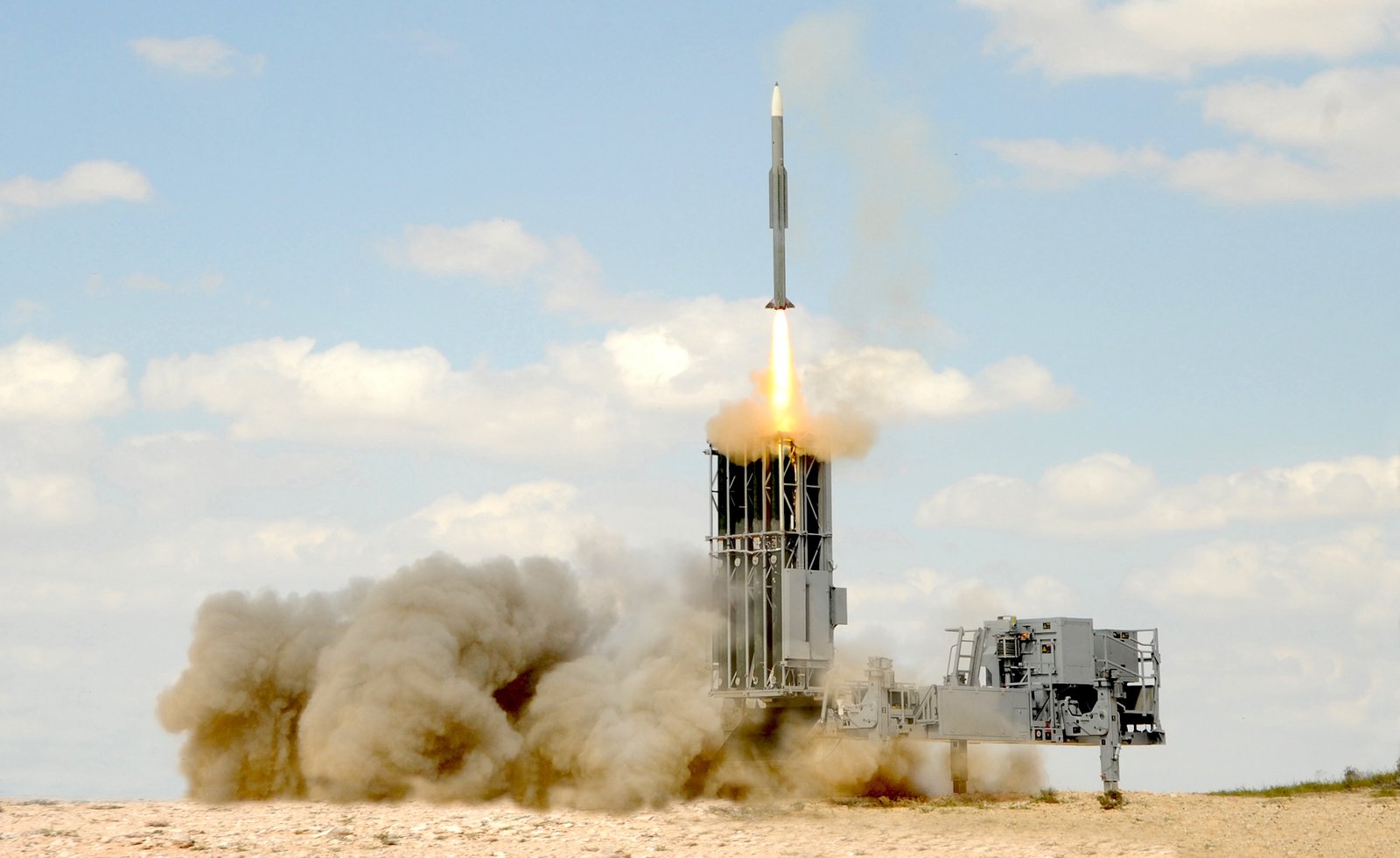
One of Morocco’s most significant Israeli procurements has been the BARAK MX air and missile defence system produced by Israel Aerospace Industries (IAI). Morocco reportedly ordered the system in 2022 in a deal valued at approximately US$500 million. BARAK MX is designed as a multi-layered air defence architecture capable of engaging a range of aerial threats, including aircraft, unmanned aerial vehicles and missiles. According to Israeli sources, Morocco has since completed the deployment and operational activation of the system.
The procurement represents an important element in Morocco’s efforts to modernise its air defence capabilities and reflects the growing role of Israeli technology within the Moroccan Armed Forces.

Israeli Systems Across Multiple Domains
But cooperation is not limited to air defence. Morocco has acquired a broad range of Israeli systems covering several operational domains. In the counter-UAS field, Morocco purchased the Israeli SkyLock system in 2021. The portable system is intended to detect hostile unmanned aerial vehicles and disrupt their operation.
Morocco has also acquired Elbit Systems’ Precise and Universal Launching System (PULS) multiple rocket launcher. The reported value of the deal was approximately USD 150 million, adding a long-range precision-strike capability to Morocco’s land forces.
Unmanned systems have become another major field of cooperation. Morocco has acquired Israeli UAVs and loitering munitions, including the Heron and Harop, as well as WanderB and ThunderB unmanned aircraft.
The cooperation has increasingly moved beyond straightforward imports. Morocco has partnered with BlueBird Aero Systems on local production of the SpyX loitering munition, representing a step towards greater domestic involvement in the manufacture of Israeli-designed unmanned systems.
Israeli Satellite for Strategic Intelligence
The relationship has also expanded into space-based intelligence. In 2024, Morocco reportedly reached an agreement valued at approximately US$1 billion for the acquisition of an advanced Israeli reconnaissance satellite from IAI. The satellite is intended to provide Morocco with an independent strategic intelligence-gathering capability.
Such a capability would significantly expand Rabat’s ability to monitor developments across North Africa and the wider region without relying exclusively on intelligence supplied by international partners.
From Procurement to Strategic Partnership
The Israeli-Moroccan relationship has therefore evolved considerably since diplomatic normalisation in 2020. What began as renewed political relations has developed into cooperation encompassing intelligence, training, air defence, precision fires, unmanned systems, space-based reconnaissance and defence-industrial cooperation.
It nevertheless remains important to distinguish this relationship from a formal military alliance. Neither country is bound to come to the other’s defence. Instead, the partnership is based on overlapping security interests, bilateral agreements and increasingly close technological and military cooperation.
According to Israeli sources, Morocco’s intention to procure further Israeli-made defence systems indicates that this process is likely to continue. For Israel, Morocco has become an increasingly important defence partner in North Africa, while Rabat gains access to technologies intended to strengthen its military position in an increasingly competitive regional security environment.
Author: Arie Egozi, Israel Correspondent
