

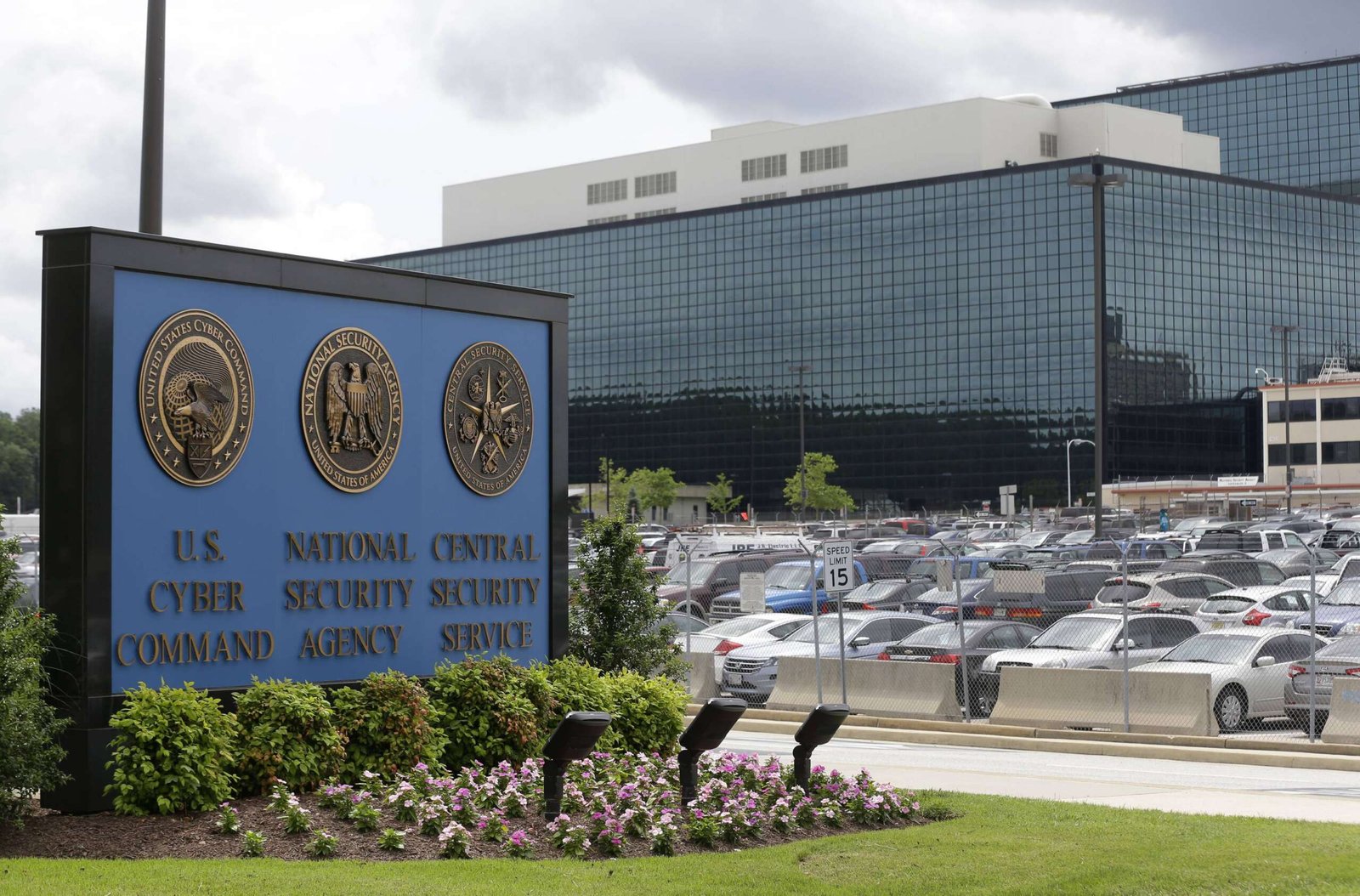
NSA says it has a plan in place to fix the issue.
Michele Sandiford
- The National Security Agency doesn’t appear to be complying with federal laws that require the agency to outline whistleblower protections in its nondisclosure agreement. The NSA’s inspector general said the agency doesn’t have a central repository of its NDAs or an overarching policy. But for four of the five agreements the IG did find, whistleblower protection notifications were left out entirely. The agency said it has a plan in place to fix the issue.
- The National Guard Bureau’s specialized unit for sexual assault cases has some room for improvement in its investigative processes. A review by the Pentagon’s inspector general found the Office of Complex Investigations didn’t have processes in place to consistently prepare investigative plans. It didn’t adequately document instances where investigators couldn’t gather the evidence they needed, didn’t adequately track key personnel in their investigations, and didn’t adequately document instances where investigators couldn’t gather the evidence they needed. The OIG says the National Guard Bureau has plans in place to address those issues, but it’s leaving four recommendations open until that happens.
- The Trump administration is out with new data on the amount of money from fraud it says agencies have stopped and recovered since January 2025. So far, the White House says agencies have stopped $62.9 billion in fraud over the last year and recovered another $59.1 billion. The administration believes those numbers are just the tip of the proverbial iceberg as the Justice Department is leading a new interagency team to go after the “most harmful actors defrauding federal government programs.” The National Fraud Detection Center (NFDC) is a prosecutor-led effort that brings together law enforcement agencies and analytical capabilities to generate criminal leads.
- GSA initiates two efforts to prepare for the future of quantum cryptography to protect data and systems. GSA initiates two efforts to prepare for the future of quantum cryptography to protect data and systems. The General Services Administration is it’s updating the Federal Identity, Credential and Access Management or FICAM architecture and developing a new testing process for the technology that helps secure federal buildings as post-quantum cryptography gets closer. For the FICAM effort, GSA says it’s updating the “framework to support quantum-resistant algorithms while maintaining compatibility with existing systems. GSA held the first meeting of the interagency working group on FICAM modernization on August 12, which brought together 40 people from 17 agencies. At the same time, GSA is expanding its Physical Access Control System (PACS) lab to evaluate capabilities of quantum-resistant systems.
- The National Archives and Records Administration has some answers for agencies on how to apply the Federal Records Act to artificial intelligence. In an August 21 memo, NARA explains that an agency’s use of an AI platform does not in and of itself result in creation of a federal record. But agencies should consider whether AI generated materials constitute a record, including whether the agency relies on it in decision-making, uses it to conduct official business, circulates the material to others or incorporates it into an agency system. NARA’s guidance also addresses the retention and disposal of AI-related records.
- The Transportation Security Administration is ditching it short-lived “Gold-plus” privatized airport security screening concept. New TSA Administrator David Cummins is launching a Horizon 25 Strategy to modernize airport security screening and improve the customer experience. As part of that strategy, TSA is replacing the “Gold+” concept with an expanded version of its existing private screening program. Just three airports had opted into Gold+ after it was announced earlier this year. And the largest one of those, Tampa International Airport, announced on Monday that it would no longer pursue Gold+ privatization and instead stick with its existing federal TSA officers.
- Andrew Magliochetti, the director of the Department of the Navy’s Office of Small Business Programs, is moving to a new position in the department. Acting Navy Secretary Hung Cao says Magliochetti will oversee the revitalization of the service’s industrial base. He will be the new deputy assistant secretary of the Navy for the Defense Industrial Base and serve as the principal civilian advisor to the assistant secretary of the Navy for research, development and acquisition. Cao is charging Magliochetti with leading initiatives to expand domestic manufacturing, mitigating supply chain vulnerabilities and integrating dual-use commercial technologies. He’ll also play an essential role in building and sustaining the Golden Fleet.
- The Energy Department’s lead cyber office is looking for security experts to join the Operational Technology Defender Fellowship Cohort for 2027. The Office of Cybersecurity, Energy Security and Emergency Response, known as CESER, is accepting applications for the fellowship through August 31. CESER says the fellowship includes lessons, a capstone exercise, and site visits to government and industry locations. The goal is to expand the expertise needed to combat cyber criminals and nation state actors targeting U.S. energy infrastructure.
Copyright
© 2026 Federal News Network. All rights reserved. This website is not intended for users located within the European Economic Area.
