

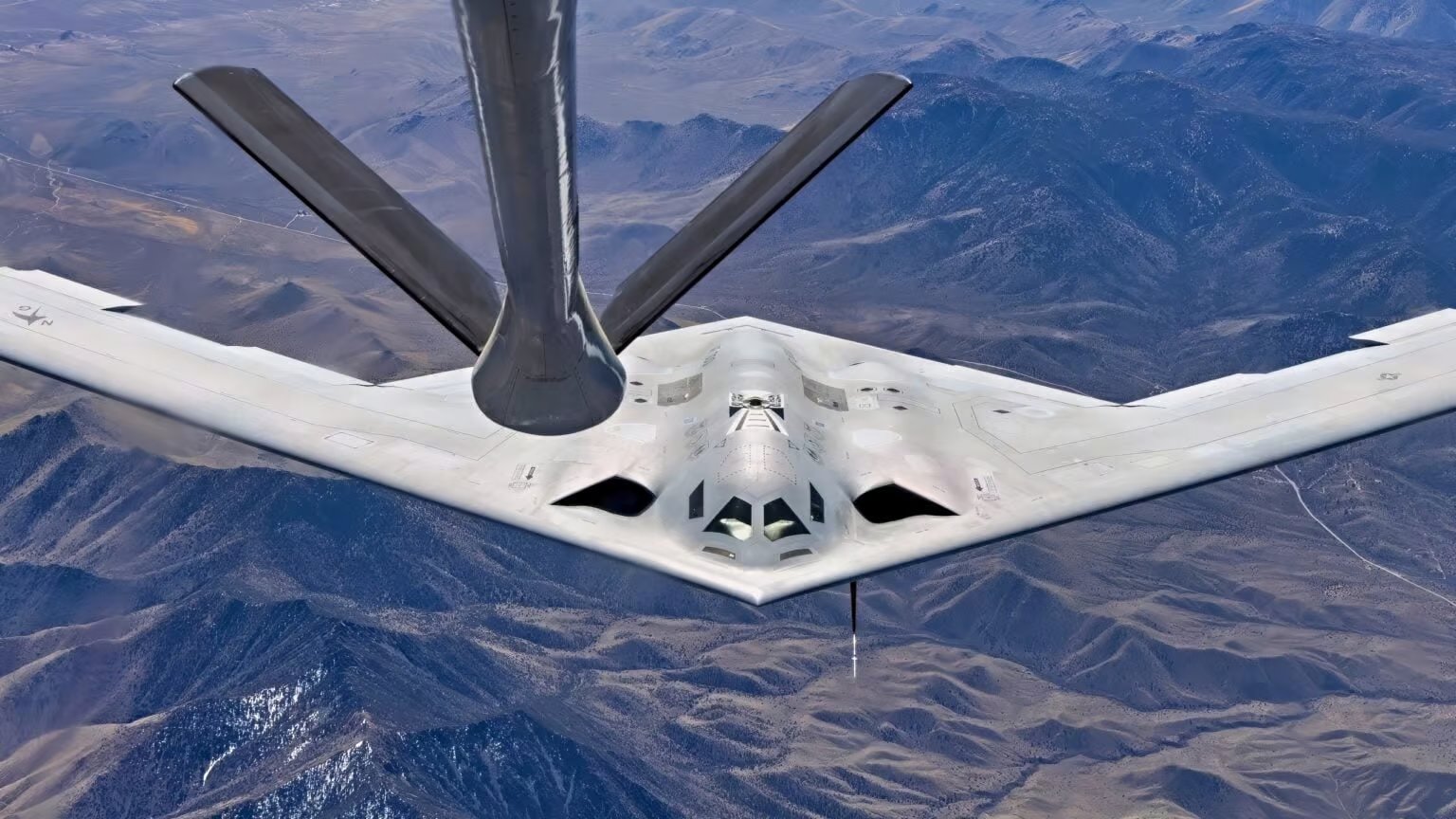

The US Air Force Global Strike Command is equipped with 19 B-2A Spirits and 46 B-52H Stratofortress bombers, and its plans include the requirement for 100 Northrop Grumman B-21 Raiders to replace the B-2As and 43 B-1B Lancers sometime between the mid-2030s and 2040.
At the same time, the extant B-52H fleet is being modernised to remain in service until at least 2050. This includes re-engining the aircraft and equipping it with new radars, sensors, and communications systems. Still, this US$2 billion programme is already over budget, and about two decades behind an original plan, and with the loss of the first development aircraft on 15 June, it may slip even further.
There are also questions about the possible future escalation in the cost of producing 100 B-21s, and the USAF has unveiled plans to test a prototype vertical take-off and landing (VTOL) bomber for long-range strike missions as an alternative to the B-21.
According to the solicitation documents, the concept calls for the development of an aircraft powered with a liquid-fuel rocket engine that, after a vertical take-off, will carry out its mission at high speed and return to base to be refuelled for another flight. USAF plans to select a developer quickly and sign a contract within 30-45 days after the 4 August proposal submission deadline.
One of the companies expected to submit a proposal is New Frontier Aerospace that last year announced a Collaborative Research and Development Agreement (CRADA) with the USAF Institute of Technology (AFIT) focused on creating a comprehensive database to optimise the structural design, aerothermal performance, and control systems of its Pathfinder hypersonic vertical take-off and landing (VTOL) aircraft designed to be powered by the company’s Mjolnir rocket engines that had recently completed a series of hot-fire tests.

by David Oliver
