

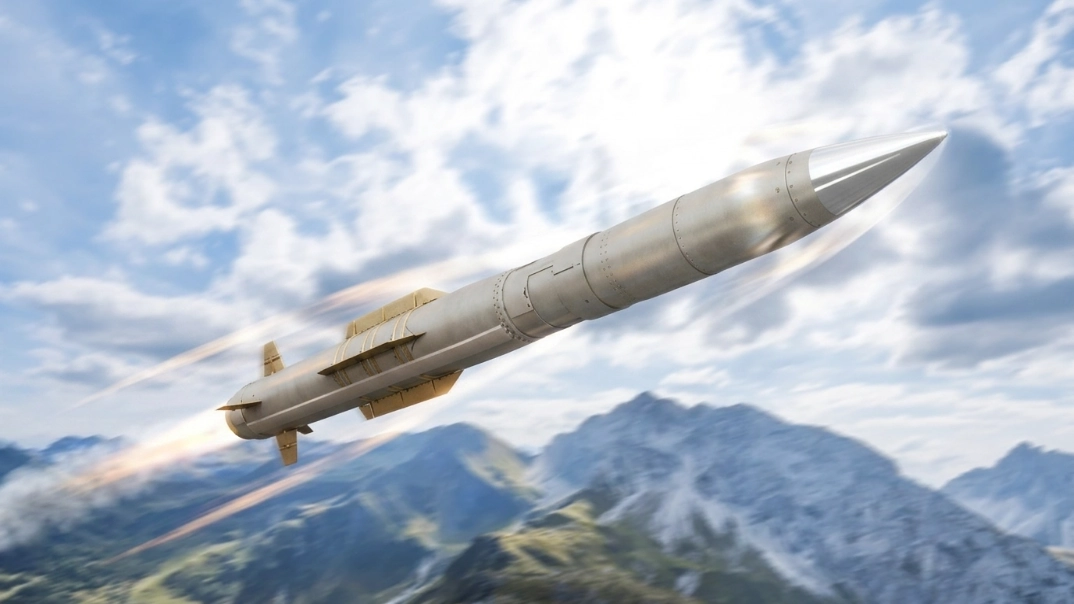
Defense Feeds, Washington, D.C. – U.S. introduces Buckler interceptor for counter-drone defense, unveiling a new low-cost interceptor designed to address one of the fastest-growing challenges on today’s battlefield: defending against large-scale attacks by inexpensive unmanned aerial systems.
The system aims to provide military forces with an affordable means of engaging multiple aerial threats without relying exclusively on high-cost surface-to-air missiles.
The development reflects a growing shift in air defense doctrine as militaries seek more economical ways to counter increasingly common drone swarms that can overwhelm traditional missile-based defenses through numbers rather than individual sophistication.
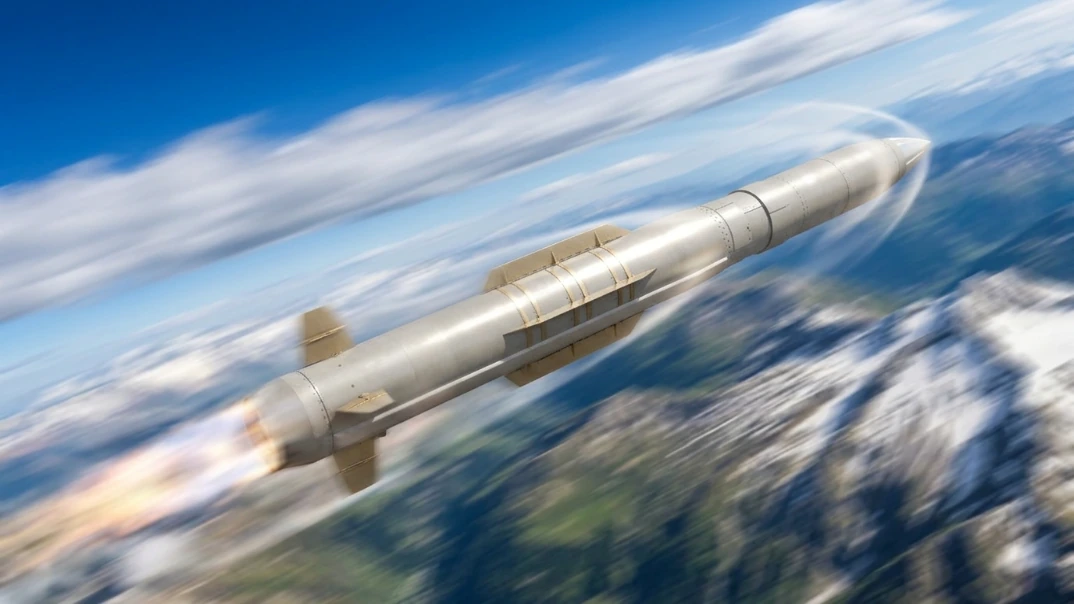
U.S. Introduces Buckler Interceptor for Counter-Drone Defense
The announcement that U.S. introduces Buckler interceptor for counter-drone defense underscores the Pentagon’s focus on expanding layered air defense with systems specifically optimized for counter-uncrewed aircraft missions.
Unlike conventional interceptors developed to engage fighter aircraft or ballistic missiles, the Buckler interceptor is intended to defeat smaller and less expensive aerial threats while keeping engagement costs under control.
This approach addresses a key operational challenge: using costly air defense missiles against low-cost drones can quickly deplete inventories and create an unfavorable cost exchange during sustained operations.
The Buckler concept is designed to provide commanders with another layer of protection between electronic warfare systems and higher-end missile defenses. By introducing a dedicated interceptor for drone threats, military planners hope to preserve more advanced air defense assets for higher-priority targets while maintaining effective protection against mass aerial attacks.
Although detailed technical specifications have not been publicly released, the system is being developed as part of broader efforts to improve the scalability and affordability of modern counter-UAS operations.

Affordable Counter-Drone Systems Are Becoming Essential
The introduction of the Buckler interceptor reflects lessons drawn from recent conflicts, where inexpensive drones have been used extensively for reconnaissance, precision attacks and saturation operations. In many cases, defending against these systems has proven significantly more expensive than producing or deploying them.
This imbalance has accelerated demand for counter-drone technologies that combine effectiveness with sustainable operating costs. Military planners increasingly recognize that future air defense networks must include multiple engagement options, allowing operators to match the interceptor to the threat rather than relying on a single class of missile.
A layered approach typically combines surveillance radars, electro-optical sensors, electronic warfare systems and kinetic interceptors to improve overall resilience. Low-cost interceptors such as Buckler could become an important element of that architecture by engaging drones that penetrate electronic defenses or cannot be disrupted through jamming alone.
The emphasis on affordability is particularly important when defending forward operating bases, logistics hubs and critical infrastructure against repeated drone attacks over extended periods.
Supporting the Evolution of Layered Air Defense
The Buckler program aligns with the broader modernization of U.S. air and missile defense, which increasingly prioritizes scalable solutions capable of responding to a diverse range of aerial threats. Rather than relying solely on high-end interceptors, the Department of Defense is investing in complementary systems that can engage drones, loitering munitions and other low-cost aerial platforms more efficiently.
From an operational perspective, introducing a dedicated counter-drone interceptor provides commanders with greater flexibility in allocating defensive resources. It also helps improve the sustainability of air defense operations by reducing dependence on limited inventories of advanced missile systems.
The initiative could also influence future procurement decisions among U.S. allies facing similar challenges. As drone technology becomes more widely available, many armed forces are exploring cost-effective methods to strengthen base defense, protect maneuver forces and secure critical infrastructure without significantly increasing defense spending.
The fact that U.S. introduces Buckler interceptor for counter-drone defense illustrates how air defense priorities are evolving in response to changing battlefield realities. Future success will depend not only on defeating increasingly capable aerial threats but also on doing so at a cost that allows sustained operations.
Affordable interceptors like Buckler could therefore become an increasingly important component of layered defense architectures designed to counter the growing scale and frequency of drone attacks.
