

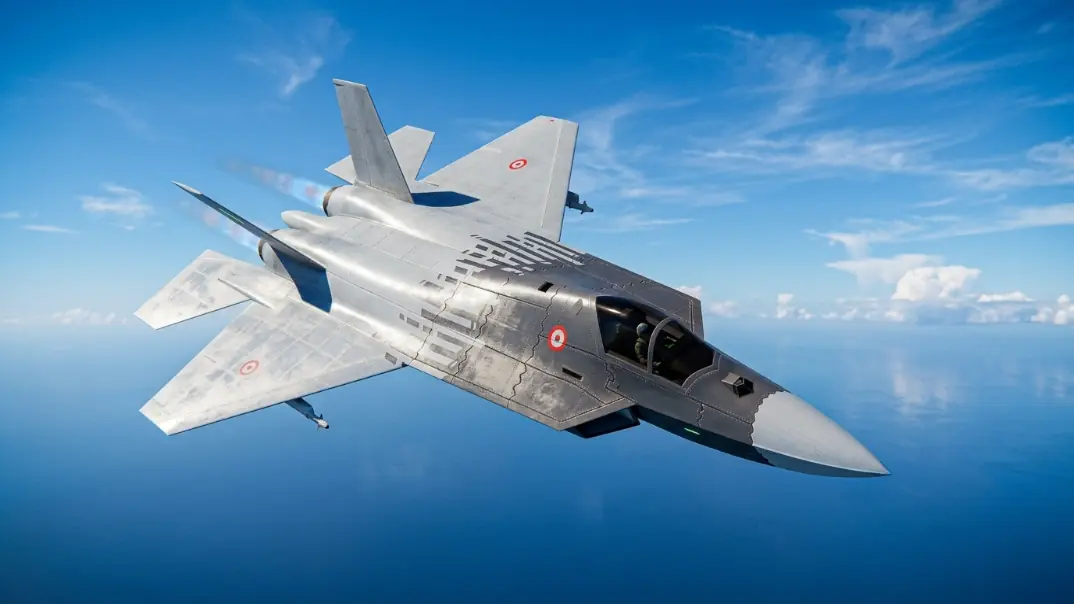
Defense Feeds, Ankara — Türkiye is accelerating its push toward fifth-generation air combat capability as the Türkiye KAAN fighter jet deal boosts next-generation air power through a newly signed contract for 20 aircraft. The agreement marks a major milestone for the country’s indigenous fighter development program and reflects Ankara’s long-term ambition to strengthen defense independence.
The KAAN fighter jet, previously known as TF-X during development, is being designed as a fifth-generation multi-role combat aircraft intended to replace aging fighter fleets over time. The program is considered one of Türkiye’s most important defense projects, combining stealth features, advanced avionics and modern air combat capabilities.
Securing a production contract signals growing confidence in the aircraft’s development progress. The move also comes as global competition in advanced military aviation intensifies. Countries are increasingly investing in domestically developed systems to reduce reliance on foreign suppliers and maintain strategic flexibility. Türkiye’s KAAN program reflects this broader trend in defense modernization.
KAAN Fighter Designed for Fifth-Generation Warfare
The KAAN fighter is being developed to operate in highly contested air environments while incorporating modern stealth and sensor technologies. The aircraft is expected to feature low-observable design elements intended to reduce radar visibility and improve survivability against advanced air defense systems.
In addition to stealth characteristics, the platform is designed for multi-role missions including air superiority, strike operations and network-centric warfare. Advanced avionics and sensor fusion are expected to provide pilots with enhanced situational awareness during combat operations.
The fighter is also being developed with future growth in mind. Modern combat aircraft increasingly rely on software upgrades, data integration and interoperability with unmanned systems. The KAAN program appears focused on supporting these evolving operational requirements.
The signing of a contract for 20 aircraft suggests the program is transitioning from development toward early production planning. While testing and refinement are still expected to continue, the agreement marks a significant step toward operational deployment.

Türkiye Expands Indigenous Defense Industry
The KAAN project reflects Türkiye’s broader strategy of strengthening its domestic defense industry. In recent years, Ankara has significantly expanded investment in locally developed military technologies across aerospace, naval systems and unmanned platforms. Reducing dependency on foreign defense suppliers has become a major strategic objective.
Developing a domestic fighter aircraft is especially important because combat aviation remains one of the most technologically demanding sectors in defense production. Achieving success in this area enhances both military capability and industrial expertise.
The KAAN program also supports technological development across multiple industries. Advanced fighter projects require progress in electronics, propulsion, software engineering and materials technology. These investments can generate wider industrial and economic benefits.
In addition, producing a domestic fifth-generation fighter may strengthen Türkiye’s position in the international defense market. Countries seeking alternatives to traditional suppliers could view the KAAN as a future export option. This potential adds strategic and economic significance to the project.
Strategic Impact on Regional Air Power Balance
The production contract for the KAAN fighter carries broader implications for regional military balance and future air warfare. Fifth-generation aircraft are increasingly becoming central to modern air forces because of their stealth, sensor and networking capabilities. Nations without such platforms risk losing operational advantages in contested environments.
For Türkiye, developing an indigenous fifth-generation fighter enhances long-term strategic flexibility. Domestic production reduces exposure to export restrictions and political limitations that can affect foreign procurement programs. This allows greater control over future upgrades and operational use.
The KAAN may also play a role in supporting integrated operations with drones and other autonomous systems. Modern air combat is moving toward highly networked operations where crewed and unmanned platforms operate together. Future integration with Türkiye’s expanding drone programs could significantly enhance operational capability.
At the same time, developing and sustaining a fifth-generation fighter remains a highly complex challenge. Advanced engines, stealth coatings and sensor integration require continuous refinement and testing. The program’s long-term success will depend on maintaining technological progress and production capability.
Türkiye’s decision to move forward with a contract for 20 KAAN fighters demonstrates the country’s commitment to expanding independent air combat capability. As regional and global competition in military aviation continues to intensify, the KAAN program represents a major step in shaping the future of Türkiye’s aerospace and defense strategy.
