


Getting a toned stomach is one of the most common fitness goals, especially as summer approaches. But despite what social media might suggest, there is no shortcut or single magic exercise that will reveal your abs overnight. A lean, defined midsection is the result of consistent training, smart nutrition, and evidence based habits that reduce body fat while strengthening core muscles.
Understanding What “Toned” Really Means
Before jumping into the tips, it is important to clarify what toning actually involves. “Toning” is not a separate physiological process. It simply refers to increasing muscle definition, which requires two things:
- Sufficient muscle development
- Low enough body fat to make that muscle visible
Research consistently shows that abdominal visibility depends largely on total body fat levels rather than just abdominal exercises. Spot reduction, or losing fat in a specific area by training that area, is not supported by scientific evidence. That means your strategy must focus on both fat loss and muscle development at the same time.
Tip 1: Prioritize a Sustainable Calorie Deficit
Why It Matters
Fat loss happens when you consistently consume fewer calories than you burn. This is known as a calorie deficit. Without it, your stomach will not become more defined, regardless of how many crunches you do. Studies show that moderate calorie restriction leads to significant fat loss while preserving lean muscle mass when combined with resistance training.
How to Apply It
- Aim for a small daily deficit of around 300 to 500 calories
- Avoid extreme dieting, which can reduce muscle mass and slow metabolism
- Track your intake using simple methods such as portion control or food logging
Consistency matters more than perfection. Sustainable habits lead to lasting results.
Tip 2: Lift Weights Regularly
Why It Matters
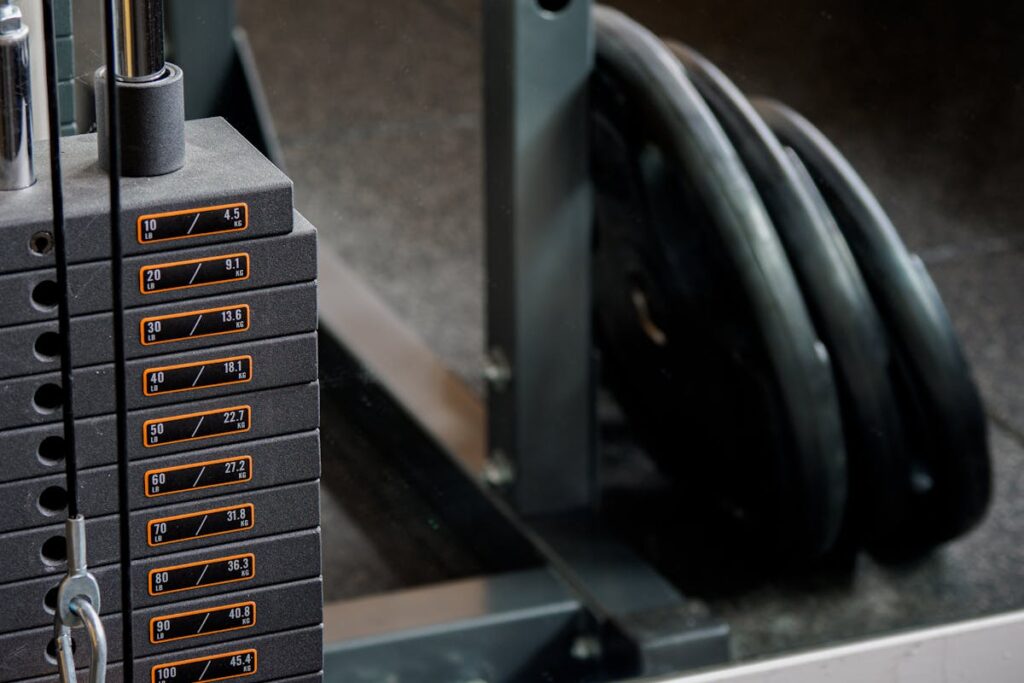
Resistance training builds muscle, including in the core. It also increases resting metabolic rate, meaning you burn more calories even at rest. Research shows that individuals who combine resistance training with calorie control lose more fat and retain more muscle compared to those who rely on diet alone.
How to Apply It
- Train at least three to four times per week
- Focus on compound movements such as squats, deadlifts, and presses
- Progressively increase weights over time
These exercises activate the core significantly, even if they are not traditional ab exercises.
Tip 3: Train Your Core with Purpose
Why It Matters
While fat loss reveals your abs, you still need to develop the underlying muscles. Core training improves muscle thickness and definition.
Studies using electromyography show that exercises like planks and hanging leg raises activate the abdominal muscles more effectively than basic crunches.
How to Apply It
Include a mix of core exercises:
- Stability exercises such as planks
- Dynamic movements such as leg raises
- Rotational exercises such as Russian twists
Train your core two to three times per week with proper control and technique.
Tip 4: Increase Protein Intake

Why It Matters
Protein supports muscle growth and helps preserve lean mass during fat loss. It also increases satiety, which makes it easier to maintain a calorie deficit. Research indicates that higher protein diets improve body composition by reducing fat mass while maintaining muscle.
How to Apply It
- Aim for around 1.6 to 2.2 grams of protein per kilogram of body weight per day
- Include protein in every meal
- Choose high quality sources such as lean meat, eggs, dairy, and plant proteins
Protein is one of the most powerful tools for improving body composition.
Tip 5: Add High Intensity Interval Training
Why It Matters
High intensity interval training, often called HIIT, is an efficient way to burn calories and improve cardiovascular fitness. Studies show that HIIT can reduce abdominal fat and improve insulin sensitivity in less time compared to steady state cardio.
How to Apply It
- Perform short bursts of intense effort followed by rest
- Example: 30 seconds sprint, 60 seconds walk, repeated 8 to 12 times
- Include two to three sessions per week
Keep sessions short but intense to maximize results.
Tip 6: Do Not Neglect Sleep
Why It Matters
Sleep plays a critical role in fat loss and muscle recovery. Poor sleep is linked to increased hunger, reduced fat loss, and higher fat storage. Research shows that sleep restriction can reduce fat loss by up to 55 percent during a calorie deficit.
How to Apply It
- Aim for 7 to 9 hours of quality sleep per night
- Maintain a consistent sleep schedule
- Limit screen exposure before bed
Good sleep supports both your training and your metabolism.

Tip 7: Manage Stress Levels
Why It Matters
Chronic stress increases cortisol levels, which is associated with increased abdominal fat storage. Studies show that individuals with higher stress levels tend to accumulate more visceral fat, which is stored around the organs in the abdominal area.
How to Apply It
- Practice stress management techniques such as breathing exercises or meditation
- Stay physically active
- Maintain social connections and downtime
Managing stress is often overlooked but has a real impact on body composition.
Tip 8: Stay Consistent with Daily Movement
Why It Matters
Non exercise activity, such as walking and general movement, plays a major role in total calorie expenditure. Research shows that individuals with higher daily activity levels burn significantly more calories without structured exercise.
How to Apply It
- Aim for at least 7,000 to 10,000 steps per day
- Take walking breaks during work hours
- Use stairs instead of elevators
Small actions throughout the day add up to meaningful fat loss over time.
Tip 9: Limit Processed Foods and Added Sugar
Why It Matters
Highly processed foods are often calorie dense and less filling, making it easier to overeat. Studies link high sugar intake with increased visceral fat accumulation and metabolic issues.
How to Apply It
- Focus on whole foods such as vegetables, fruits, lean proteins, and whole grains
- Reduce intake of sugary drinks and snacks
- Read food labels to identify hidden sugars
Food quality plays a major role in both calorie control and overall health.
Tip 10: Be Patient and Track Progress
Why It Matters
Visible abs take time. Rapid fat loss often leads to muscle loss and unsustainable habits. Research supports gradual fat loss as the most effective way to maintain results and preserve muscle.
How to Apply It
- Track progress using photos, measurements, or strength gains
- Set realistic goals over weeks and months
- Focus on consistency rather than quick fixes
Patience is one of the most underrated factors in achieving a toned stomach.
Putting It All Together
Getting a toned stomach is not about doing hundreds of sit ups or following extreme diets. It is about combining smart training, balanced nutrition, and sustainable habits that support fat loss and muscle development. If you apply these ten tips consistently, you will not only improve the appearance of your stomach but also build a stronger, healthier body overall.
References
- American Journal of Clinical Nutrition
Leidy, H.J., Clifton, P.M., Astrup, A., Wycherley, T.P., Westerterp-Plantenga, M.S., Luscombe-Marsh, N.D., Woods, S.C. and Mattes, R.D. (2015). The role of protein in weight loss and maintenance. - Obesity Reviews
Hall, K.D. and Kahan, S. (2018). Maintenance of lost weight and long term management of obesity. - Journal of Strength and Conditioning Research
Schoenfeld, B.J. (2010). The mechanisms of muscle hypertrophy and their application to resistance training. - Sports Medicine
Boutcher, S.H. (2011). High intensity intermittent exercise and fat loss. - Sleep
Nedeltcheva, A.V., Kilkus, J.M., Imperial, J., Schoeller, D.A. and Penev, P.D. (2010). Insufficient sleep undermines dietary efforts to reduce adiposity. - Psychosomatic Medicine
Epel, E.S., McEwen, B., Seeman, T., Matthews, K., Castellazzo, G., Brownell, K.D., Bell, J. and Ickovics, J.R. (2000). Stress and body fat distribution.
