

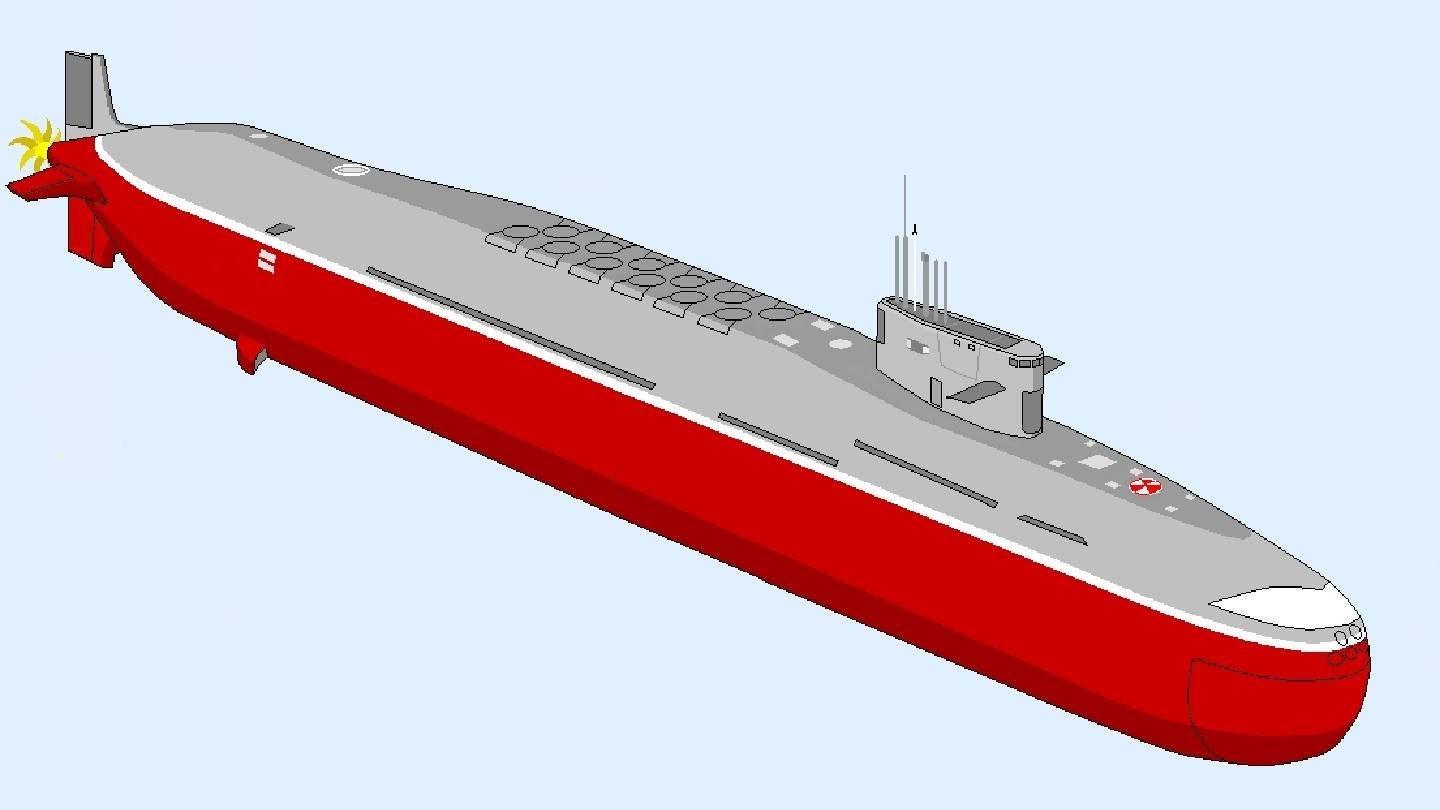
The recent commissioning of INS Aridhaman by India is set to advance the Indian Navy’s transition to a continuous at-sea deterrence posture, according to data and analytics firm GlobalData.
INS Aridhaman is the third nuclear-powered ballistic missile submarine (SSBN) after INS Arihant and INS Arighat.

Discover B2B Marketing That Performs
Combine business intelligence and editorial excellence to reach engaged professionals across 36 leading media platforms.
Find out more
With three Arihant-class nuclear-powered SSBNs now operational and two additional vessels planned, India is moving from a periodical to a more “sustained” sea-based strategic deterrent capability against regional nuclear powers China and Pakistan, GlobalData said.
INS Aridhaman features eight vertical launch tubes, doubling the capacity found in its predecessors.
The submarine is equipped to carry either eight K-4 ballistic missiles, which have a range of 3,500 kilometres (km), or up to twenty-four K-15 missiles with a range of 750km.
GlobalData aerospace and defence analyst Harshavardhan Dabbiru said: “The commissioning of INS Aridhaman, which features sophisticated indigenous subsystems and weapons such as the reactor, sonar, communication suite, and ballistic missiles, highlights a maturing industrial base that is scaling up its indigenous design and manufacturing capabilities.”
Alongside expanding its nuclear-powered fleet, India continues to develop its conventional submarine force.
Under Project 75I, the Indian Navy aims to add six new diesel-powered submarines and upgrade its existing Scorpène-class submarines with indigenous air-independent propulsion (AIP) systems.
These efforts demonstrate a growing domestic submarine manufacturing ecosystem capable of undertaking technologically complex projects.
GlobalData’s report, “The Global Submarine Market Forecast 2026–2036,” states that India is expected to allocate about $641.1bn between 2026 and 2036 to purchase various categories of submarines.
Key forthcoming acquisitions include new S5-class SSBNs and Project 77 nuclear-powered attack submarines (SSNs), which will enhance the Indian Navy’s operational reach and flexibility.
“Because the sea-based leg of the nuclear triad is the most survivable component of a country’s nuclear arsenal after a devastating first strike, India is likely to deploy a greater share of its nuclear weapons at sea,” Dabbiru added.
“Accordingly, the country will continue to field submarine platforms capable of launching nuclear-tipped missiles in the coming years. Given India’s stringent no first use policy, maintaining a credible nuclear deterrence requires strengthening its second strike capability, particularly through its rapidly expanding SSBN fleet.”

