


If you have ever felt strong in the gym but still ended up with nagging pain in your elbows, knees, or shoulders, you are not alone. Many athletes build muscle and strength faster than their tendons can adapt. This mismatch is one of the most common reasons for overuse injuries, plateaus, and frustrating setbacks.
Your muscles respond quickly to training. Your nervous system adapts even faster. But tendons operate on a completely different timeline. Understanding why this happens can help you train smarter, stay pain free, and keep progressing long term.
What Are Tendons and Why Do They Matter?
Tendons are dense connective tissues that connect muscle to bone. Their primary role is to transmit force. When your muscles contract, tendons transfer that force to your skeleton, allowing movement to occur.
Tendons also store and release elastic energy. This makes movements like running, jumping, and Olympic lifting more efficient. Healthy tendons improve performance, while compromised tendons increase injury risk.

Tendon Structure and Function
Tendons are made mostly of collagen, particularly type I collagen. This protein forms long fibers that give tendons their strength and stiffness. Unlike muscle tissue, tendons have limited blood supply and slower metabolic activity. This is a key reason why they adapt more slowly.
Tendon properties that matter for training include:
- Stiffness, which affects how efficiently force is transferred
- Strength, which determines how much load the tendon can tolerate
- Elasticity, which influences energy storage and return
All of these properties improve with training, but at a much slower rate than muscle strength.
Reason 1: Tendons Adapt Much More Slowly Than Muscles
The most important reason your tendons cannot keep up is simple. They adapt at a slower biological rate.
Muscle vs Tendon Adaptation Speed
Muscle hypertrophy and neural adaptations can occur within weeks of starting a training program. Strength gains in beginners often happen rapidly due to improved motor unit recruitment and coordination.
In contrast, tendon adaptation requires structural remodeling. This involves collagen synthesis, alignment of fibers, and changes in cross sectional area. These processes take much longer.
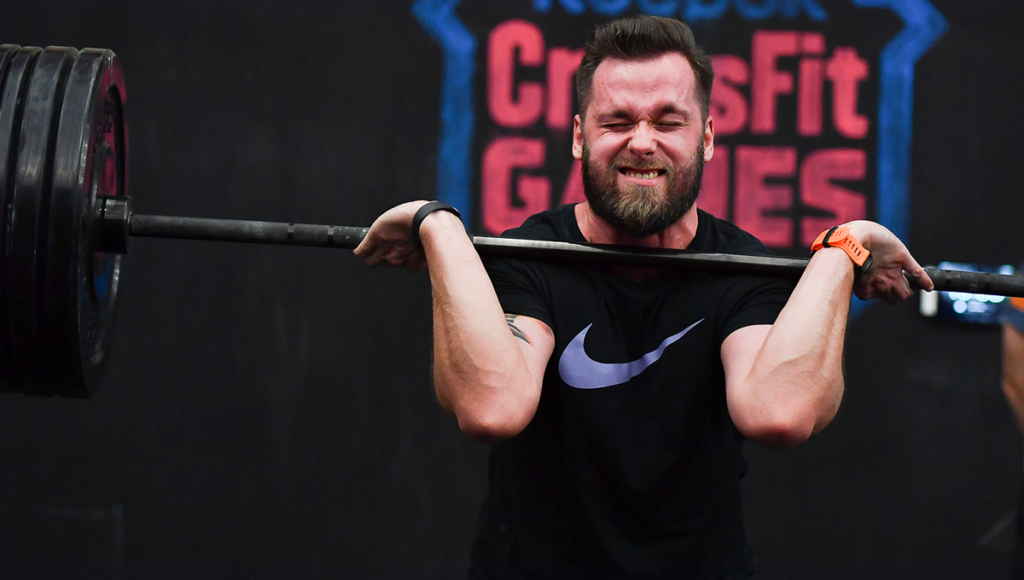
Research shows that meaningful increases in tendon stiffness and strength typically require several months of consistent loading. Short term strength gains do not reflect tendon readiness.
Collagen Turnover Is Slow
Tendons rely on collagen turnover to adapt. Collagen synthesis increases after exercise, but the process is gradual and peaks hours after loading.
Studies show that tendon collagen turnover is significantly slower than muscle protein turnover. Muscle protein synthesis can spike within hours and return to baseline quickly. Tendon collagen synthesis is slower and remains elevated longer but at a lower rate. This means your muscles may get stronger faster than the tendon can reinforce itself.
The Mismatch Problem
When strength increases rapidly, the load placed on tendons also increases. If tendon adaptation lags behind, the tissue experiences excessive strain.
Over time, this can lead to:
- Tendinopathy
- Microdamage accumulation
- Reduced mechanical efficiency
- Pain and inflammation
This mismatch is especially common in beginners, returning athletes, and those increasing training intensity too quickly.
Evidence from Research
Longitudinal studies show that muscle strength can increase significantly within 6 to 8 weeks, while tendon stiffness changes are smaller and require longer durations. This supports the idea that tendons are the limiting factor in many strength programs.
Reason 2: Tendons Need Specific Types of Loading
Not all training stimulates tendon adaptation effectively. This is the second major reason tendons fall behind.
Tendons Respond to Mechanical Load Differently
Tendons require high mechanical tension to adapt. However, the type of loading matters more than many people realize. Tendon adaptation is optimized by:
- Heavy resistance
- Slow controlled contractions
- Isometric loading
- Long duration tension
Explosive movements and fast lifts can improve performance, but they are less effective for building tendon structure on their own.
Why Fast Training Is Not Enough
Many strength programs emphasize speed, power, and volume. While these are valuable for performance, they do not always provide the sustained tension needed for tendon remodeling.
For example:
- Fast repetitions reduce time under tension
- Momentum can decrease actual tendon loading
- High volume with low load may not stimulate collagen synthesis effectively
As a result, your muscles may get stronger while your tendons receive insufficient stimulus to adapt.
The Role of Isometric Training

Isometric exercises have been shown to be particularly effective for tendon health. Holding a position under load increases tendon strain without excessive movement. Benefits of isometric loading include:
- Increased tendon stiffness
- Reduced pain in tendinopathy cases
- Improved force transmission
Heavy slow resistance training also plays a key role. Slow eccentrics and controlled movements increase time under tension and stimulate collagen production.
Load Magnitude Matters
Research indicates that tendons require relatively high loads to adapt. Light weights performed for high repetitions are less effective for improving tendon properties. This is why programs that focus only on hypertrophy style training may not adequately prepare tendons for heavy lifting or explosive sports.
Evidence from Research
Studies on tendon adaptation consistently show that heavy slow resistance training leads to improvements in tendon stiffness and mechanical properties.
Isometric training has also been shown to reduce pain and improve function in individuals with tendon issues.
Reason 3: Poor Recovery and Nutrition Limit Tendon Remodeling
Even with the right training, tendons need proper recovery and nutrients to adapt. This is often overlooked.
Tendons Need Time to Recover
Because tendons have limited blood supply, recovery is slower than muscle tissue. Repeated loading without sufficient recovery can lead to cumulative damage.
Unlike muscle soreness, tendon pain often builds gradually and can persist for weeks or months. Common recovery mistakes include:
- Training the same joint intensely every day
- Ignoring early signs of discomfort
- Increasing volume and intensity simultaneously
Sleep and Hormonal Factors
Sleep plays a critical role in tissue repair. Growth hormone and other anabolic processes are active during deep sleep. Poor sleep can impair collagen synthesis and slow recovery. Hormonal balance also matters. Chronic stress can increase cortisol levels, which may negatively affect tissue repair and collagen production.
The Role of Nutrition
Tendon health depends heavily on proper nutrition. Key nutrients include:
- Protein, especially amino acids like glycine and proline
- Vitamin C, which is essential for collagen synthesis
- Minerals such as copper and zinc
Emerging research suggests that consuming gelatin or collagen with vitamin C before training may enhance collagen synthesis in tendons.
Energy Availability
Low energy availability can impair tissue repair. Athletes who under eat or follow aggressive calorie deficits may struggle with tendon adaptation. This is particularly relevant for endurance athletes and those trying to lose weight while training hard.
Evidence from Research
Studies show that collagen synthesis is influenced by nutrient availability and timing. Vitamin C plays a direct role in collagen formation. Research on sleep and recovery also highlights the importance of rest for connective tissue health.

How to Train So Your Tendons Can Keep Up
Understanding the problem is only part of the solution. Here is how to apply this knowledge in your training.
Progress Load Gradually
Avoid sudden increases in weight, volume, or intensity. Follow structured progression. A good rule is to increase load or volume by no more than 5 to 10 percent per week.
Include Tendon Specific Training
Add exercises that target tendon adaptation directly.
Examples include:
- Heavy slow squats and deadlifts
- Isometric holds such as wall sits or planks
- Slow eccentric movements
Aim for controlled tempo and sufficient load.
Manage Training Frequency
Give tendons time to recover. This may mean:
- Alternating heavy and light days
- Avoiding excessive repetition of the same movement pattern
- Monitoring joint specific fatigue
Prioritize Technique
Poor movement patterns can increase stress on tendons. Focus on proper form and alignment.
Support Recovery
Make recovery a priority:
- Get enough sleep
- Eat sufficient protein and micronutrients
- Stay hydrated
Consider adding collagen rich foods or supplements if appropriate.
Listen to Early Warning Signs
Tendon issues often start as mild discomfort. Do not ignore these signals. Reduce load and adjust training before pain becomes chronic.
Common Tendon Injuries in Strength Athletes
Understanding where problems occur can help you stay ahead of them.
Patellar Tendon
Common in squats and jumping movements. Pain is usually felt below the kneecap.
Achilles Tendon
Often affected in running and explosive lower body movements.
Elbow Tendons
Frequent in pulling and gripping exercises. Includes conditions like tennis elbow and golfer’s elbow.

Shoulder Tendons
Rotator cuff tendons are vulnerable during pressing and overhead movements.
The Long Game: Building Resilient Tendons
Tendon health is not about quick fixes. It is about consistent, long term training. Strong tendons improve performance by:
- Enhancing force transfer
- Reducing injury risk
- Supporting heavier loads
Athletes who invest in tendon health often have longer careers and fewer setbacks.
Final Thoughts
Your muscles may feel ready for heavier weights, but your tendons might not be. This mismatch is one of the most overlooked factors in strength training.
By understanding how tendons adapt and training accordingly, you can avoid injuries and continue progressing safely. Focus on gradual progression, specific loading, and proper recovery. Your tendons will catch up, but only if you give them the time and stimulus they need.
Key Takeaways
| Concept | Practical Insight |
|---|---|
| Tendons adapt slowly | Expect months, not weeks, for meaningful changes |
| Muscle grows faster than tendon | Rapid strength gains can increase injury risk |
| Heavy slow loading is essential | Use controlled tempo and sufficient resistance |
| Isometric training helps | Improves tendon stiffness and reduces pain |
| Recovery is critical | Sleep and rest support collagen remodeling |
| Nutrition matters | Protein and vitamin C support tendon health |
| Gradual progression is key | Avoid sudden spikes in training load |
| Early pain signals matter | Address discomfort before it becomes chronic |
References
- Arampatzis, A., Karamanidis, K. and Albracht, K. (2007). Adaptational responses of the human Achilles tendon by modulation of the applied cyclic strain magnitude. Journal of Experimental Biology, 210(15), pp. 2743 to 2753.
- Bohm, S., Mersmann, F. and Arampatzis, A. (2015). Human tendon adaptation in response to mechanical loading. Sports Medicine, 45(3), pp. 335 to 346.
- Heinemeier, K.M. and Kjaer, M. (2011). In vivo investigation of tendon responses to mechanical loading. Journal of Musculoskeletal and Neuronal Interactions, 11(2), pp. 115 to 123.
- Kjaer, M., Langberg, H., Heinemeier, K. et al. (2009). From mechanical loading to collagen synthesis, structural changes and function in human tendon. Scandinavian Journal of Medicine and Science in Sports, 19(4), pp. 500 to 510.
- Magnusson, S.P., Hansen, P. and Kjaer, M. (2003). Tendon properties in relation to muscular activity and physical training. Scandinavian Journal of Medicine and Science in Sports, 13(4), pp. 211 to 223.
- Malliaras, P., Barton, C.J., Reeves, N.D. and Langberg, H. (2013). Achilles and patellar tendinopathy loading programmes. Sports Medicine, 43(4), pp. 267 to 286.
- Shaw, G., Lee-Barthel, A., Ross, M.L., Wang, B. and Baar, K. (2017). Vitamin C enriched gelatin supplementation before intermittent activity augments collagen synthesis. American Journal of Clinical Nutrition, 105(1), pp. 136 to 143.
- Wiesinger, H.P., Kosters, A., Muller, E. and Seynnes, O.R. (2015). Effects of increased loading on in vivo tendon properties. Medicine and Science in Sports and Exercise, 47(9), pp. 1885 to 1895.
