


GET UP TO SPEED
There are signs of a thaw. US President Donald Trump on Friday announced a security deal with Denmark and Greenland “completely addressing ALL of our many U.S. concerns” involving the world’s largest island, which Trump had previously said he intended to acquire. Danish and Greenlandic officials said the deal, to be signed in the coming days, would respect Greenland’s right to self-determination and Danish sovereignty. With a fight that had riven the transatlantic alliance seemingly winding down, we turned to our experts to parse the announcements and plot out what’s next.
TODAY’S EXPERT REACTION BROUGHT TO YOU BY
- Jeppe Kofod (@JeppeKofod): Distinguished fellow with the Atlantic Council Global Energy Center and former Danish minister for foreign affairs
- Torrey Taussig (@torrey_taussig): Director of the Transatlantic Security Initiative in the Scowcroft Center for Strategy and Security, and former director for European affairs at the White House National Security Council
- Daniel Fried (@AmbDanFried): Weiser Family distinguished fellow and former US assistant secretary of state for Europe
- Matthew Kroenig (@MatthewKroenig): Senior fellow at the Scowcroft Center for Strategy and Security and former US defense and intelligence official
The diplomacy
- Jeppe tells us that “this looks like a major victory for diplomacy,” in which “the US gets a stronger and lasting security presence in Greenland, while the sovereignty and territorial integrity of the kingdom and Greenlanders’ right to self-determination remain intact.”
- Torrey sees a lesson in how the deal came together, as it “shows how Europeans can lower the temperature across the Atlantic when working with the administration behind the scenes.”
- For Dan, the assurances gave Washington something it could point to as a win, but more importantly “allowed the US to walk back from its damaging and pointless threats of aggression.”
- Diplomats from each side have been working on this for months, Matt tells us, and they’ve been very close to final terms for a while. “The question hanging over their heads was always, ‘Would it be enough for Trump?’” he explains. “We learned yesterday that it was.”
The deal
- While details of the agreement are still not public, Jeppe believes it will likely “strengthen the ability of the US and its allies to keep hostile powers out of this strategically vital part of the Arctic.” It could therefore result in “a stronger common defense of Greenland, the Arctic, and the North Atlantic.”
- But Dan contends that much of this is not new. Trump’s statements that the deal blocks adversaries from investing in Greenland or establishing military bases there “are welcome assurances but hardly breakthroughs,” he says. The 1951 Defense of Greenland Agreement already gave Washington extensive basing rights, with the prospect of a Russian or Chinese base on the island “remote.”
- Matt argues that Trump was “right to highlight the strategic importance of Greenland,” and the new deal does go beyond previous agreements. However, he adds, the deal’s true value lies in what it might now mean for NATO.
Sign up to receive rapid insight in your inbox from Atlantic Council experts on global events as they unfold.
The damage and the recovery
- Throughout this process, “the administration did significant damage to transatlantic trust in its approach toward Denmark, a founding NATO ally,” Torrey tells us. If Trump had followed through on his threats to seize Greenland, it “would have killed the Alliance.”
- Matt points out there have been Alliance disagreements from the Suez Crisis to the Iraq War and beyond, but this was the “most contentious issue” in NATO history, because “the fear that Washington might use military force against a NATO ally left the deepest wound.” The new agreement should “begin the process of healing.”
- But the effects could last. Europeans are already “pursuing a hedging and diversification strategy,” which is “unlikely to end,” Torrey argues. The deal is “unlikely to quiet concerns European allies have over America’s broader commitment to the Alliance.”
- Stepping back from the controversy, Matt argues that the combination of Trump signing the Lindsey O. Graham Sanctioning Russia Act into law and announcing this agreement on Friday amount to a “big day for the transatlantic alliance.”
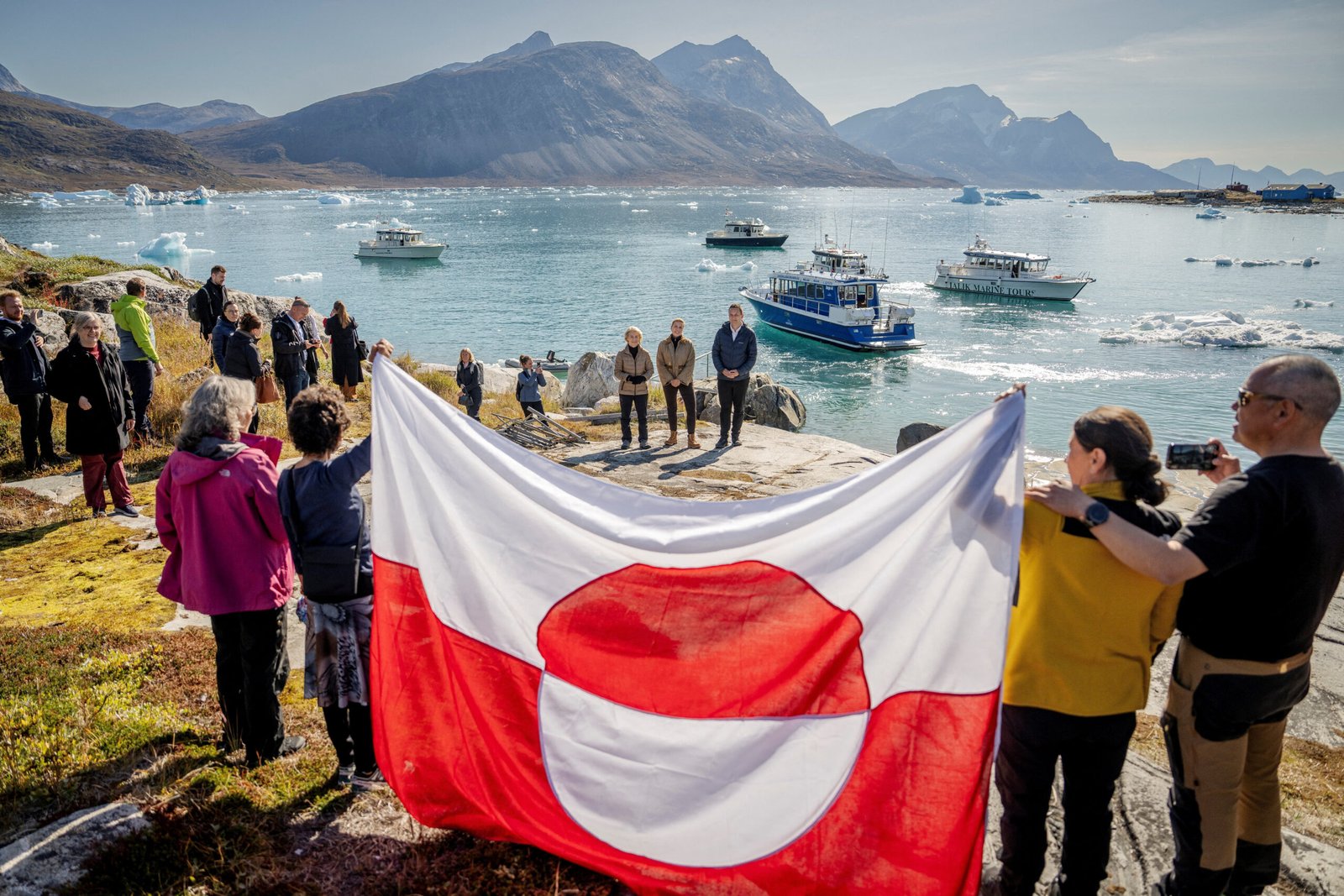
Image: Danish Prime Minister Mette Frederiksen, President of the European Commission Ursula von der Leyen, and Greenland’s Prime Minister Jens-Frederik Nielsen visit Qoornoq in Greenland, September 6, 2026. (Mads Claus Rasmussen/Ritzau Scanpix via Reuters Connect)
Oops…
It looks like we’re having a technical issue.
If refreshing the page doesn’t resolve the issue you could try clearing the sites browser cache.

