

GET UP TO SPEED
Lula is the one left standing. On Sunday, Luiz Inácio Lula de Silva defeated Flávio Bolsonaro to win a historic fourth term as Brazil’s president, after he had come in behind Bolsonaro in the first-round vote. But Lula’s path forward is far from open. At home, Bolsonaro—the son of former President Jair Bolsonaro—has refused to concede, and a right-of-center bloc controls Brazil’s Congress. Abroad, US President Donald Trump had openly backed Lula’s rival, and nearly every other Latin American country has moved to the right politically in recent elections, leaving Lula as one of the region’s few leaders from the left. Below, our experts assess where all this leaves Lula and Brazil.
TODAY’S EXPERT REACTION BROUGHT TO YOU BY
The comeback
- “Never in Brazil’s recent history had a presidential candidate lost in the first round and come back to win the second,” Valentina tells us, adding that Lula’s second-place finish in the first round was a “humbling wake-up call” that energized his party’s efforts to mobilize voters.
- Lula’s victory was propelled by young voters, Jason says, and the victory for the left-wing leader marks a departure from other recent elections in Latin America, in which right-wing candidates have won. “Brazil should never be assumed to follow regional trends,” Jason explains.
- Governing may prove harder. Lula faces a strong right-wing majority in Congress, and Valentina flags “high debt levels and slow economic growth, along with public security” as top domestic challenges. In his victory speech, Lula acknowledged Brazil’s divisions and called for civility rather than unity.
- Plus, Bolsonaro has so far refused to accept the results, which, Valentina explains, “adds another layer of uncertainty and complication to what comes next in Brazil.”
The Washington reset
- US-Brazil ties enter Lula’s fourth term “at a new low,” Jason says, after the Trump administration openly favored Bolsonaro in the election.
- Before the campaign, Trump and Lula had made some efforts to improve US-Brazil relations, including at last year’s United Nations General Assembly. If Lula wants to revive those efforts now, he could start by approving US Ambassador-designate to Brazil Danny Perez, “who has been in limbo” since his confirmation in August, Jason notes.
- “Trade and tariffs are at the forefront of issues Lula will want to discuss with the US,” Valentina adds. But it’s unclear how receptive the Trump administration will be—or even if it will recognize Lula’s win.
- Kezia sees an upside for other right-leaning governments in the region. With Lula in power in Brazil instead of Bolsonaro, Argentinian President Javier Milei, she says, may “not have Brazilian competition for attention in Trump’s Washington.”
Sign up to receive rapid insight in your inbox from Atlantic Council experts on global events as they unfold.
The regional exception
- After right-leaning leaders have won seven of the past eight presidential races across the continent, Lula “will find himself surrounded by governments of the right,” Kezia points out, apart from Uruguay.
- For those neighbors, “the next step will be to find ways to work with a re-elected Lula,” Jason notes. Colombia’s Abelardo de la Espriella is already making headway. He had backed Bolsonaro, but now says their countries need to “work together for the benefit of their people.”
- When it comes to regional trade, there may be rhetorical fireworks, but Kezia expects Mercosur to endure. “Brazil will keep defending the customs union,” leaving the bloc to continue muddling through ideological divides.
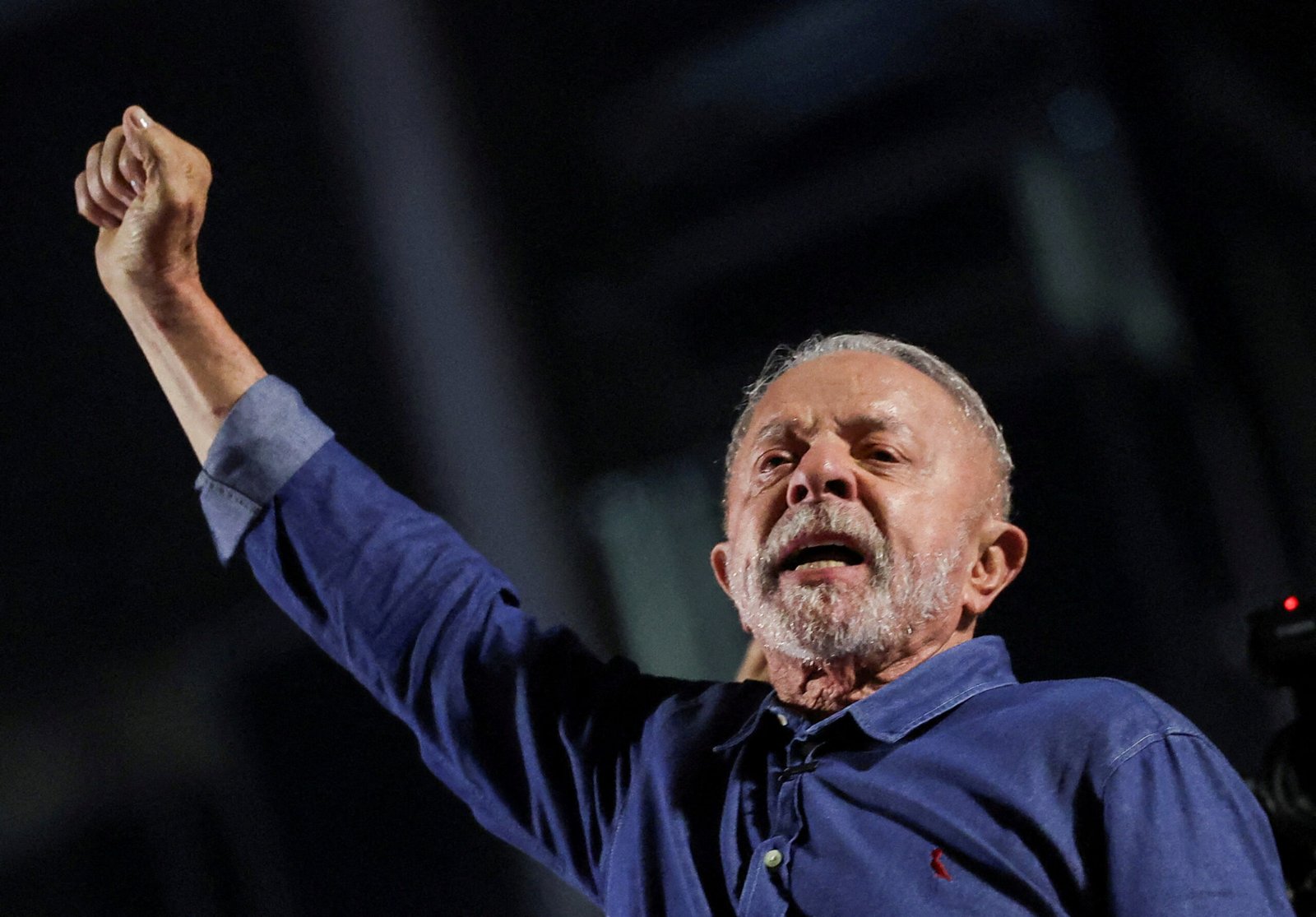
Image: Brazilian President Luiz Inacio Lula da Silva addresses supporters after his victory in the presidential runoff election, at Paulista Avenue, in Sao Paulo, Brazil, October 26, 2026. (REUTERS/Amanda Perobelli)
