

Military veterans face higher rates of chronic medical and mental health conditions than the general public due to the physical demands of their military service, combat stress, and toxic exposures, according to the U.S. Department of Veterans Affairs Health Care Program.
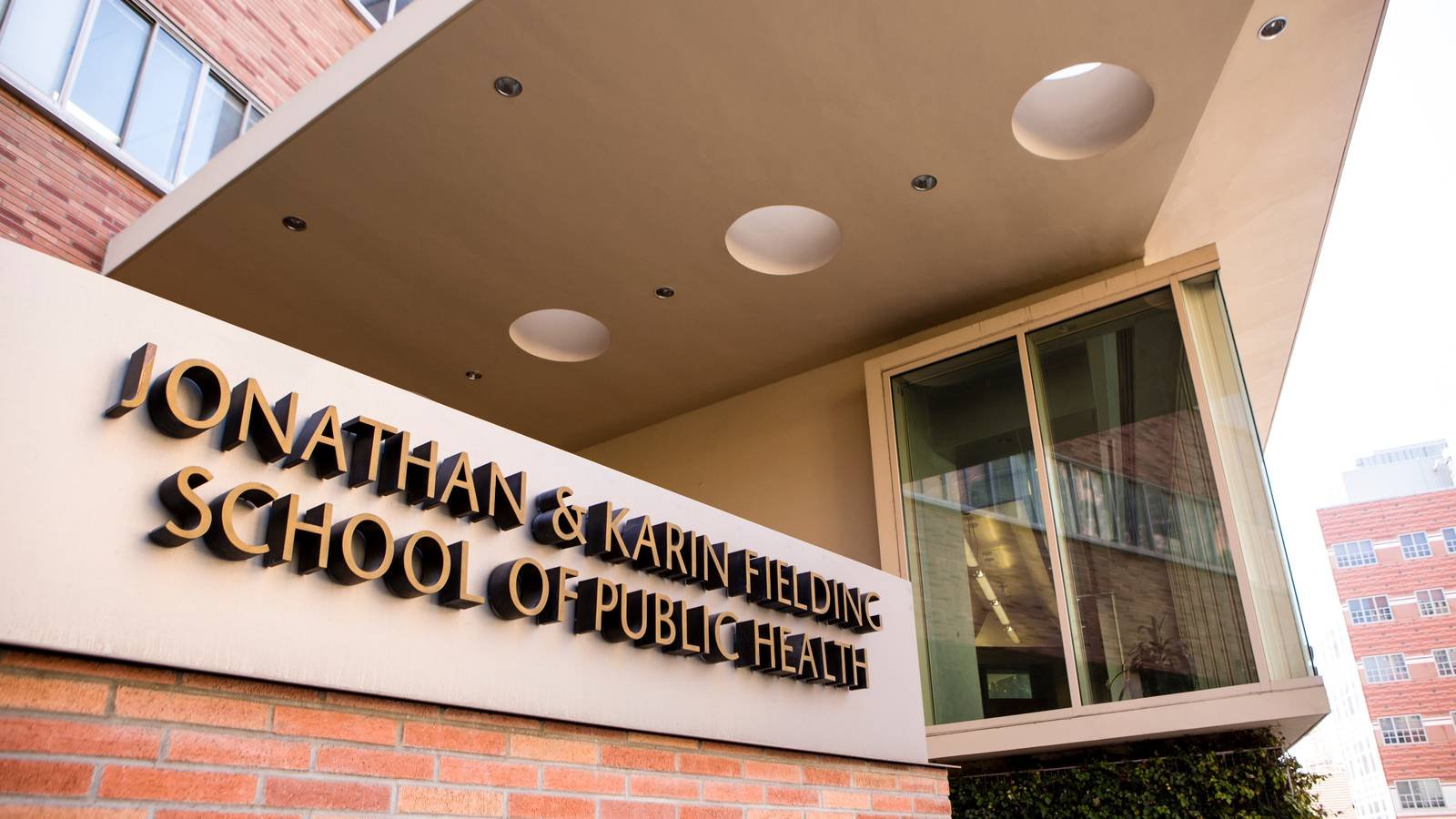
For decades, an evolving team of researchers from the University of California, Los Angeles Fielding School of Public Health has studied those military health conditions.
The school has created a pipeline of graduates who have made military health care a priority by taking a lead role in Department of Veterans Affairs research.
A Decades-Long Partnership in Los Angeles
Dr. Elizabeth Yano, director of the VA’s Center for the Study of Healthcare Innovation, Implementation & Policy at the VA Greater Los Angeles Healthcare System (VAGLAHS), credits UCLA for making veterans’ health and disabilities a passionate cause among its graduates.
“Almost all our researchers at the VA in Los Angeles have their academic appointments at UCLA in the schools of medicine, public health, or both, and those at UCLA Fielding bring their expertise in building health systems and evaluating national programs and policies,” Yano said in a statement to Military.com.
“UCLA Fielding faculty also working at VA Greater LA, or who got their doctoral training at UCLA Fielding, are leading research in primary care, mental health, specialty care, and women’s health, as well as on homelessness and social factors that complicate access to needed services for our nation’s veterans.”
Since its founding in 1961, UCLA’s Fielding School of Public Health has collaborated with VA researchers and health care providers on military health, researching various health outcomes related to colorectal cancer, diabetes, pulmonary disease and beyond.
The issues are top of mind in Los Angeles County, where about 200,000 veterans are known to live, according to VA records. Overall, across Southern California, state and federal estimates show there are roughly 1.4 million veterans.

Dr. Isomi Miake-Lye has been a VA researcher for more than 15 years who earned her doctorate at UCLA Fielding.
“VA research is actually mandated by federal statute to make sure that work directly relevant to veterans’ medical care and treatment needs is prioritized, in the same way that care tailored to veterans’ needs is at the forefront of VA’s healthcare mission,” Miake-Lye said in a statement to Military.com.
“So it shouldn’t come as a surprise that some of the top priority areas include military exposures, traumatic brain injury, suicide prevention, and chronic pain, as some examples.”
But the partnership doesn’t work through UCLA Fielding and the VA alone. Many veterans in the Los Angeles area have come to know and rely on the VA’s special connection to UCLA research into chronic health issues affecting veterans, according to Dr. Russell Buhr, a pulmonary and critical care physician with UCLA and at the VA. He earned his Ph.D. from the university.
“Veterans are some of the most engaged patients and research participants I work with; many see joining a study as another way to serve, because it helps the veterans who come after them,” Buhr said. “They’re also refreshingly direct about what is and isn’t working, which makes our research better.”

Research That Reaches Beyond the VA
Buhr’s combined work as a clinical care physician and research scientist is typical of many of the UCLA Fielding alums who work at VAGLAHS. He said the findings of his veteran-focused research help all patients with similar conditions.
“My team’s VA-funded research asks a simple question with big consequences: are veterans with asthma and COPD getting the treatments that national guidelines recommend, and if not, why not?” Buhr said.
”We use the VA’s nationwide electronic health record to track how quickly new recommendations reach veterans, and we’re also building measures the VA can use to monitor and improve lung care in every clinic. Asthma and COPD affect tens of millions of Americans, so what we learn about turning evidence into everyday practice applies well beyond the VA.”
Dr. Fola May, a UCLA Ph.D. colorectal cancer physician now working at the VA Medical Center in Westwood and as a cancer research scientist at UCLA Health’s Jonsson Comprehensive Cancer Center. She believes the willingness of veterans to undergo screenings and clinical trials serves everyone.
“They are some of the most grateful patients I have been privileged to provide care for, and they also have a very strong sense of service, community, and purpose in research,” May said. “Many recognize that by participating in research, they are helping not only themselves, but also fellow veterans and future generations of patients.”

This Year’s UCLA-VA Studies
UCLA Fielding researchers have co-authored multiple studies with the VA this year. Among them:
- An analysis(October) of stress and anxiety among health care personnel during the COVID-19 pandemic.
- The effects (October) of hormone treatment on kidney function.
- How to improve (September) women’s health research among military and veteran populations.
- A study (September) of the mental health of medical residents working in intensive care units.
- A six-year-long analysis (August) of health failure care in the VA health system.
- The use (July) of acupuncture to treat chronic pain.
- The outcomes of treatment (July) for veterans with advanced chronic kidney disease.
- A review (July) of lung cancer screening as a technique to reduce mortality.
- Diabetes prevention (May) among veterans with a prediabetes condition.
On its website, UCLA Fielding touts its dedication to enhancing public health by conducting innovative research, training future leaders and health professionals from diverse backgrounds, translating research into policy and practice, and serving communities locally, nationally and globally.
The school has more than 1,000 students from 28 nations engaged in carrying out the vision of building healthy futures.
Dr. Carlos Oronce, an internal medicine physician at UCLA and a VA researcher, said his public health education at UCLA Fielding helped to narrow his focus on veterans’ health.
“One of the most valuable lessons I learned at Fielding was to always ask, ‘Why does this matter?’ ” Oronce said. “Regardless of how sophisticated the research methods are, the work must be relevant to improving health and healthcare. I carry that mindset into my work at the VA and use it to guide the questions and projects I pursue.”
