

The U.S. Postal Service’s regulator on Thursday argued that the agency’s financial woes will not be resolved until Congress sets up a funding system for the USPS that supports its desired service requirements, echoing calls from the agency’s leadership and other oversight entities.
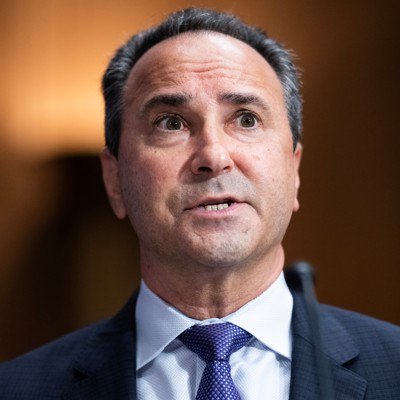
“Only by first specifically defining what America needs of its postal service and what that costs will Congress then truly know how best to fix the fundamental funding structure while preserving appropriate service and delivery standards,” said Robert Taub, the vice chairman of the Postal Regulatory Commission, before the House Oversight and Government Reform Subcommittee on Government Operations.
Postmaster General David Steiner testified to the panel in March that USPS could run out of money as soon as this fall. Because the PRC in April authorized the agency to temporarily suspend certain employer contributions to the Federal Employees Retirement System, however, Taub said that the looming financial cliff has been pushed back by several years.
“This is not a panacea nor a permanent or long-term fix to the postal service’s problems, but it does allow Congress an opportunity to enact thoughtful and fundamental change as opposed to choices of desperation,” he said.
At the time, USPS officials said the FERS suspension would not cause “any immediate detrimental impact to current or future retirees,” and the PRC noted that the agency had only been making partial payments in recent years.
In March, Steiner also told the Government Reform Subcommittee that changes were needed to USPS’ self-sustaining business model and/or its service expectations: “If you want the same number of delivery days and post offices, we can do that, but someone has to pay for it. If you want to have a discussion about reducing services, we can do that.”
The Government Accountability Office also has long reported that USPS’ current business model is unsustainable.
Both Subcommittee Chairman Pete Sessions, R-Texas, and ranking member Kweisi Mfume, D-Md., agreed on Thursday that lawmakers need to reach agreement on what USPS service standards will be going forward in order to shore up the postal agency’s finances.
“If we don’t do that, then we’ve just not done anything,” Mfume said. “I mean, we’ve just kicked the ball down the road.”
In addition to structural reform, Steiner and the USPS Board of Governors have called on Congress to increase the postal agency’s $15 billion statutory debt limit in response to the financial shortfalls. But Sessions expressed doubts about that proposal.
“There is no reason to assume additional borrowed funds infused into this unintended business model would be anything more than throwing good money at bad results,” he said.
Also during the hearing, PRC commissioners and members of both parties criticized Delivering for America — an ongoing postal modernization plan started by former Postmaster General Louis DeJoy that he predicted would enable USPS to break even by fiscal 2023 generally by slowing some delivery and increasing the prices of certain products. But the agency experienced a net loss of $2 billion in the most recent quarter.
