

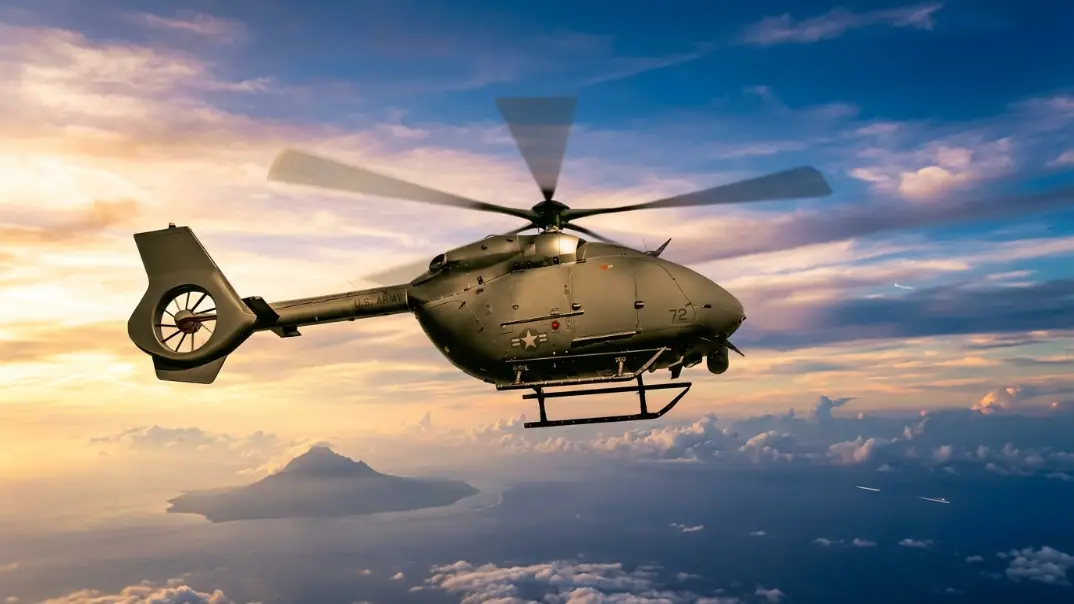
Defense Feeds, Washington — The US Marine Corps is advancing its autonomous logistics strategy as the US Marines MQ-72C Lakota program expands Pacific combat resupply with the development of an unmanned helicopter designed for contested environments.
The MQ-72C autonomous aircraft is expected to support combat resupply missions across the Indo-Pacific, where long distances and dispersed operations create major logistical challenges.
The initiative reflects the Marine Corps’ growing focus on distributed warfare concepts. In future conflicts, particularly in the Pacific region, smaller and mobile units may need to operate across isolated islands and remote coastal areas. Sustaining these forces will require faster and less vulnerable resupply methods.
Autonomous systems like the MQ-72C offer a potential solution. By reducing reliance on crewed aircraft for high-risk logistics missions, the Marines aim to improve operational flexibility while lowering exposure to enemy threats. The platform is becoming part of a broader transition toward unmanned support systems.
Autonomous Resupply for Distributed Operations
The MQ-72C Lakota is being developed to support autonomous combat resupply missions in environments where conventional logistics operations may be difficult or dangerous. The aircraft is based on a helicopter platform capable of vertical takeoff and landing, allowing it to operate from limited or improvised locations.
This capability is especially important in the Indo-Pacific theater. The region’s geography presents unique operational demands, with forces potentially spread across large maritime areas and small islands. Traditional supply chains could become vulnerable in contested conditions.
An autonomous helicopter allows supplies, ammunition and equipment to be delivered without risking aircrews. This is particularly valuable in areas threatened by enemy air defenses or long-range strike systems. The ability to sustain frontline units while minimizing personnel exposure is becoming increasingly important.
The MQ-72C may also support casualty evacuation and reconnaissance missions in the future. Expanding its operational role would increase the platform’s value and flexibility. Such versatility aligns with the Marine Corps’ emphasis on adaptable expeditionary forces.

Supporting Pacific Strategy and Modern Warfare
The development of the MQ-72C reflects broader strategic planning focused on the Pacific region. The Marine Corps has increasingly emphasized mobility, survivability and distributed operations as central elements of future warfare. Autonomous logistics platforms directly support these objectives.
Modern conflicts are expected to involve highly contested environments where traditional supply routes may be disrupted. Maintaining operational tempo under such conditions requires more resilient logistics systems. Autonomous aircraft can help sustain operations even when access becomes limited.
The Pacific theater also places heavy demands on aviation assets due to distance and geography. Using unmanned helicopters for routine resupply missions allows crewed aircraft to focus on other operational priorities. This improves overall force efficiency.
In addition, autonomous systems can operate continuously without the same physical limitations as human crews. This increases mission endurance and responsiveness. As technology advances, these capabilities are likely to become even more important.
Growing Role of Unmanned Logistics Systems
The MQ-72C program highlights the expanding role of unmanned systems beyond reconnaissance and strike missions. Logistics is emerging as one of the most promising areas for autonomous technology. Delivering supplies in dangerous or inaccessible areas can significantly improve battlefield sustainability.
Military planners increasingly view logistics resilience as critical to success in modern warfare. Forces that cannot sustain operations over time become vulnerable regardless of combat capability. Autonomous resupply systems help address this challenge by providing additional flexibility.
The use of unmanned helicopters also reflects advancements in navigation, automation and remote operations. Reliable autonomous flight in complex environments requires sophisticated sensors and control systems. Continued testing and development will be essential for operational success.
Looking ahead, autonomous logistics aircraft may become a standard feature of expeditionary operations. Their ability to support dispersed forces fits closely with evolving military doctrines focused on mobility and adaptability. The Marine Corps’ investment in the MQ-72C demonstrates a clear recognition of this shift.
As competition intensifies in the Indo-Pacific, maintaining supply lines under contested conditions will become increasingly difficult. Platforms like the MQ-72C are designed to meet these emerging operational demands. The program represents another step toward integrating autonomous systems into the future battlefield.
