

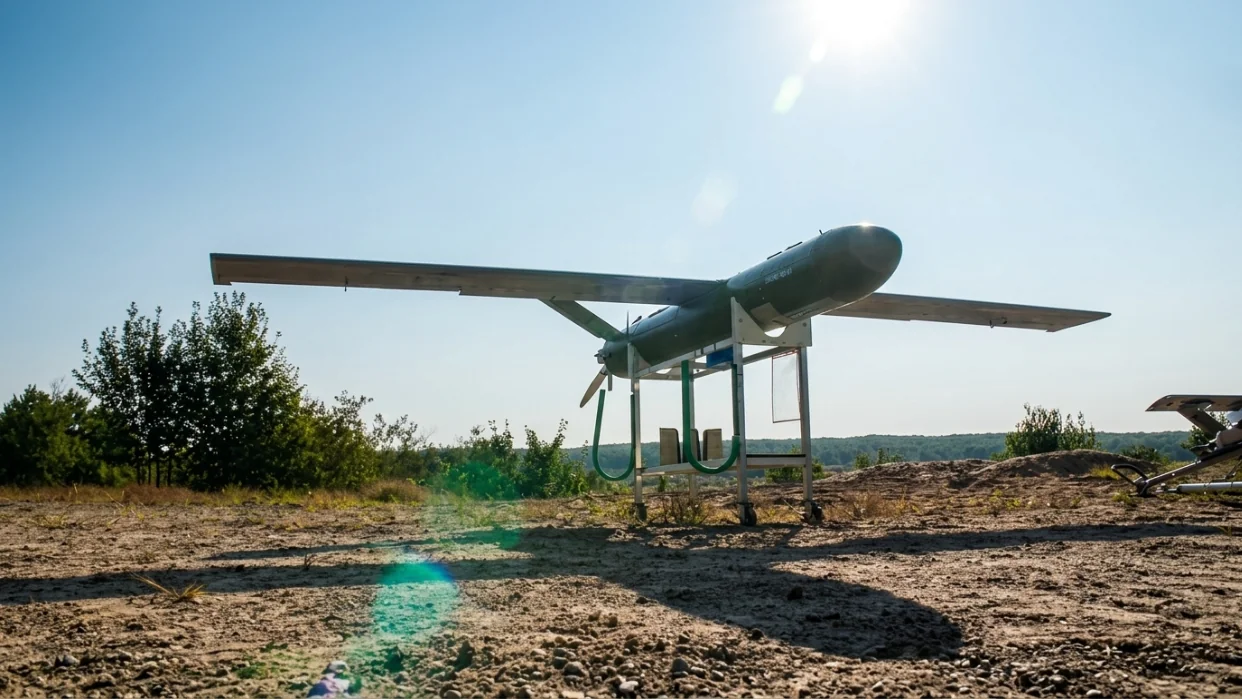
Defense Feeds, Washington – The AEVEX long-range strike drone program has received a major boost after the U.S. Air Force awarded AEVEX Aerospace a $50 million contract to develop an advanced unmanned aircraft capable of operating in GPS-denied combat environments.
The project is designed to strengthen future long-range precision strike capabilities by enabling autonomous missions even when satellite navigation systems are disrupted by electronic warfare or enemy countermeasures.
The award reflects the Air Force’s growing emphasis on resilient autonomous systems as modern battlefields become increasingly contested across the electromagnetic spectrum. Future conflicts are expected to involve extensive jamming and cyber attacks targeting navigation and communication networks, making independent operation a critical requirement for next-generation unmanned aircraft.
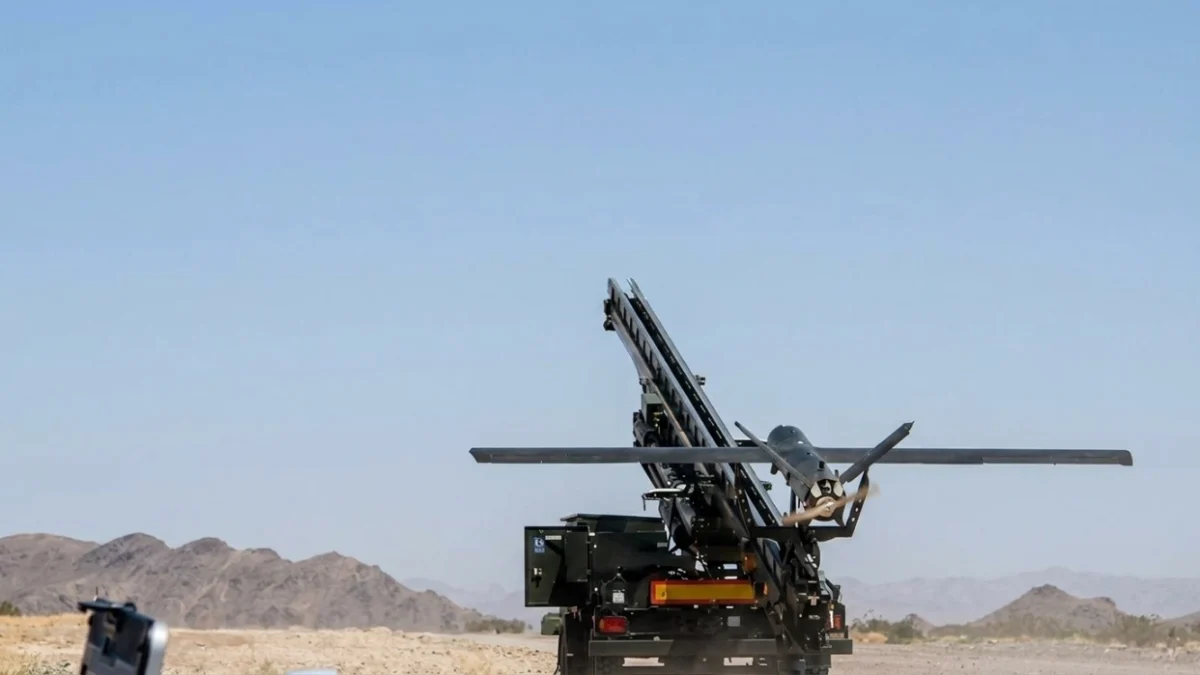
AEVEX Long-Range Strike Drone Targets GPS-Denied Operations
The AEVEX long-range strike drone is being developed to address one of the most significant challenges facing modern military aviation: maintaining mission effectiveness when GPS signals are unavailable or intentionally disrupted.
Electronic warfare capabilities have expanded rapidly in recent years, with advanced militaries investing heavily in systems capable of degrading satellite navigation, communications and precision-guided weapons. Aircraft that rely solely on GPS risk losing navigation accuracy or mission effectiveness in highly contested environments.
The Air Force’s investment seeks to overcome this vulnerability by developing an autonomous strike drone capable of continuing missions using alternative navigation technologies and onboard decision-making systems. Such capabilities would improve operational resilience while reducing dependence on external positioning signals.
The contract also highlights the Pentagon’s continued interest in expanding its portfolio of autonomous combat systems capable of supporting both conventional and high-intensity military operations.
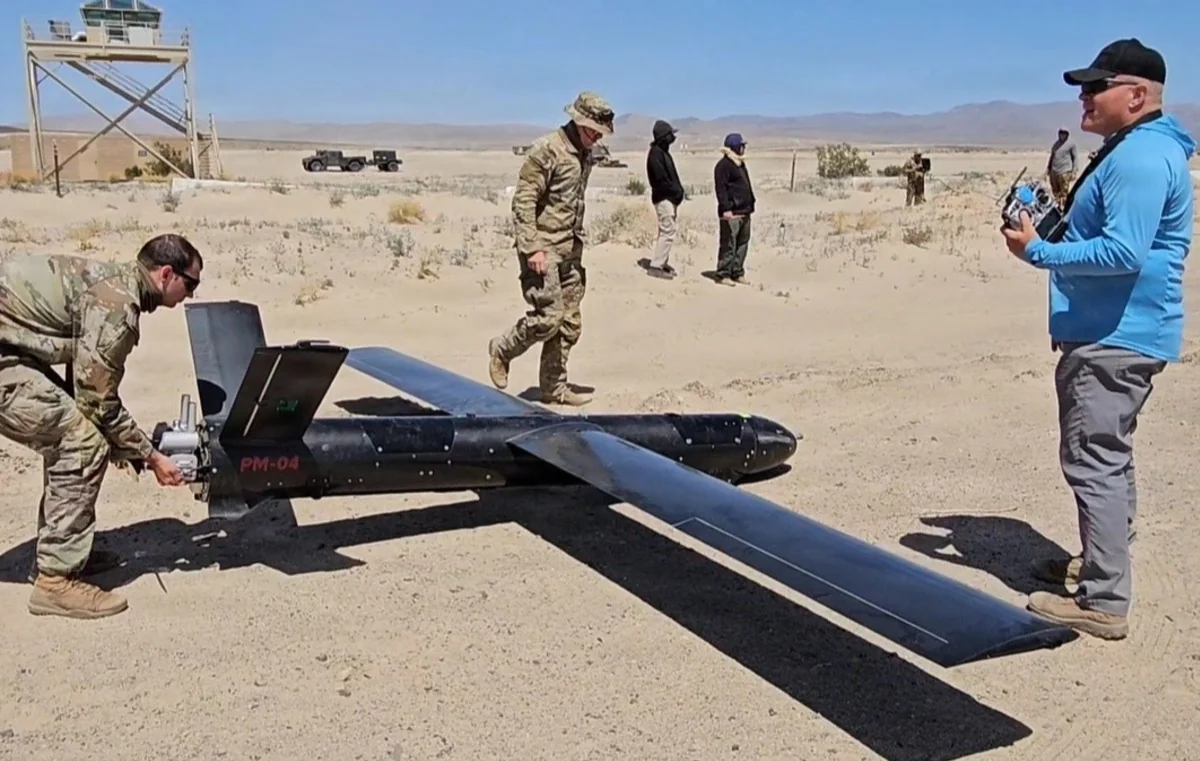
Autonomous Navigation Expands Precision Strike Capability
A key objective of the AEVEX long-range strike drone program is enabling precision strike missions without continuous reliance on satellite navigation. Instead of depending exclusively on GPS, the aircraft is expected to incorporate multiple navigation methods capable of maintaining accurate flight paths in electronically contested environments.
This approach increases survivability during operations against sophisticated integrated air defense systems, where electronic attack has become a standard component of modern warfare. Autonomous navigation also reduces the operational impact of signal jamming while allowing unmanned aircraft to continue missions with limited external support.
Beyond navigation, the drone is expected to support long-range reconnaissance and precision engagement missions across extended distances. Combining autonomous flight with precision strike capability provides commanders with additional options for conducting operations while reducing risk to manned aircraft.
The program aligns with broader Department of Defense efforts to accelerate autonomous technologies that can operate independently or alongside crewed aircraft in future combat scenarios.
Strategic Importance for Future Air Warfare
The AEVEX long-range strike drone illustrates how unmanned combat aircraft are evolving beyond remotely piloted platforms into increasingly autonomous systems capable of operating in highly contested environments.
Future military operations are expected to involve persistent electronic warfare, cyber attacks and degraded communications. Aircraft capable of maintaining navigation and mission execution without continuous external guidance will therefore become increasingly valuable.
For the U.S. Air Force, developing resilient autonomous strike drones supports broader modernization priorities that emphasize distributed operations, long-range precision engagement and survivability against advanced adversaries.
The contract also reflects the Pentagon’s growing investment in the domestic defense technology sector, encouraging companies such as AEVEX Aerospace to develop innovative capabilities that complement existing combat aircraft and future collaborative combat systems.
As unmanned aviation continues to advance, autonomous navigation will likely become a defining feature of next-generation combat platforms. The AEVEX long-range strike drone program represents another step toward that future, combining long-range precision strike capability with the ability to operate effectively in GPS-denied environments where traditional navigation methods may no longer be reliable.
