

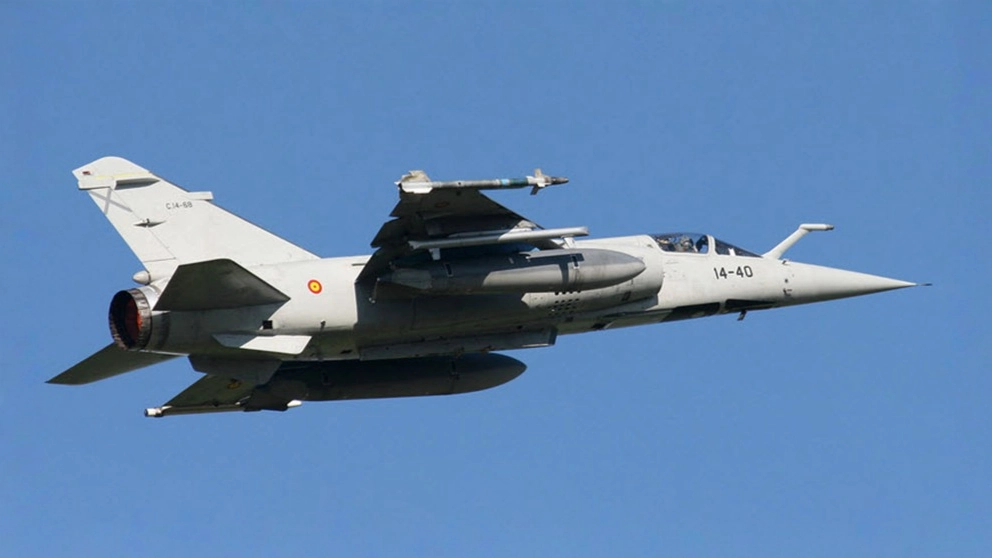
Some fighter jets dominate headlines for a decade and vanish. The Mirage F1 didn’t. It lingered. Adapted. Kept flying long after aviation analysts quietly assumed it would retire into museum silence.
That’s part of what makes the Dassault Mirage F1 fascinating.
Born during the tense middle years of the Cold War, the aircraft arrived at a moment when military aviation was shifting gears. Air forces wanted speed, yes, but also flexibility.
Pilots needed a fighter that could intercept bombers one day and attack ground targets the next without behaving like an uncontrollable missile with wings attached. France answered with the Mirage F1.
And unlike earlier Mirage fighters, this one broke tradition.
Instead of the famous tailless delta wing used on the Dassault Mirage III, Dassault engineers chose a swept-wing layout. It looked less exotic, maybe even less “French,” but the change dramatically improved low-speed handling and shortened landing distances. Pilots appreciated that immediately. Especially the ones operating from rough or cramped runways in desert conditions.
The result? A fighter jet that spread across the globe faster than many people realize.
From Iraq to Morocco, South Africa to Spain, the Mirage F1 became one of France’s most successful export aircraft. It fought in regional wars, escorted strike packages, launched anti-ship missiles, and, somehow, remained relevant well into the 21st century.
That’s the odd charm of the Mirage F1. It never tried to be glamorous. It just kept proving useful. And in military aviation, usefulness tends to outlive hype.
What Is the Dassault Mirage F1?
The Dassault Mirage F1 wasn’t supposed to be revolutionary. At least, not in the cinematic, moonshot kind of way that usually fills aviation documentaries with dramatic music and slow-motion runway footage. Its mission was simpler: fix the weaknesses of earlier Mirage fighters without sacrificing the speed and punch that made French jets famous.
That sounds straightforward. It wasn’t.
During the 1960s, France relied heavily on the Dassault Mirage III, a sleek delta-wing interceptor capable of blistering speeds above Mach 2. But pilots kept running into the same problem, landing characteristics.
Delta wings performed beautifully at high speed, yet they demanded fast landing approaches and long runways. In combat conditions, especially on damaged airstrips, that became risky. Occasionally terrifying.
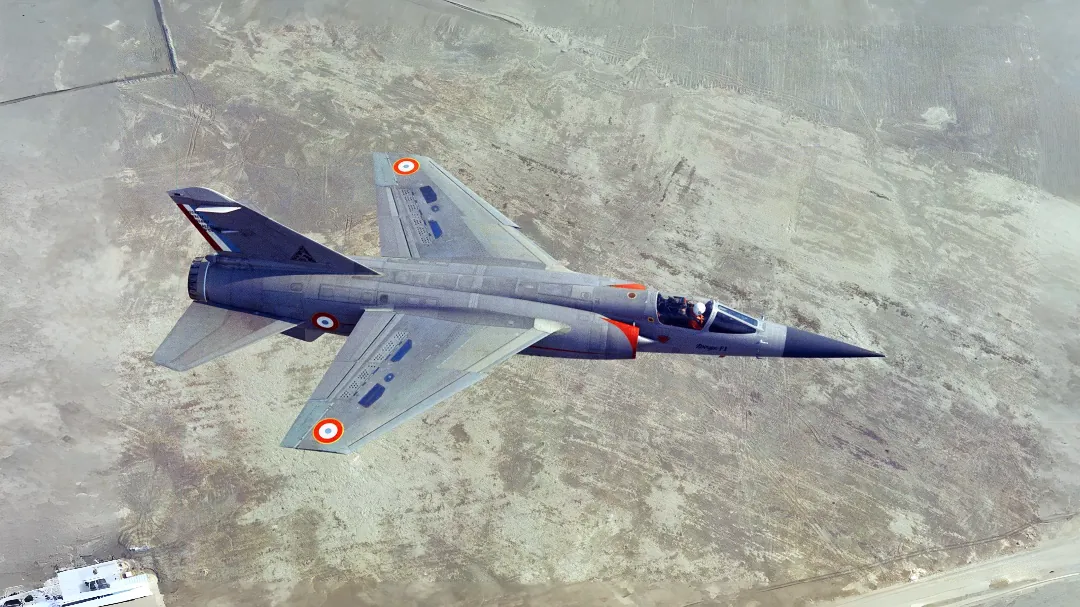
Dassault engineers decided to rethink the formula.
The Mirage F1 emerged with a conventional swept wing and horizontal tailplane, a major departure from previous Mirage designs. It may sound like a technical footnote, but it completely changed how the aircraft behaved in the air. The jet became more forgiving during takeoff and landing, more agile at medium altitudes, and better suited for multirole combat operations.
Its first flight took place in 1966. A few years later, France officially selected it as the next frontline fighter for the French Air Force.
And then exports exploded.
By the late 1970s, the Mirage F1 had become a Cold War workhorse. More than 720 aircraft were produced, serving in Europe, Africa, and the Middle East. Some countries used it as an interceptor. Others transformed it into a strike platform or reconnaissance aircraft.
That flexibility became the Mirage F1’s real weapon, not just its missiles or radar system, but its ability to adapt to wildly different wars, climates, and missions without falling apart under pressure.
Mirage F1 Specifications
On paper, the Mirage F1 looked compact compared to heavyweight Cold War fighters like the McDonnell Douglas F-15 Eagle or the Sukhoi Su-27. But numbers can be deceptive.
The French jet packed an unusual amount of performance into a relatively lean airframe, almost like a rapier compared to a broadsword.
At the heart of the aircraft sat a single SNECMA Atar 9K-50 turbojet engine, producing roughly 15,000 pounds of thrust with afterburner.
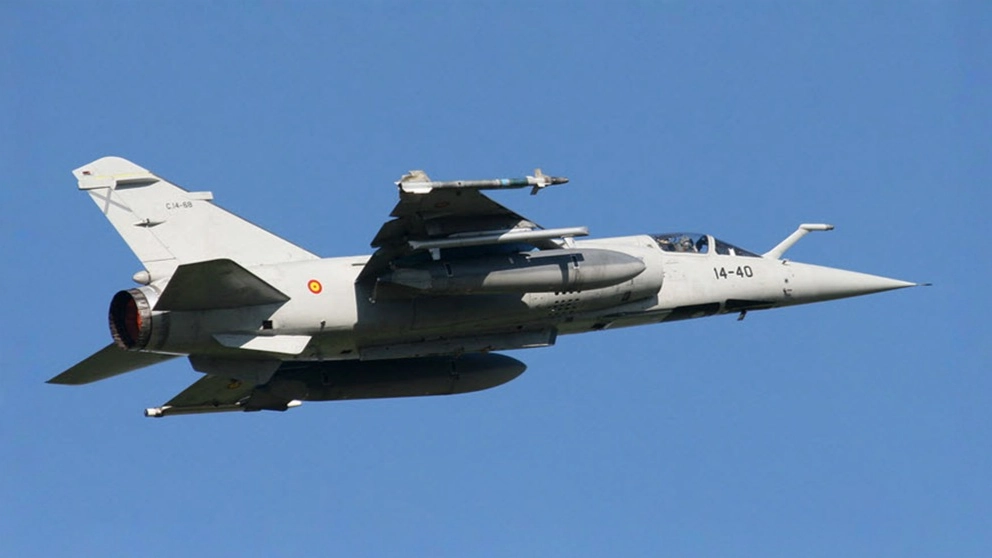
That gave the Mirage F1 a top speed of around Mach 2.2, fast enough to intercept enemy bombers or escape trouble in a hurry. Pilots often praised its acceleration at medium altitude, where the aircraft felt especially responsive.
Range was another pleasant surprise. With external fuel tanks attached, the Mirage F1 could conduct long patrols or strike missions without relying constantly on tanker support. That became valuable for nations operating across massive desert regions.
Here’s a quick look at the aircraft’s core specifications:
| Specification | Mirage F1 Data |
| Manufacturer | Dassault Aviation |
| Crew | 1 |
| Length | 15 meters |
| Wingspan | 8.4 meters |
| Max Speed | Mach 2.2 |
| Engine | SNECMA Atar 9K-50 |
| Combat Radius | Approx. 425 miles |
| Service Ceiling | 20,000 meters |
| Internal Guns | 2 × 30 mm DEFA cannons |
One overlooked detail? The aircraft’s weight balance.
The Mirage F1 maintained relatively stable handling even when carrying mixed weapons loads, something not every Cold War fighter managed gracefully. Some jets became awkward once loaded with bombs and fuel tanks.
The Mirage F1 remained surprisingly composed, important when missions shifted from interception to low-level attack in the same deployment cycle.
Mirage F1 Weapons and Avionics
The Mirage F1 earned respect not because it carried the biggest weapons load of its era, but because it could adapt to almost any mission thrown at it.
Interception, ground attack, reconnaissance, anti-ship strikes, it handled all of them with the quiet confidence of a fighter designed by engineers who understood real-world combat tends to get messy.
Its internal armament alone was intimidating for the period.
The aircraft carried two 30 mm DEFA cannons, mounted beneath the fuselage. These guns fired hard-hitting rounds capable of shredding aircraft or lightly armored ground targets in seconds. Pilots trusted them. Missile technology in the 1970s still had reliability issues, so cannons remained very relevant when dogfights got close and chaotic.
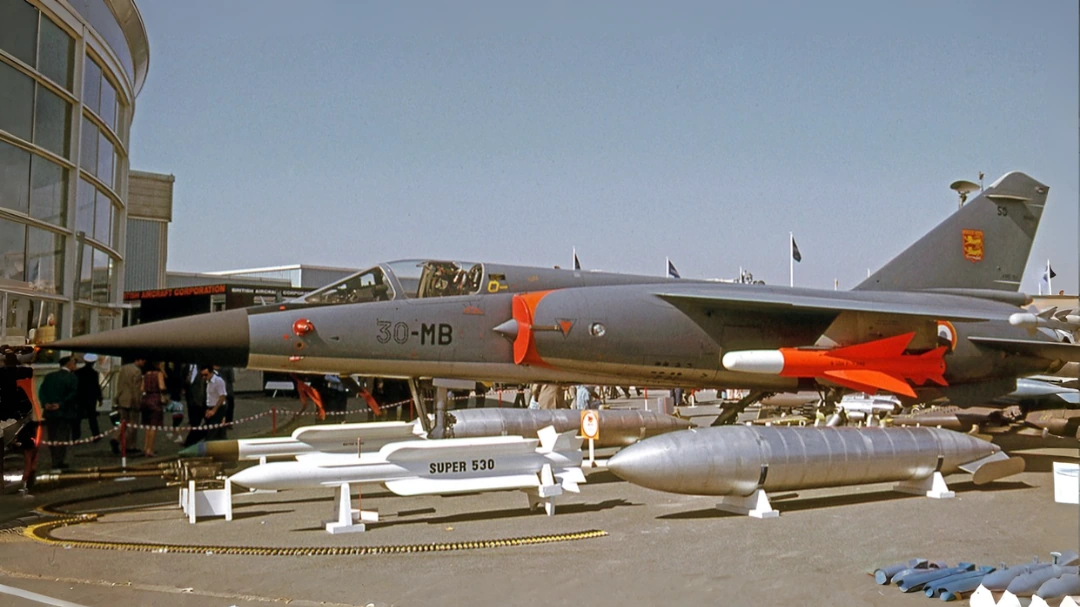
For air-to-air combat, the Mirage F1 commonly used the Matra R550 Magic short-range missile and the radar-guided Super 530 missile for longer engagements. Together, they gave the fighter respectable interception capability against enemy aircraft flying at both low and high altitude.
The avionics suite evolved constantly across different variants. Early Mirage F1 models used the Cyrano IV radar, which improved target tracking and navigation compared to older French systems. Later upgrades added laser targeting pods, electronic countermeasures, and compatibility with precision-guided munitions.
Here’s a simplified overview of key systems:
| System | Purpose |
| DEFA 30 mm Cannons | Close-range combat |
| R550 Magic Missile | Short-range dogfighting |
| Super 530 Missile | Beyond-visual-range interception |
| Cyrano IV Radar | Air interception and targeting |
| Reconnaissance Pods | Tactical intelligence gathering |
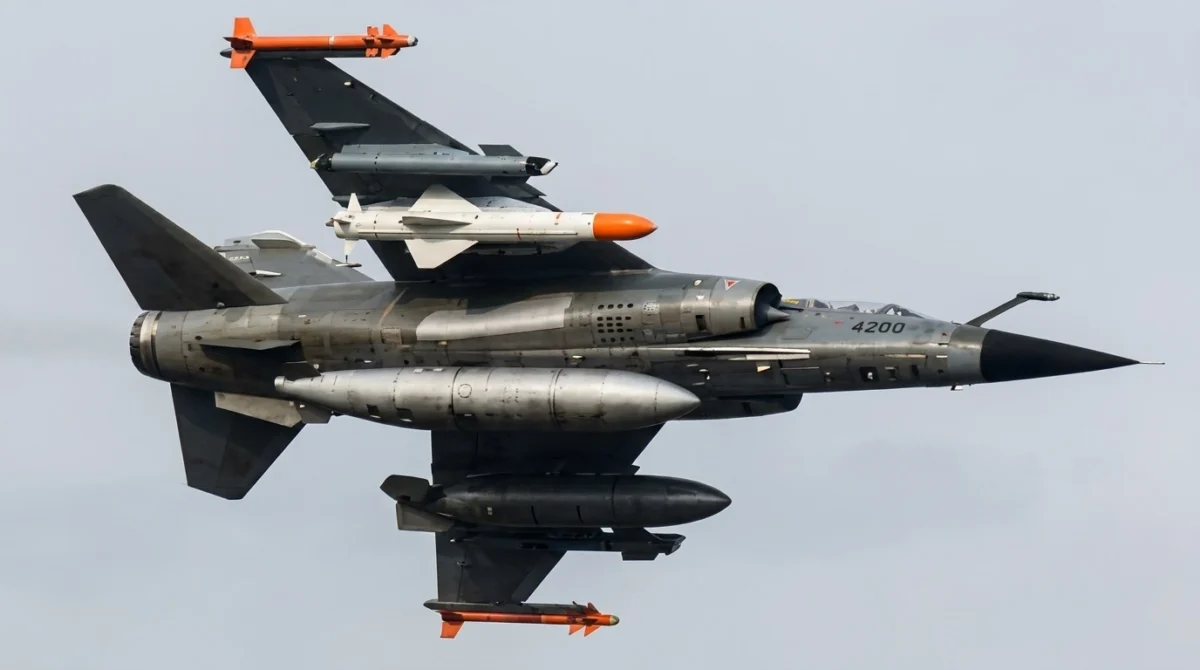
One particularly interesting feature was the aircraft’s anti-ship capability. Some export versions could launch the AM39 Exocet missile, turning the Mirage F1 into a maritime strike platform capable of threatening naval vessels far from shore.
That flexibility explains why so many countries kept modernizing the aircraft instead of retiring it outright. The Mirage F1 could evolve without losing its personality. Not every Cold War jet managed that trick.
Combat History of the Mirage F1
The Mirage F1 wasn’t built to sit in air museums polished under soft lighting. It was built for war, and unlike many Cold War fighters that spent their careers mostly intercepting training aircraft and scaring radar operators, the Mirage F1 saw an extraordinary amount of actual combat.
Its combat résumé stretches across deserts, coastlines, border wars, and political disasters.
One of the aircraft’s most intense deployments came during the Iran–Iraq War in the 1980s. Iraqi Mirage F1EQ fighters flew strike missions against Iranian infrastructure, oil facilities, and naval targets in the Persian Gulf.
Some were equipped with the AM39 Exocet missile, the same anti-ship weapon that gained global attention during the Falklands conflict. Tankers and merchant vessels suddenly became vulnerable in ways many naval planners hadn’t fully anticipated.
The aircraft also gained prominence in southern Africa.
South African-operated Mirage F1 variants engaged in combat during the Border War, often facing Soviet-supplied opponents in difficult desert conditions. Pilots valued the aircraft’s durability and acceleration at low altitude, especially during rapid hit-and-run operations over remote terrain.
France itself used the Mirage F1 in multiple overseas operations, including missions over Chad, Iraq, Afghanistan, and the Balkans. Reconnaissance versions proved particularly valuable because they could gather intelligence quickly without requiring enormous logistical support.
Interestingly, the Mirage F1 developed a reputation for surviving punishment. It wasn’t invincible, far from it, but crews often described it as rugged and dependable under harsh operational conditions.
That reliability may explain why some nations continued flying the aircraft decades after newer fighters entered service. Combat tends to expose weaknesses quickly. The Mirage F1 kept proving it could endure.
Mirage F1 vs Other Fighter Jets
The Mirage F1 occupied an unusual middle ground in fighter aviation. It wasn’t as massive or technologically extravagant as the Grumman F-14 Tomcat, and it didn’t have the raw close-range agility of lightweight dogfighters like the Mikoyan-Gurevich MiG-21. What it offered instead was balance, and balance ages surprisingly well in combat aviation.
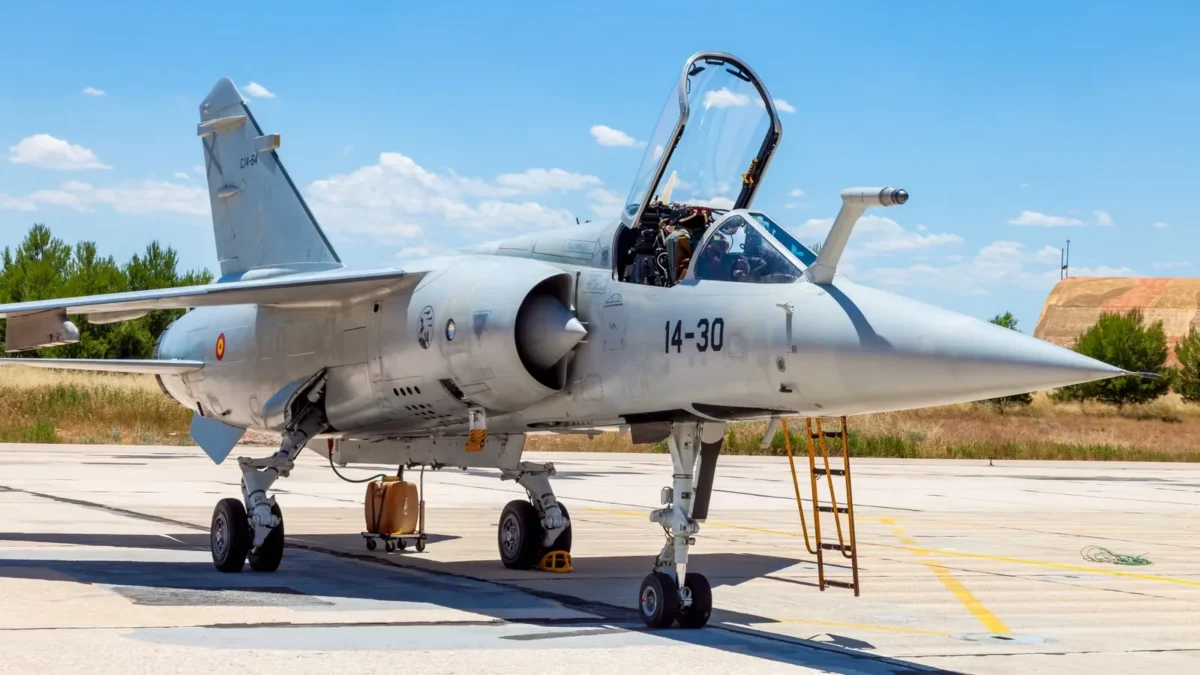
Compared to the older Dassault Mirage III, the Mirage F1 felt far more practical. The swept-wing layout improved takeoff and landing behavior dramatically, reducing pilot workload during stressful operations.
Mirage III pilots often approached runways at alarmingly high speeds due to the delta-wing design. The Mirage F1 softened that problem without sacrificing supersonic performance.
Against the Mirage 2000, though, things become more complicated.
The Mirage 2000 introduced fly-by-wire systems, advanced avionics, and superior radar technology. In many ways, it represented the future of French fighter design.
Yet some pilots still appreciated the Mirage F1’s mechanical simplicity. It required less technological babysitting and could operate effectively from rougher environments with lower maintenance demands.
Here’s a simplified comparison:
| Aircraft | Top Speed | Wing Type | Main Strength |
| Mirage F1 | Mach 2.2 | Swept Wing | Versatility |
| Mirage III | Mach 2.0 | Delta Wing | High-speed interception |
| Mirage 2000 | Mach 2.2 | Delta Wing | Advanced avionics |
| MiG-21 | Mach 2.05 | Delta Wing | Lightweight agility |
Perhaps the Mirage F1’s greatest advantage was adaptability. It could switch between interception, strike missions, reconnaissance, and anti-ship warfare with relatively modest modifications.
Not every fighter jet becomes iconic. Some become useful instead. And military planners tend to remember useful aircraft for a very long time.
Why the Mirage F1 Was Successful
The success of the Mirage F1 wasn’t built on flashy marketing or futuristic technology.
In fact, compared to some Cold War rivals, the aircraft looked almost conservative. But that may have been its secret. While other nations chased increasingly complicated fighter programs, Dassault created something air forces could actually operate, maintain, and afford without draining their entire defense budget.
That practicality mattered more than people sometimes realize.
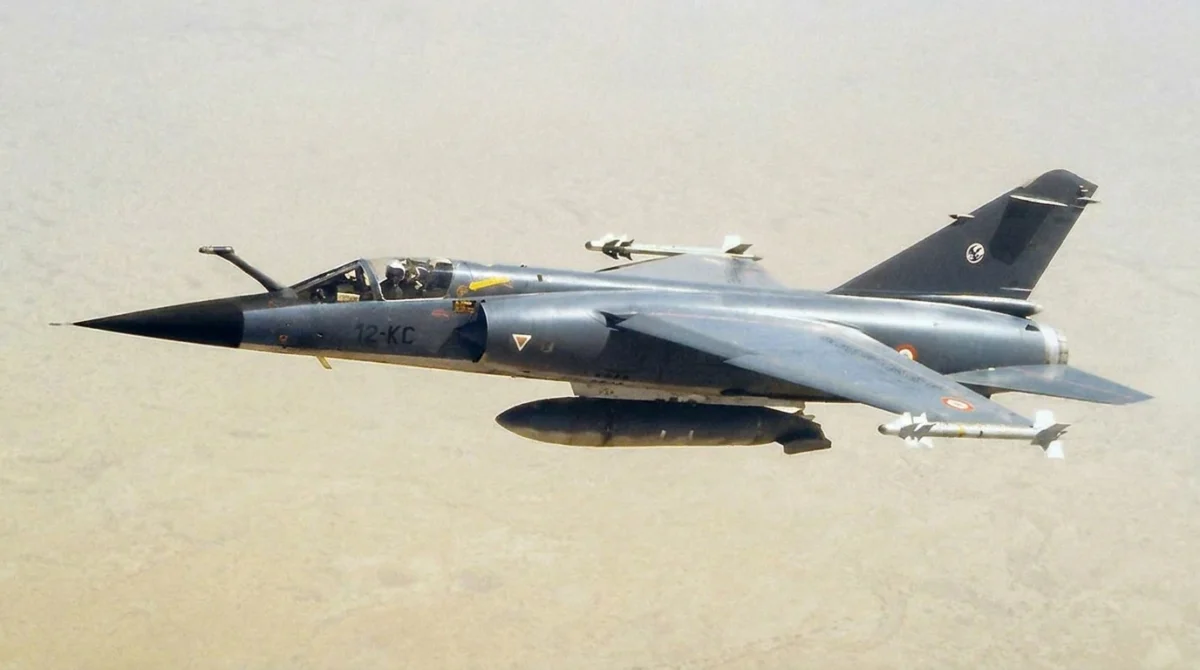
The Mirage F1 arrived at the perfect moment in aviation history. Many countries needed a modern fighter capable of handling multiple roles, yet they couldn’t afford enormous twin-engine aircraft like the McDonnell Douglas F-15 Eagle. The Mirage F1 offered strong performance in a smaller, more manageable package.
And it adapted beautifully.
Some operators configured the aircraft primarily for interception missions. Others transformed it into a strike fighter carrying laser-guided bombs or anti-ship missiles. Reconnaissance variants gathered battlefield intelligence across hostile territory. Few export fighters of the era managed such flexibility without becoming overly complicated.
Another factor was survivability.
The Mirage F1 earned a reputation for ruggedness in harsh climates, especially desert operations. Sand, heat, remote airfields, conditions that punished delicate aircraft, didn’t cripple the Mirage F1 as easily as expected. Maintenance crews appreciated its relatively accessible systems and dependable engine design.
Here’s a quick breakdown of why the aircraft remained popular:
| Strength | Why It Mattered |
| Multirole capability | Reduced need for multiple aircraft types |
| Lower operating costs | Attractive to export customers |
| Reliable performance | Effective in difficult climates |
| Upgrade potential | Extended operational lifespan |
Perhaps most importantly, the aircraft avoided becoming obsolete too quickly. Modern radar systems, targeting pods, and digital avionics could be integrated over time, allowing older airframes to remain combat-capable decades after production ended.
In military aviation, longevity usually means somebody got the fundamentals right. The Mirage F1 clearly did.
