

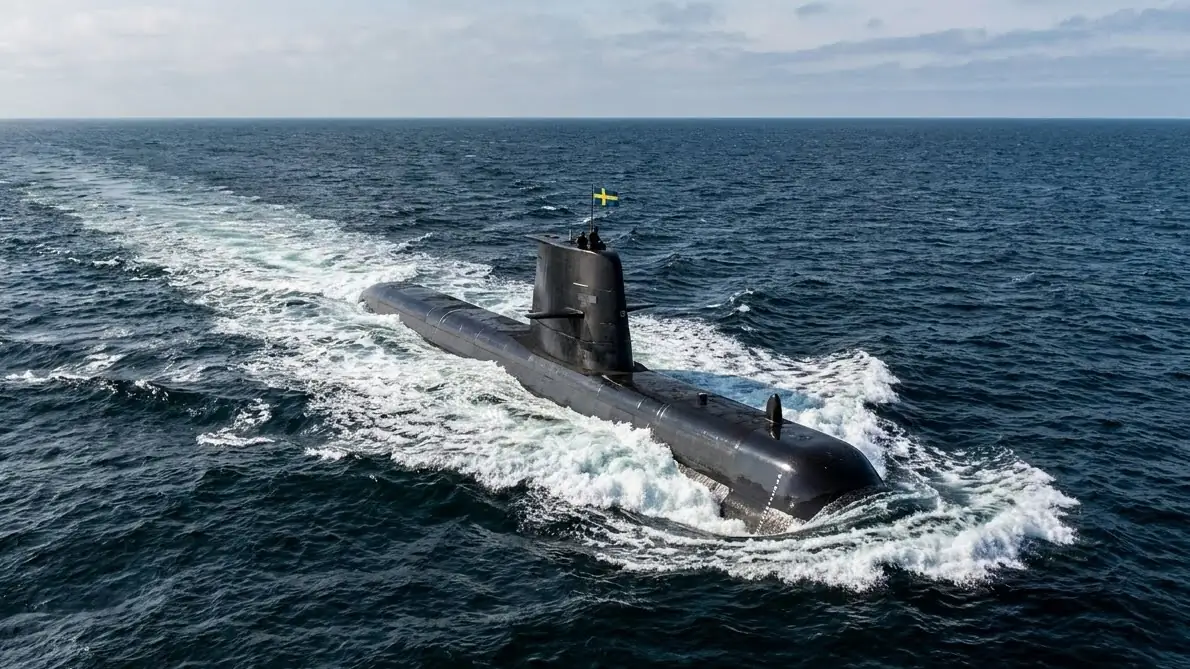
The first time the US Navy “lost” to a tiny Swedish submarine during war games, a few admirals reportedly stared at their screens in disbelief.
Imagine spending billions on a nuclear-powered carrier strike group only to discover that a 200-foot diesel-electric submarine from the Baltic Sea had slipped through your defenses like a shadow in cold water.
That submarine was the Gotland-class Submarine.
And honestly? Its reputation has only grown stranger, and more impressive, with time.
Built by Saab for the Swedish Navy, the Gotland-class wasn’t designed to dominate oceans in the Hollywood sense. It wasn’t made for globe-spanning missions like America’s nuclear submarines. Instead, it was engineered for something far more difficult: disappearing.
In the cramped, rocky waters of the Baltic Sea, stealth matters more than brute force. A submarine that can stay underwater longer, move quietly, and lurk near enemy vessels without being detected becomes terrifyingly effective. That’s where the Gotland-class changed naval warfare forever.
The class became the world’s first operational submarine series equipped with air-independent propulsion (AIP) using Stirling engines, a technology that allowed it to remain submerged for weeks rather than days. At the time, many naval analysts saw this as a niche Scandinavian experiment. They were wrong.
Today, the Gotland-class submarine is studied by defense planners everywhere from Washington to Tokyo because it exposed a hard truth: smaller, stealthier submarines can threaten even the most advanced fleets on Earth.
And oddly enough, that’s what makes this Swedish submarine so fascinating. It doesn’t look intimidating. It doesn’t announce itself. It simply vanishes.
What Is the Gotland-class Submarine?
The Gotland-class submarine belongs to a rare category of military machines that quietly rewrote the rules without much public drama. No flashy unveiling. No giant propaganda campaign. Just three compact Swedish submarines entering service in the 1990s, and forcing naval powers to rethink underwater warfare almost overnight.
Developed under Sweden’s A19 submarine program, the Gotland-class was designed for a very specific environment: the Baltic Sea. That matters more than it sounds.
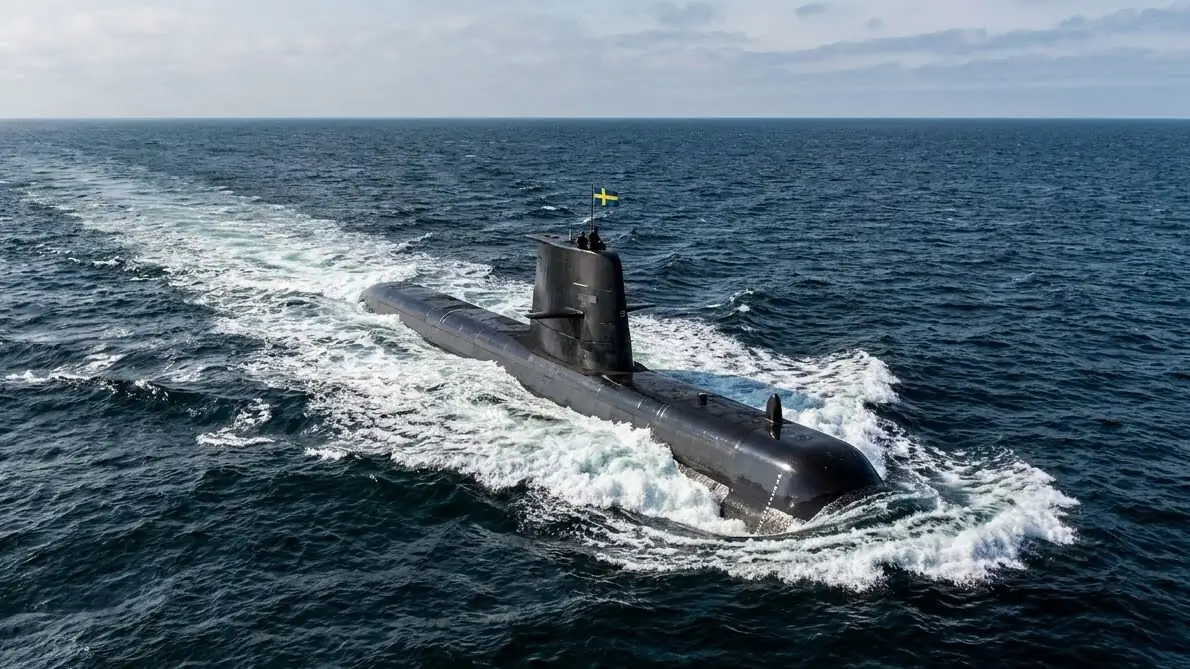
The Baltic isn’t the deep open Atlantic where massive nuclear submarines roam freely. It’s shallow, cluttered, icy in places, and acoustically messy. A nightmare for sonar operators. Sweden needed submarines that could weave through narrow passages, hug the seafloor, and ambush enemy ships without warning.
So Swedish engineers did something clever. Instead of building bigger submarines with more firepower, they focused obsessively on silence.
The result was a diesel-electric attack submarine that looked modest on paper but behaved like a ghost underwater.
Constructed by Kockums, now part of Saab, the Gotland-class introduced operational Stirling air-independent propulsion (AIP) to the world. That innovation allowed the submarine to remain submerged dramatically longer than conventional diesel-electric boats, which usually need to surface or snorkel frequently for air.
The class consists of three submarines:
| Submarine | Commissioned | Status |
| HMS Gotland | 1996 | Active |
| HMS Uppland | 1997 | Active |
| HMS Halland | 1997 | Active |
At roughly 60 meters long with a crew of about 25, these submarines are relatively small. But that compact size is part of the trick. Smaller hulls produce less noise, lower magnetic signatures, and better maneuverability in confined waters.
You could almost think of the Gotland-class as the underwater equivalent of a stealthy street fighter, lean, patient, difficult to track, and surprisingly dangerous when ignored.
Gotland-class Submarine Specifications
On paper, the Gotland-class submarine doesn’t look overwhelming. In fact, if you compare it to gigantic nuclear submarines from the United States or Russia, it almost seems… modest. Smaller crew. Smaller displacement. Shorter range. But submarine warfare has always been a game where raw size can become a disadvantage. Quietness wins. Precision wins. Patience wins.
And the Gotland-class was engineered around exactly those ideas.
Here’s a closer look at the numbers behind Sweden’s underwater stealth platform:
| Specification | Gotland-class Submarine |
| Length | 60.4 meters |
| Beam | 6.2 meters |
| Draft | 5.6 meters |
| Submerged Displacement | Approx. 1,600 tons |
| Crew | Around 25 personnel |
| Top Speed | 20+ knots submerged |
| Propulsion | Diesel-electric + Stirling AIP |
| Operational Range | ~6,500 nautical miles |
| Armament | Torpedoes and naval mines |
The real magic sits inside the propulsion system.
Unlike traditional diesel-electric submarines that must regularly snorkel for oxygen, the Gotland-class A19 submarine uses Stirling engines for air-independent propulsion. That means it can stay underwater for weeks while producing extremely low acoustic signatures. In practical terms? Enemy sonar operators may hear absolutely nothing until it’s far too late.
Read also: What Makes Virginia-Class Submarines So Powerful?
Another underrated feature is automation. Swedish designers intentionally reduced crew requirements through advanced onboard systems. Fewer sailors means lower life-support demands, less onboard noise, and more usable space for combat systems. Tiny efficiencies add up underwater.
There’s also the X-shaped stern rudder configuration, a distinctly Scandinavian touch. It improves maneuverability in shallow coastal waters and lets the submarine operate close to the seabed where larger submarines struggle.
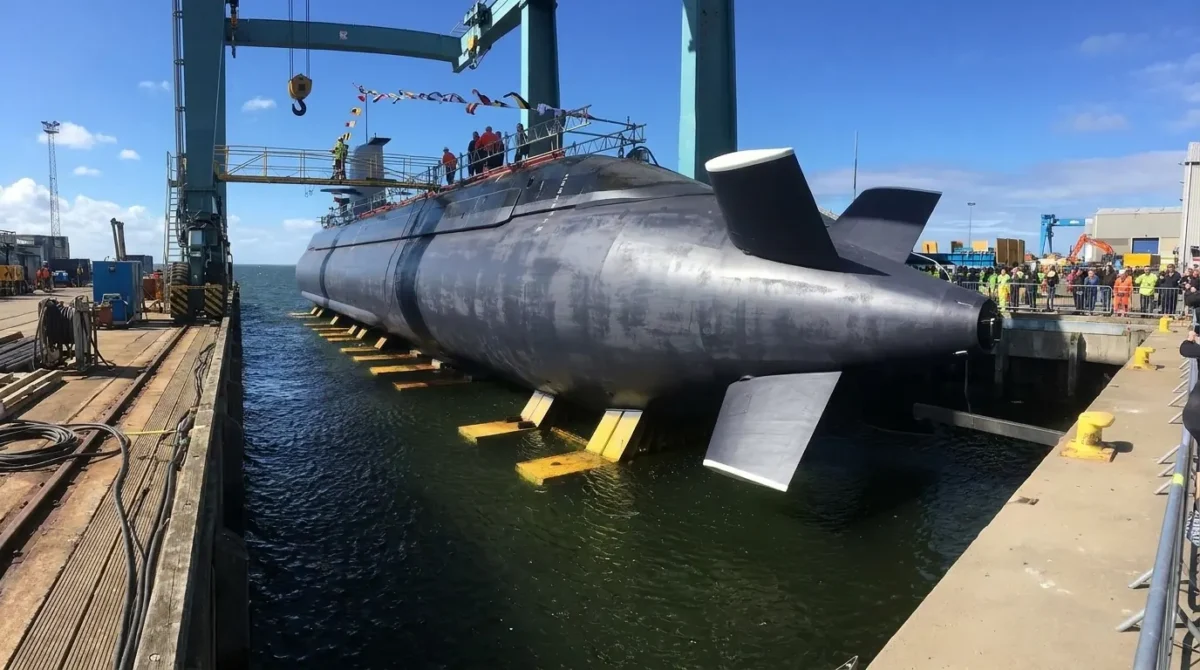
Oddly enough, the Gotland-class almost behaves less like a traditional blue-water submarine and more like an underwater ambush predator. It hides. Waits. Tracks movement silently. Then disappears again before anyone can pinpoint where it came from.
That combination of stealth, endurance, and maneuverability is why naval analysts still talk about this submarine nearly three decades after its introduction.
How Air-Independent Propulsion (AIP) Changed Submarine Warfare
For decades, conventional submarines shared the same frustrating weakness: eventually, they had to come up for air.
Not fully surface, necessarily, but close enough to use a snorkel mast and pull oxygen into their diesel engines. That brief moment created danger. Radar could spot them. Infrared systems could detect heat. Aircraft and warships suddenly had a chance to hunt them down.
Then the Gotland-class submarine arrived and quietly bent the rules.
Its breakthrough came from something that sounds oddly old-fashioned: the Stirling engine. Invented in the 1800s, the Stirling design uses external heat rather than internal combustion.
Swedish engineers adapted this technology into a modern air-independent propulsion (AIP) system that allowed submarines to generate power underwater without constantly needing atmospheric oxygen.
And that changed everything.
Instead of snorkeling every few days, the Gotland-class AIP submarine could remain submerged for weeks at low speeds. In naval warfare, endurance equals survivability. The less a submarine exposes itself, the harder it becomes to track, classify, or destroy.
Here’s a simplified comparison:
| Feature | Conventional Diesel-Electric | Gotland-class AIP |
| Frequent Snorkeling | Yes | Rarely |
| Underwater Endurance | Few days | Several weeks |
| Acoustic Signature | Low | Extremely low |
| Detection Risk | Moderate | Very difficult |
But here’s the interesting part many articles skip: AIP isn’t about speed. Nuclear submarines are still faster and can stay underwater far longer. The Gotland-class instead optimized for stealth during slow patrol operations, the kind of missions common in narrow coastal seas like the Baltic.
Think of it this way. A nuclear submarine is a marathon runner with endless stamina. The Gotland-class is a motionless hunter hiding in tall grass.
That distinction matters.
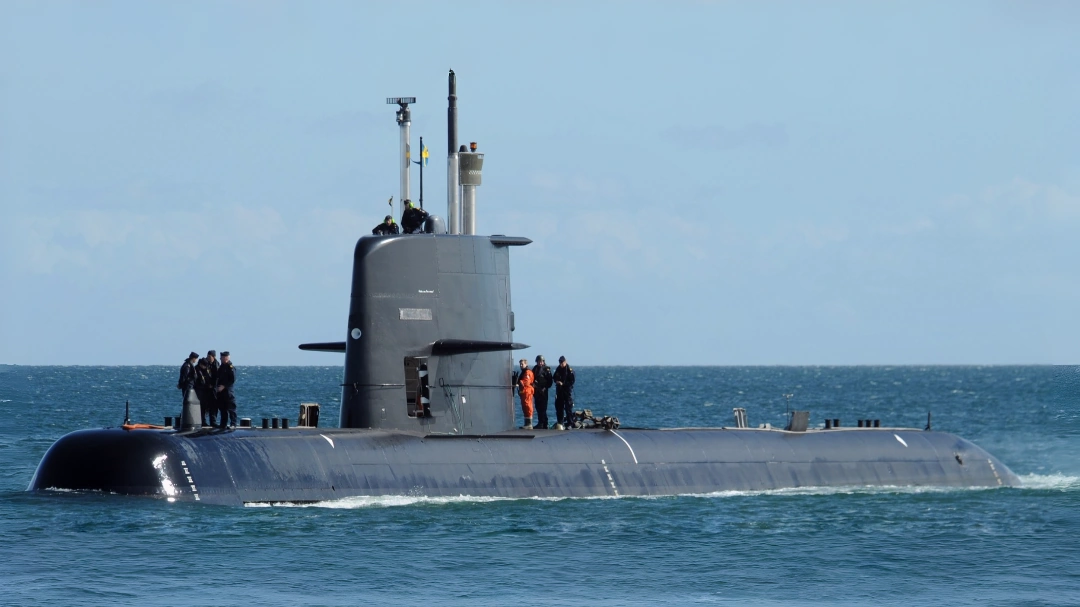
During naval exercises, the submarine’s ability to stay underwater silently for extended periods made it incredibly difficult for opposing fleets to detect.
Even advanced anti-submarine warfare systems struggled. Some American officers later admitted that tracking ultra-quiet diesel-electric submarines in coastal waters was much harder than expected.
Which, frankly, was a little unsettling for everyone involved.
Why the Gotland-class Submarine Is So Difficult to Detect
Most people imagine submarines hiding in deep black ocean trenches, creeping silently through endless water. The reality is stranger, and much noisier. Oceans are full of sound. Cargo ships rumble. Fish swarms distort sonar. Waves crash. Even temperature layers bend acoustic signals in weird directions.
The Gotland-class submarine was built to exploit that chaos.
Sweden’s engineers obsessed over one central idea: reducing every possible signature the submarine produced. Not just engine noise. Everything. Vibrations. Magnetic emissions. Hydrodynamic turbulence. Tiny mechanical sounds most people would never think about.
The result became one of the quietest operational submarines ever constructed.
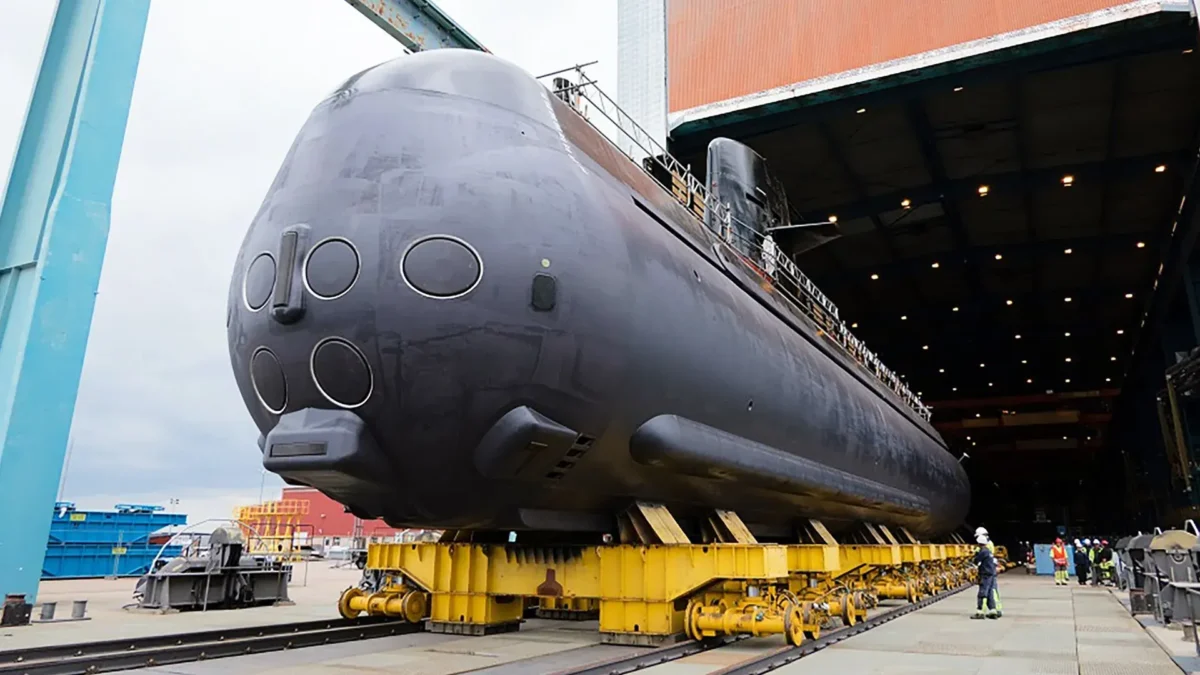
Inside the submarine, machinery is mounted on vibration-dampening platforms to prevent sound from traveling through the hull. The propeller is specially designed to minimize cavitation, the tiny bubbles that form underwater and create detectable noise. Even small details, like internal pumps and rotating equipment, were engineered for silence.
Then there’s the hull itself.
Read also: Russian Kilo-Class Submarine: What Makes It So Deadly
The Gotland-class A19 submarine uses sound-absorbing materials that help scatter active sonar waves rather than reflecting them directly back to enemy systems. Combined with its compact size, the submarine becomes incredibly hard to classify underwater.
Its famous X-shaped rudder also deserves attention. At first glance, it looks unconventional, almost experimental. But it gives the submarine remarkable maneuverability in shallow coastal waters. The Baltic Sea is packed with narrow channels, rocky seabeds, and difficult terrain where larger submarines struggle to operate efficiently.
Here’s where things get especially interesting:
| Stealth Feature | Tactical Benefit |
| Stirling AIP system | Reduced snorkeling |
| Rubber-mounted machinery | Lower vibration noise |
| Sound-absorbing hull coatings | Reduced sonar reflection |
| X-rudder configuration | Superior shallow-water handling |
| Small hull size | Lower acoustic signature |
Some naval analysts compare the Gotland-class to a sniper rather than a battleship. It doesn’t overpower opponents through force. It wins by staying invisible long enough to choose the perfect moment to strike.
And honestly, that idea unsettled larger navies more than any missile system ever could.
Weapons and Combat Capabilities of the Gotland-class Submarine
The stealth of the Gotland-class submarine gets most of the headlines, but stealth alone doesn’t win naval engagements. A submarine still needs teeth. And despite its relatively compact size, the Gotland-class carries enough firepower to make even heavily defended warships nervous.
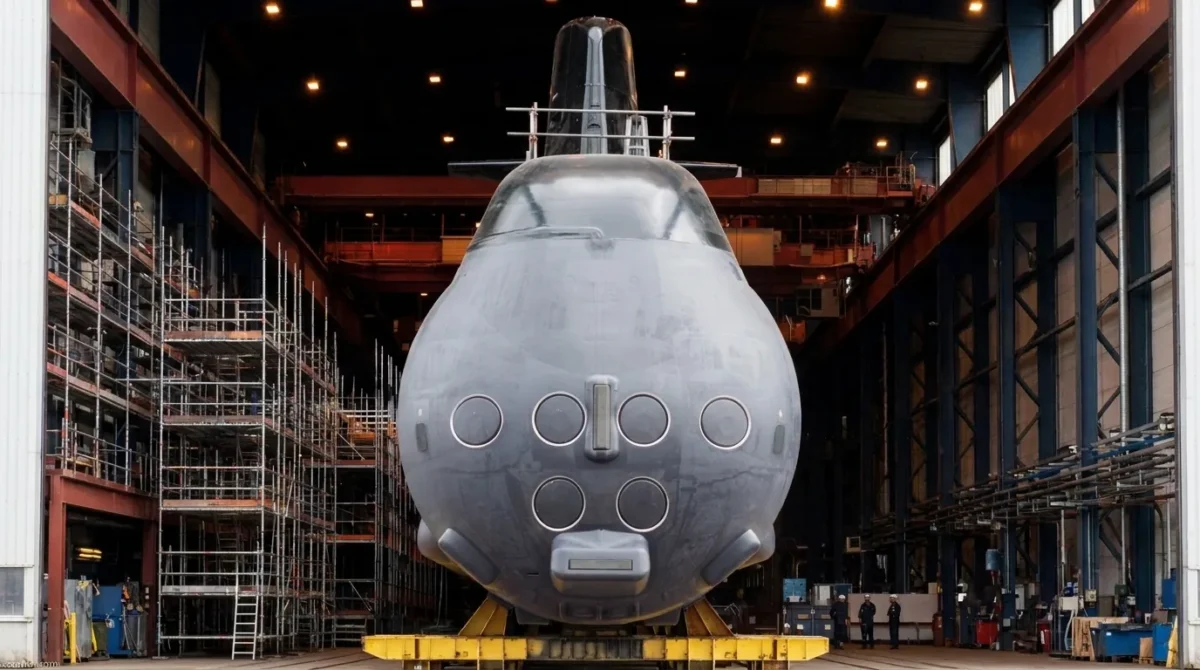
Sweden designed these submarines primarily for coastal defense and sea denial missions. That means the goal isn’t necessarily to destroy entire fleets head-on.
Instead, the submarine lurks in contested waters, threatens enemy shipping routes, gathers intelligence, and forces hostile navies to move cautiously. A hidden submarine changes how every captain behaves nearby.
The Gotland-class is armed with a mix of heavyweight and lightweight torpedoes launched through multiple torpedo tubes:
| Weapon Type | Purpose |
| 533 mm torpedoes | Anti-ship and anti-submarine warfare |
| 400 mm torpedoes | Coastal defense and smaller targets |
| Naval mines | Area denial and chokepoint control |
The heavyweight torpedoes are the real danger. Fired from concealed underwater positions, they can target surface ships or enemy submarines with devastating precision. In narrow seas like the Baltic, where maneuvering room is limited, even a single hidden submarine becomes a major strategic threat.
But what’s fascinating is how the Gotland-class A19 submarine blends traditional weapons with modern intelligence gathering.
These submarines are equipped for surveillance and reconnaissance missions, including electronic intelligence (ELINT) and signals intelligence (SIGINT). In practice, that means they can quietly monitor radar emissions, communications traffic, and naval movements while remaining difficult to detect.
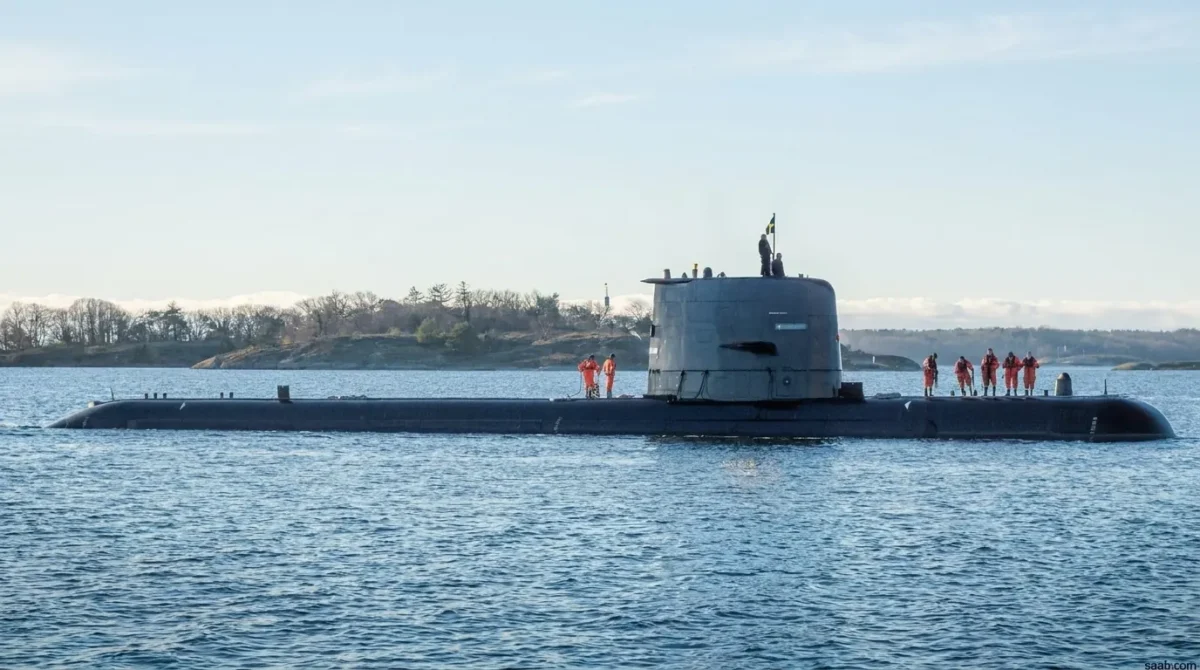
There’s also a special operations angle that often gets overlooked. The submarine’s shallow-water agility makes it useful for deploying reconnaissance teams or supporting covert maritime operations near coastlines.
And unlike giant nuclear submarines built for global deployment, the Gotland-class feels purpose-built for ambush warfare. Tight waterways. Crowded coastlines. Harsh northern seas. That’s its environment.
It’s less of an underwater sledgehammer and more like a concealed switchblade, compact, precise, and surprisingly dangerous when nobody sees it coming.
Modernization and Mid-Life Upgrades
One of the more surprising things about the Gotland-class submarine is that it never really became obsolete in the way many Cold War-era submarines did. In fact, Sweden kept upgrading the platform so aggressively that parts of the submarine today are dramatically more advanced than the original 1990s design.
That says a lot about how solid the original engineering was.
Around the mid-2010s, Sweden launched extensive modernization programs for HMS Gotland, HMS Uppland, and HMS Halland. These weren’t cosmetic tweaks. Sections of the submarines were literally cut open and rebuilt to integrate technologies intended for Sweden’s next-generation Blekinge-class (A26) submarines.
Which is kind of wild when you picture it, surgically extending the life of a stealth submarine while borrowing systems from the future.
The upgrades focused heavily on sensors, survivability, and combat systems:
| Upgrade Area | Improvement |
| Sonar systems | Better underwater detection |
| Combat management | Faster tactical processing |
| Stirling AIP engines | Improved endurance |
| Navigation systems | Enhanced shallow-water operations |
| Signature reduction | Lower detectability |
One especially important change involved updated electronic warfare systems. Modern naval combat increasingly depends on information dominance, detecting threats first, processing data faster, and remaining electronically invisible as long as possible. Sweden understood that early.
The modernization also extended operational life well into the 2030s, allowing the Gotland-class AIP submarine fleet to remain relevant during a period of growing tension in Northern Europe and the Baltic region.
And geopolitics shifted dramatically while these upgrades were happening.
As NATO increased its focus on Baltic security and Russian submarine activity gained attention again, Sweden’s quiet underwater fleet suddenly looked extremely valuable. Small stealth submarines capable of operating near contested coastlines became strategically important once more.
There’s an irony there. The Gotland-class was originally built for a regional defense strategy after the Cold War. Decades later, the same submarines found themselves relevant again because great-power naval competition returned.
History has a habit of circling back like that.
