

He was the king of Ithaca and a combat veteran of repute who was the anti-hero of Homer’s Odyssey and a con artist “insatiate of deceit” whose trials of the heart in coming home would mirror those of many veterans 3,000 years later.
For Jonathan Shay, author of Odysseus in America: Combat Trauma and the Trials of Homecoming, the 10 years of wanderings on a perilous sea as Odysseus took the really, really long way home could be seen as an “allegory for the real problems of combat veterans returning to civilian society.”
Shay, a psychiatrist at the Boston VA Medical Center, wrote that “Time and again, Odysseus shows himself as a man who does not trust anyone, a man whose capacity for social trust has been destroyed. This is the central problem facing the most severely injured Vietnam veterans.”
Shay connected the trials of Odysseus in returning to Ithaca to the recurring patterns he observed in his clinical practice with combat veterans — patterns of homelessness, explosive violence, mistrust of anyone other than combat veterans, substance abuse, a fixation on grievances and a “deep suspicion of others’ motives.”
“Odysseus stands for the veterans but as a deeply flawed military leader himself, he also stands for the destroyers of trust. Homer’s Odysseus sheds light, not always flattering light, on today’s veterans and military leaders,” Shay wrote.
For 10 years, Odysseus would remain the artful dodger through the harrowing journey back to Ithaca, where the conflicting traits of Odysseus’ character — war hero and war criminal, master strategist and liar only contribute to his charisma as the “master of cool,” according to Elizabeth Samet, the West Point literature professor and author of No Man’s Land.
Samet draws a similar parallel for modern-day veterans and the difficult journey home.
In a 2007 Book Browse Author interview, Samet called Odysseus her favorite hero in all literature — “He never bores you with his twists and turns, and he outfoxes everyone. Odysseus has restraint, but he can also lose his composure on occasion. He is an epic hero yet somehow a recognizably human creature.”
For Shay, the parallels between Odysseus and modern-day veterans are all too clear.
“I see the adventure with the Cyclops as an emblem for combat veterans’ attraction to danger, an attraction that has cost so many of them their lives after returning home, and tortured those who love them with untold hours of fear for their safety,” Shay wrote.
The Odyssey has survived and endured while so many other oral epics were lost “in no small part because it was — and still remains — the work of literature most seriously engaged with the question of how to reintegrate a damaged, troubled soldier back into civilian life,” according to Shay.
Shay has been credited with introducing the concept of “moral injury” that has been experienced by combat veterans. Shay described moral injury as “the profound psychological and spiritual damage experienced by combat veterans when fundamental moral codes are violated.”
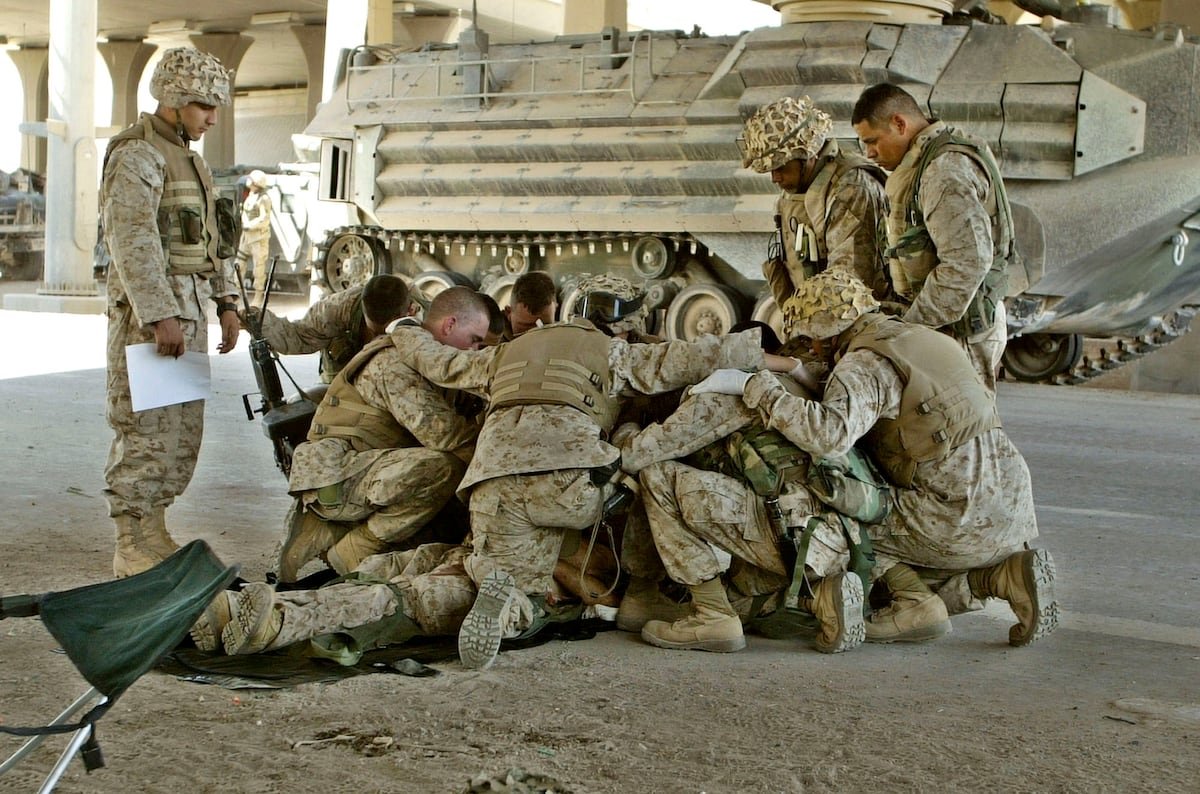
Perhaps Shay’s most crucial insight stems from his conviction that psychologically wounded soldiers can be best healed by sharing their stories with other veterans. “For veterans, recovery from their psychological injuries best happens in the community of other veterans,” he said in an August 2009 interview with Metro West Daily News.
As a result of his work and that of others, moral injury has increasingly been recognized as a signature wound of service members who fought in Operation Enduring Freedom and Operation Iraqi Freedom following the 9/11 attacks.
In response to the work of Shay and others on PTSD, Military.com reported in 2023 that the Department of Veterans Affairs had begun “the first-ever large-scale population study of moral injury to be conducted among veterans of the post-9/11 wars.”
The main result of the study was the development of the “Moral Injury and Distress Scale (MIDS),” which the VA called “the first measure to assess moral injury symptoms indexed to a specific event and validated across several high-risk populations.”
MIDS was “being adopted throughout VA as a tool for identifying veterans with moral injury,” described as “the distressing psychological, behavioral, social, and sometimes spiritual aftermath of witnessing, failing to prevent, or participating in events that contradict one’s deeply held values and beliefs,” according to a March 2025 release from VA Health Systems Research.
In his chapter of the book titled Among the Dead: Memory and Guilt, Shay dealt with the concept of “survivors’ guilt” and contrasted Odysseus’s haunted memories with the profound “survivor’s guilt” experienced by modern soldiers over the loss of comrades as they second-guess choices that led to the deaths of their friends.
But the poet of the Odyssey, perhaps, put it best in describing the grief of Odysseus’ crew following their losses in the battle of Ismarus:
“Six benches were left empty in every ship that evening when we pulled away from death. And this new grief we bore with us to sea: our previous lives we had but not our friends. No ship made sail next day until some shipmate had raised a cry, three times, for each poor ghost unfleshed. Then two long days and nights we lay offshore worn out and sick at heart, tasting our grief.”
