

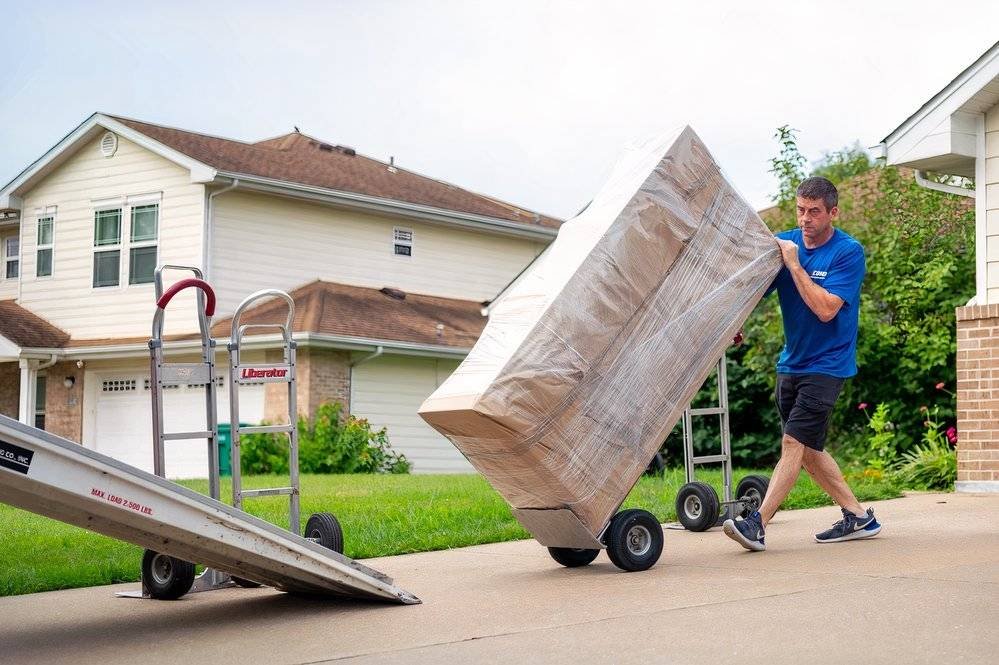
Permanent Change of Station (PCS) season often brings its share of anxiety as military families try to navigate a long to-do list before making the big move.
Hidden “junk” fees for travel expenses shouldn’t be one of them, but the reality is most families are unaware of them and don’t realize the federal government sometimes doesn’t offer reimbursements to cover them.
But Lt. Col. (Ret.) Durward Johnson believes there are ways to work around those fees. Johnson, a former judge advocate general, has served as an attorney for more than 20 years. He recently launched BreckenWander, an online travel booking site, and has several tips to share to help families have a less stressful PCS season.
Johnson knows the stress of moving firsthand. He relocated his family 10 times while serving in the Army for more than two decades.
“Hidden “junk fees” are travelers’ top booking frustration, and they hit military families harder than civilians,” Johnson told Military.com.
Junk fees often relate to drip pricing. For example, an online booking site will show a low room rate in its headline to attract buyers. The buyer books the room, lodges there, and then discovers mandatory charges at checkout, such as resort, destination, amenity and service fees.
“They’re not optional and not taxes,” Johnson said. “(Those charges) are revenue dressed up as a line item.”
Factors That Raise Expenses
On May 12, 2025, a Federal Trade Commission (FTC) ruling on unfair or deceptive fees for travel booking went into effect. The law requires businesses advertising short-term lodging at hotels, motels, inns, vacation rentals and Airbnb/VRBO deals, along with live event tickets, to display the total price, including all mandatory fees, on the bill upfront, so consumers aren’t confused or surprised.
“The rule covers lodging and event tickets. It does not cover airfare or rental car fees,” Johnson said. “So, a big slice of a PCS or leave trip is still unprotected. For a civilian, a surprise resort fee is an annoyance. For a military family, it’s often money the government won’t give back because of how travel entitlements work.”
Johnson cites several factors affecting PCS moves:
- PCS en-route lodging is reimbursed only up to a flat cap. For fiscal year 2026, the Standard CONUS (Continental United States) rate is $110/night lodging + $68 for meals and incidentals (max per diem $178), with dependents reimbursed at a percentage (75% for age 12 and older, 50% under 12). A mid-priced hotel plus a $30 “destination fee” sails past $110 — and the overage is the family’s cost to cover.
- TLE (temporary lodging at the old/new base) is capped at $290/day (about 10 days, CONUS). “Mandatory fees count toward that ceiling, so they push you over, and you eat the excess,” Johnson said.
- Resort/service fees are reimbursable only if pre-authorized on the orders. Under the Joint Travel Regulations, fees like resort, tourism and service charges can be reimbursed only as a “miscellaneous” expense and only if the authorizing official listed them on the travel order before travel. “PCS orders almost never itemize a hotel’s surprise resort fee in advance, so in practice it’s not reimbursable,” Johnson said.
- On leave, there’s no per diem at all. Every hidden fee is 100% out of pocket.
But Johnson also pointed out ways to spot these annoying junk fees, such as getting the all-in total for costs before you compare prices.
“The only number that matters is what posts to your card,” Johnson said. “Taxes and mandatory fees included. If a site doesn’t show it upfront, that’s now a red flag.”
Get It In Writing

Other tips include:
- Pre-authorize reimbursable fees. Before you travel, ask your transportation/finance office to list anticipated resort/destination fees on the orders. If it’s unlisted, you’ll likely have to cover the cost.
- Ask the hotel to waive or itemize the fee. Many properties waive resort/destination fees for government travelers or longer stays. Make sure to ask and get it in writing.
- Keep itemized receipts (daily room rate, taxes and each fee on its own line). This is required for any reimbursement and to dispute a charge.
- Book under the cap. PCS en-route lodging reimburses up to $110/night; TLE up to $290/day. Staying under that amount leaves room, so a fee doesn’t push you out of pocket.
- On leave travel, all-in pricing is pure savings as there’s no reimbursement, so a tool that shows the true total before you book is worth the most.
- Report undisclosed mandatory lodging fees. File with the FTC and your state attorney general.
“The fee that ruins a PCS budget is the one nobody put on the orders,” Johnson said. “Get it authorized before you travel or assume you’re paying it yourself.”
Having moved his family to a new duty station every two years within 20 years of serving, Johnson knows frequent moves can rattle the nerves. However, he feels the more educated families are about hidden fees, the better prepared they will be to have a relatively seamless relocation.
“I spent 20 years reading other people’s fine print. The lesson is simple: if a price needs fine print to be true, it isn’t the price,” Johnson said.
