

The Trump administration’s losses keep piling up in grievance cases over its return to office and telework policies for union employees.
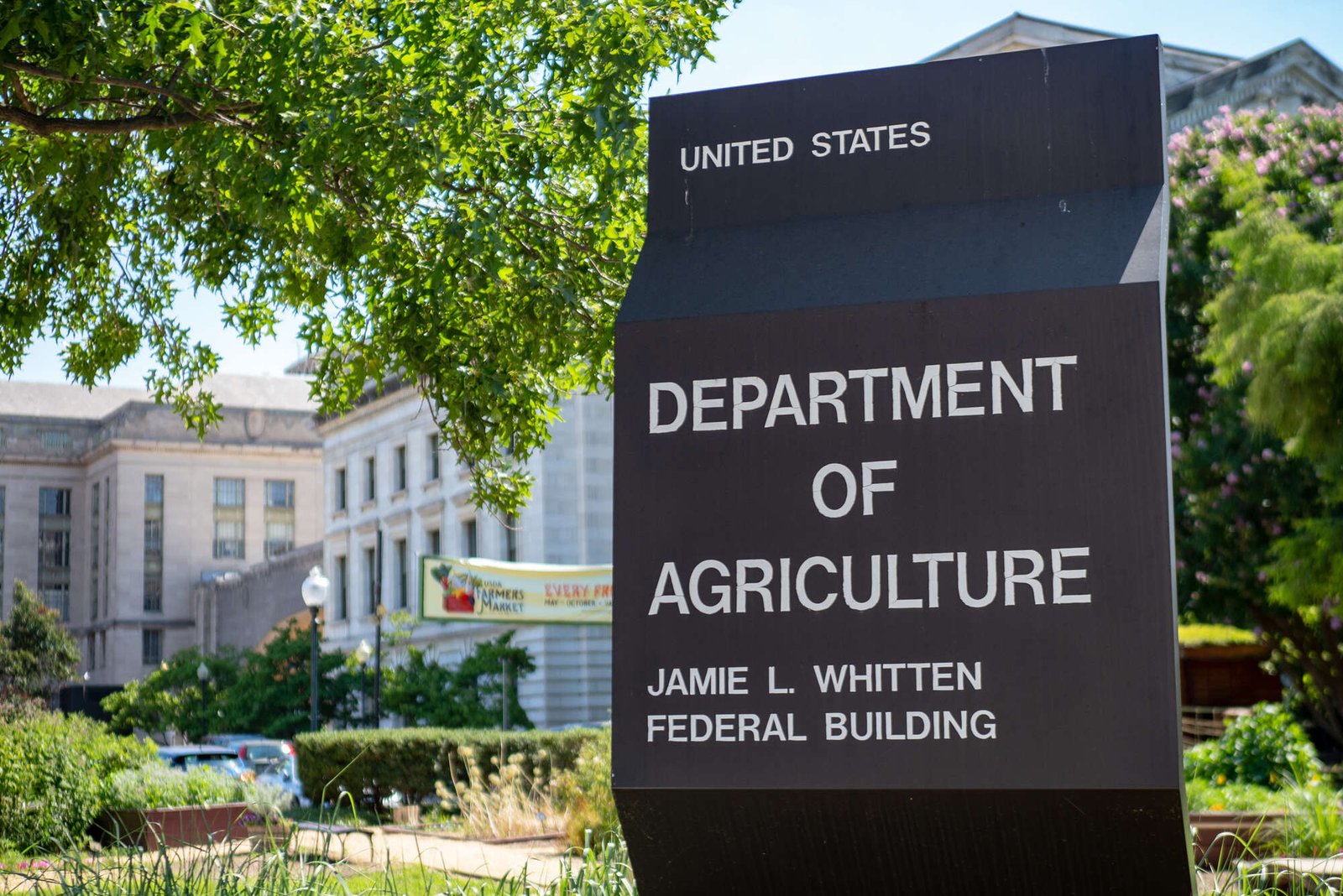
The latest loss came earlier this week when an arbitrator ruled that the Agriculture Department violated its collective bargaining agreement and committed unfair labor practices when it ended its telework and mandated Rural Development Agency employees represented by the American Federation of State, County and Municipal Employees (AFSCME) return to the office without negotiating the terms first.
Margaret Donaghy, the arbitrator in this case, found USDA “committed unfair labor practices (ULPs) when it engaged in bad faith bargaining and implemented a rule that conflicted with the existing agreement. The nature and scope of the agency’s breaches amounted to a repudiation of the agreement.” The agency changed the remote work and telework agreements for 135 employees, 46 of which required remote work as a condition of employment.
This arbitrator ruling on Aug. 19 is at least the 12th grievance that the Trump administration has lost over the last year. Suzanne Summerlin, the attorney for AFSCME, said different arbitrators have ruled in favor of grievances from the IRS, the departments of Health and Human Services and Housing and Urban Development, the Social Security Administration, the Environmental Protection Agency and the Forest Service.
“The arbitrator points out in this new decision that nothing the agency argued hasn’t already been argued in other cases and none of it was convincing. The arbitrator is aligning with same opinions from earlier cases,” Summerlin said. “That fact is very illuminating because it seems like a dozen different arbitrators have come to same decision on these cases. Everyone who has a neutral eye and any background in federal labor law could look at this process and say this is wrong and the administration screwed this up from the beginning. It doesn’t matter what agency, the marching orders the agencies received were the same from the administration.”
The administration has come out on top in at least three other cases, including one case that became public today, which is related to a grievance filed by the American Federation of Government Employees Local 3313, whose members work for the Transportation Department’s Federal Motor Carrier Safety Administration (FMCSA).
Emails to USDA seeking comment on the arbitrator’s decision weren’t returned.
The return-to-office requirements came in response to President Donald Trump’s day-one executive order instructing agencies to cancel all telework and remote work agreements, “consistent with applicable law.”
USDA told to restore telework agreements
Summerlin said the fact the arbitrator called the USDA’s actions an act of “repudiation” to the collective bargaining agreement was surprising.
“That’s a pretty tough standard to achieve and arbitrators usually are hesitant to find that,” she said. “But she is basically saying USDA ripped up the contract and set it on fire. She, and other arbitrators, have found this violation is egregious in the way the agency handled the return to office.”
Donaghy ruled that USDA must restore telework and remote work agreements that were in effect as of April 22 and April 28, 2025, as well as begin negotiations to change the collective bargaining agreement around return to office and telework requirements.
She also said USDA must reimburse employees under the Back Pay Act and the Travel Expense Act for costs incurred over the last 18 months.
Summerlin said AFSCME’s contract included specific language that would require the agency to pay for certain costs like tolls and other transportation costs should they mandate a return to office.
“Employees will have to show receipts or affirm what their costs were and seek reimbursements from agency,” she said. “This is not the case for all of these folks who have won similar cases like this one. It’s highly dependent on what’s in the contract.”
Summerlin said Donaghy’s decision is an important win for USDA employees, but the case is far from settled. Agencies have 30 days to file an exception with the Federal Labor Relations Board after an arbitrator ruling. She said the case could still end up in federal court and could go on for several more years.
“That is extreme idea that unions keep winning as it shows just how egregious and badly this return to office requirement was done. It was mismanaged top to bottom,” she said. “It is causing a bigger headache for federal workers, agency managers and the taxpayers because the agency didn’t follow the rules and wasted time and money by not doing this the right way. It would’ve been a shorter negotiation with union on changing the agreements than these lawsuits.”
FMCSA loses on technicality
As for the FMCSA grievance, the arbitrator dismissed the case based on a procedural issue.
“The arbitrator’s dismissal stems from a procedural bar created by the overlap between a previously filed March 5, 2025, Unfair Labor Practice (ULP) and the union’s grievance filed on March 21, 2025. Our former President, Eugene Johnson, intended for these two filings to address different legal aspects of the dispute. However, the arbitrator concluded that the prior ULP filing prevented consideration of the subsequent grievance on its merits,” wrote Jennifer Rodes, president, AFGE Local 3313, in a memo obtained by Federal News Network. “The outcome is deeply frustrating because our position remains that our members deserved to have the agency’s actions challenged and that our case was strong enough to prevail. Therefore, having the matter decided on a technicality rather than the actual fairness of the telework policy or the violation of the Master Labor Agreement is a significant disappointment.”
Jones said AFGE Local 3313 is reviewing its internal processes in order to strengthen their strategic approach to ensure it is better positioned for all upcoming labor matters.
AFGE remains involved in 18 separate lawsuits challenging the Trump administration’s actions ranging from terminating collective bargaining agreements to USDA reorganization efforts to the Department of Government Efficiency’s access to federal records.
Copyright
© 2026 Federal News Network. All rights reserved. This website is not intended for users located within the European Economic Area.
