

By investing in these technologies today, we can build a defense ecosystem that protects people who serve while delivering the capabilities needed for tomorrow.
Recent events have once again underscored a difficult reality of modern military operations: Some of the most important missions are also among the most dangerous.
Whether delivering supplies between ships, supporting forward operating positions, conducting search and rescue operations, or moving critical equipment in contested environments, service members and federal personnel are often placed in situations where the mission itself creates significant risk. While risk will always be part of military service, advancements in technology now provide an opportunity to rethink how we approach these missions.
This opportunity means that the future of defense logistics must prioritize keeping people out of unnecessary danger while ensuring forces remain agile, responsive and effective.
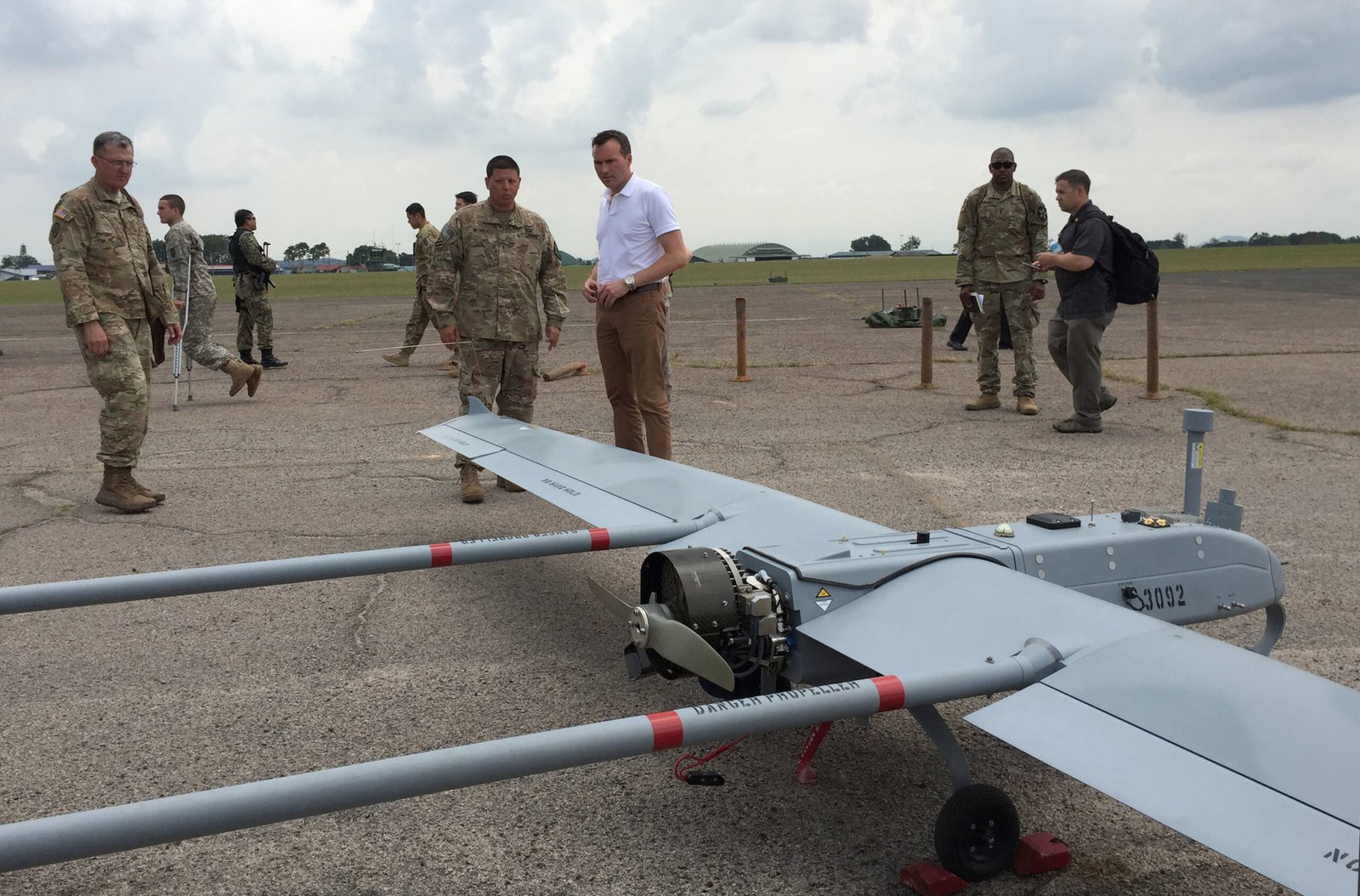
The evolution of warfare over the past several years has demonstrated that unmanned systems are no longer a niche capability; they are becoming a defining element of modern conflict. The war in Ukraine has highlighted how rapidly drones can transform the battlefield, with both sides using unmanned systems extensively for intelligence, surveillance and operational missions. Recent conflicts in the Middle East have further demonstrated how relatively low-cost unmanned platforms can influence operations across vast distances and impact critical infrastructure and regional security.
However, one of the biggest limitations preventing drones from fundamentally transforming logistics has been payload capacity. The majority of drones currently deployed around the world are designed for lighter missions, often carrying payloads measured in single digits or tens of pounds. Even many larger commercial and military unmanned systems have historically been limited to payloads around the 100-pound range. This has restricted their ability to replace traditional logistics operations, particularly when moving meaningful quantities of supplies to personnel operating in remote or contested environments.
That limitation is beginning to change.
As autonomous aircraft technology advances, heavier-payload platforms are emerging that can carry substantially greater loads while maintaining the flexibility and lower operating costs that have made smaller drones so valuable. Once heavy-payload autonomous aircraft enter operational environments at scale, the equation for contested logistics will change considerably.
The impact could be profound. Forward-deployed personnel may no longer need to rely solely on traditional resupply methods that require putting additional service members in vulnerable positions. Instead, autonomous aircraft can provide a new layer of logistical capability, moving critical equipment and supplies while reducing unnecessary exposure for the people responsible for delivering them.
This shift is not about replacing people. It is about giving service members better tools and allowing them to focus on missions where human decision-making, judgment and leadership are most valuable.
Recent events, including the Navy’s suspension of its search for a missing sailor following an MH-60 Sea Hawk helicopter incident in the Arabian Sea, serve as reminders that even routine support missions can carry significant risk when conducted in challenging environments. The question facing defense leaders is how technology can reduce that risk while preserving operational effectiveness.
One area where this transformation can have an immediate impact is logistics. Ship-to-ship resupply, for example, remains a complex operation that requires coordination, time and personnel in demanding conditions. Autonomous aircraft can provide new options for moving critical supplies between platforms, reducing reliance on vulnerable transportation routes and increasing operational flexibility.
Importantly, these capabilities no longer require the cost structures traditionally associated with advanced defense systems. Advances in electric propulsion, commercial manufacturing methods, sensors, and autonomous flight systems have dramatically lowered the barriers to deploying capable aircraft at scale. Technologies that once required years of development and enormous budgets can now be adapted more quickly and economically.
This affordability is critical. The future of defense cannot rely solely on a small number of highly specialized assets. Modern conflicts demand distributed capabilities; systems that can be deployed broadly, replaced efficiently, and integrated into existing operations.
For defense leaders, the opportunity is clear: embrace these technologies not only as a way to enhance capability, but as a way to improve safety. The goal should be to create a future where a logistics mission does not automatically require putting someone in the middle of danger.
Autonomous aircraft represent a critical step toward that future. By investing in these technologies today, we can build a defense ecosystem that protects the people who serve while delivering the capabilities needed for tomorrow’s challenges.
Rani Plaut is chief executive officer and co-founder of AIR.
Copyright
© 2026 Federal News Network. All rights reserved. This website is not intended for users located within the European Economic Area.
