

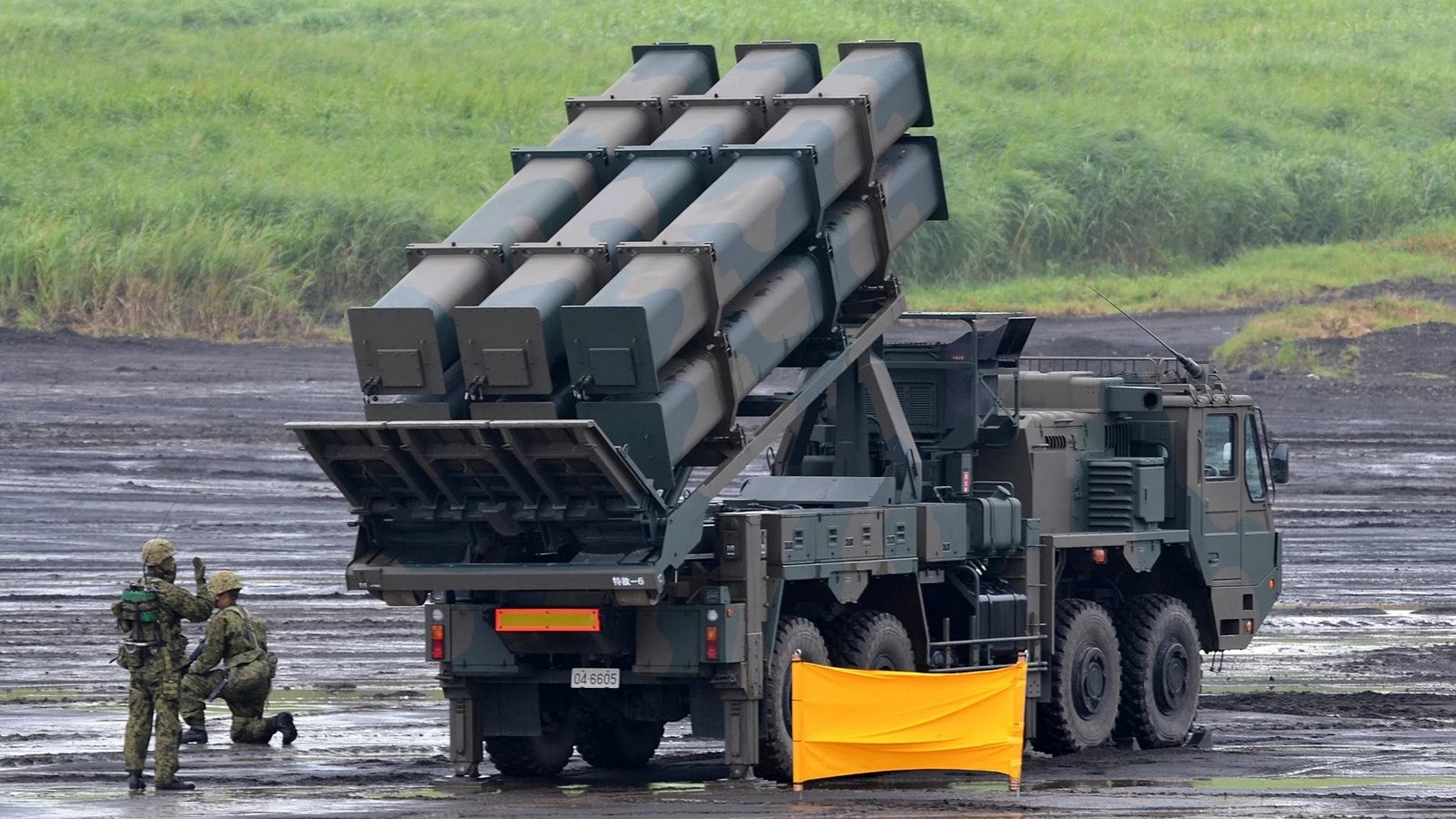
On 21 April, Tokyo announced it was changing rules governing the export of defence items. Under this new policy, Japanese sales of military products and developments will find increased domestic acceptance. This opens the way for exports of items such as warships, missiles and other weapons and equipment.
Previous rules severely restricted or prohibited the export of most military equipment and technologies manufactured and developed in Japan. For decades, this prohibition on overseas arms sales was a key piece of Japan’s post-World War II security policy.
Those regulations emphasised purely self-defence and non-involvement in overseas military operations, and even extended to international peacekeeping. In the past, exports were only permitted for items under the categories of rescue, transport, warning, surveillance and minesweeping.
Now, military exports will be, at least initially, restricted to the 17 countries with which Japan has signed defence technology transfer agreements. Furthermore, sales of lethal weapons will still be banned to countries actively involved in conflicts. In addition, all export requests will undergo strict screening and require approval from the National Security Council.
This new, more open defence export policy complements Japan’s diplomatic efforts to form closer cooperation with other Asia-Pacific countries, including military contacts.
In this respect, countries like the Philippines have favourably endorsed Japan’s new export policy. Philippine Defense Secretary Gilberto Teodoro said in a statement that the change “would provide access to defence articles of the highest quality that would strengthen domestic resilience and contribute to regional stability through deterrence”.
In fact, the Philippines has previously received some nonlethal support from Japan, but a number of other highly capable defence systems would be of interest. The possible provision of some retiring Japanese warships is understood to be high on that list.
Another more immediate project is the Australian government’s signing of a deal with Mitsubishi Heavy Industries on 18 April to deliver three Upgraded Mogami-class frigates. These are the first of eleven warships that Australia will procure.

The new export policy will also strengthen Japan’s defence industrial base. Increasing the quantities of various defence items produced by adding overseas sales – beyond just the needs of Japan’s own forces – will spread the sunk costs of developing new technologies and weapons. It will also contribute to lowering the unit cost of items.
Additionally, having Japanese equipment in use by local defence partner countries offers benefits of commonality between partner forces and shared support and logistics.
Each of these steps enhances mutual defence between Japan and other nations in Asia-Pacific, and they provide a further counter to China’s attempt to expand its regional influence.
by Stephen W. Miller
