

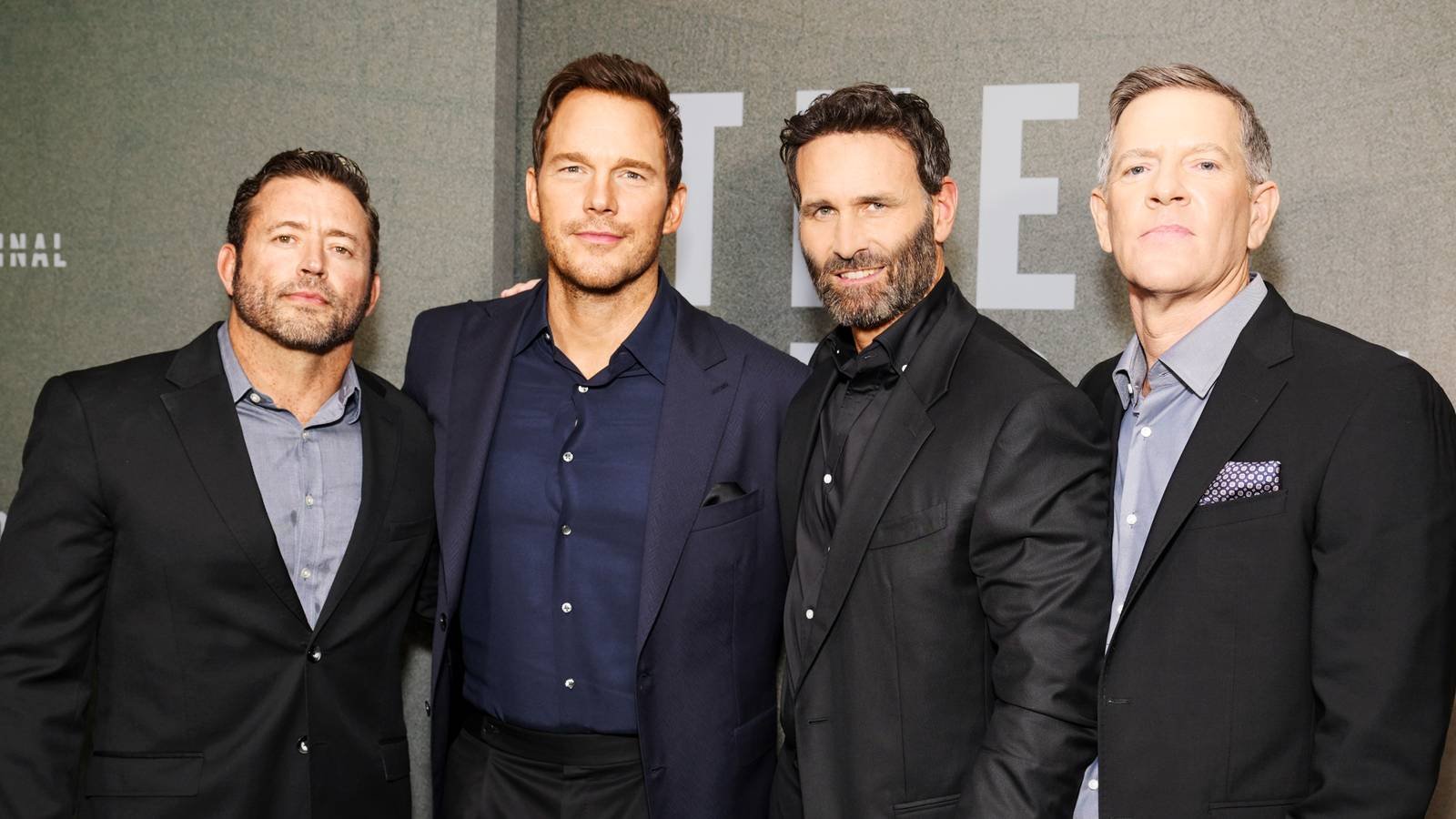
For former Navy SEAL Jared Shaw, filming a sniper sequence for Season 2 of The Terminal List brought back unexpected memories of his time in the military.
Shaw, an executive producer and actor on the Prime Video series, helped bring a scene set in Odesa, Ukraine, to life when the experience stirred memories of his years in uniform. Several former Navy SEALs, including author Jack Carr, whose novels inspired the series, helped develop the sequence.
“For me personally, it hit me in a way that I wasn’t expecting,” Shaw told Military.com during a recent interview alongside Carr and showrunner David DiGilio.
Shaw explained that the experience brought back memories not necessarily connected to the events on screen, but still familiar to those who have served.
It just pulled back from memories and experiences I had in the military that not directly tied into that scene or sequence, but just things that as operators we live with.
Bringing Real Military Experience to the Screen
The sniper sequence is one example of how the creative team behind The Terminal List has relied on veterans to help shape its second season.
According to DiGilio, the Odesa scene evolved considerably from Carr’s original novel as the writers worked with former military snipers to develop the action.
The discussion included Shaw, Carr, and former Navy SEAL Kenny Sheard, who brought their sniper-tactics knowledge into the writers’ room. DiGilio said their conversations helped transform a sequence involving a character positioned on a rooftop into something that could work visually for television.
“They started talking about the tactics of sniper work that, to us, truly sounded like magic,” DiGilio said.
For the show’s writers, those details offered opportunities to build tension and develop the sequence in ways that weren’t necessarily possible on the page. Shaw said the scene became unexpectedly powerful once filming began. He credited Chris Pratt and Gabriel Luna’s performances, along with the sequence’s realism, for bringing out emotions he hadn’t anticipated.
I think the operator community for sure, one way or another, will be able to tap into that as well and feel the weight of that moment.
A Television Episode Shaped by Navy SEALs
The production’s commitment to military authenticity extends beyond having veterans serve as technical advisers.
DiGilio pointed to the Morocco portion of the season’s fifth episode as an example of how extensively former Navy SEALs were involved in the creative process.

That portion was directed by Ray Mendoza, produced by Shaw, written by Sheard and adapted from Carr’s novel.
“We think it’s probably the first time it’s ever happened,” DiGilio said, referring to that combination of military experience and creative responsibilities.
The claim hasn’t been independently verified, but DiGilio said the collaboration was unlike anything he’d seen in his television career.
He explained that the episode had been developed in the writers’ room months before production began. Having Sheard on location in Morocco allowed the writer to continue adjusting the script with input from Shaw and Mendoza as filming progressed.
For Shaw, that level of collaboration is particularly meaningful because it hasn’t always been his experience working in Hollywood.
On previous productions, he said, technical advisers could offer suggestions only to have those recommendations ignored.
“It’s very refreshing to be heard,” Shaw said.
He credited DiGilio and the show’s other producers for creating an environment where veterans could contribute ideas that actually influenced the finished product.
The 80-20 Rule of Military Authenticity
Of course, even a television series filled with former military personnel has to balance realism with entertainment.
Carr said Pratt has a name for the production’s approach: the 80-20 rule.
“Now, Chris Pratt calls it the 80-20 rule, where we have 80% authenticity, 20% Hollywood hot sauce,” Carr said.
That philosophy allows the filmmakers to take creative liberties while preserving the details and behaviors that military audiences might recognize. Carr said the goal extends beyond accurately depicting equipment or tactics.
He believes Pratt’s portrayal also captures the mindset of someone who has served in combat, something veterans of Iraq and Afghanistan may recognize through the character’s mannerisms and reactions.

The approach also means Carr is willing to see his books changed during the adaptation process.
Although he acknowledged that the filmmakers have considerable freedom to depart from his novels, Carr said he enjoys watching the creative team determine which elements translate to television and which require a different approach.
Ultimately, he said, everyone involved wants to deliver a series that respects the audience’s time.
And for Shaw, the unexpected emotions he experienced while filming the Odessa sequence demonstrate what can happen when veterans are given an opportunity to help tell stories informed by their own experiences.
Those details may be fictionalized for television, but the experiences informing them are very real.
